

by JENN WOOD
***
Few stories have gripped Charleston — or the South Carolina bar — quite like the sudden, shocking death of David Aylor. Known as one of South Carolina’s most visible criminal defense attorneys, Aylor built a high-powered practice representing clients ranging from high-profile murder suspects to everyday citizens facing life-altering charges. He also handled civil litigation, appeared frequently in local and national media and was a familiar face in Charleston’s legal and political communities.
When news broke on January 2, 2023 that the 41-year-old had been found dead inside his Lowndes Pointe Drive home, the shock was immediate — and the questions began immediately thereafter. The Charleston County Coroner’s Office ruled Aylor’s death an accidental overdose caused by a lethal combination of fentanyl, clonazepam, diazepam, and alcohol. But in the weeks and months that followed, investigative reports and law enforcement sources painted a more complicated picture — one that raised eyebrows far beyond the Lowcountry.
From the unusual items found in his home — including unlabeled vials, syringes, and a disabled front-door camera — to the federal interest in his phone and a tip connecting his death to a potential fentanyl source, the case has evolved from a tragic loss into an ongoing mystery. Readers continue to contact FITSNews asking for updates, and with good reason: the investigation has expanded to include the U.S. Drug Enforcement Agency (DEA) and the Attorney’s Office (USAO) for the District of South Carolina – and could intersect with other active drug probes in the Southeast.
What follows is a detailed, witness-by-witness account of Aylor’s final hours, based on police narratives, interviews, and evidence logs obtained from a recent Freedom of Information Act (FOIA) request by this news outlet — along with the leads that continue to keep his case on federal investigators’ radar.
***

RELATED | PROMINENT CHARLESTON ATTORNEY FOUND DEAD
***
THE TIMELINE…
Friday, December 30, 2022
Cell phone data places Aylor near his home, office on Broad Street, and potentially his law office in North Charleston. No concerning behavior is reported.
***
Saturday, December 31, 2022 – New Year’s Eve
Friends say Aylor hosted a small gathering at his home that night. Roommate Adam “Howard” Clarkson and others described a low-key celebration — alcohol was consumed, but nothing about Aylor’s behavior was unusual or alarming.
***
Sunday, January 1, 2023
- 10:15 a.m. – Former S.C. Circuit Court judge Bentley Price, his wife, and son stopped by briefly.
- 12:00 p.m. – Price returned Aylor’s house alone. From the backyard, he saw Aylor in the hot tub, “grossly intoxicated” and drinking mezcal. Price told investigators he had seen Aylor in that state before and had to have his cousin, Levi Miles, have a conversation with him about slowing down his drinking.
- 1:00 p.m. – Clarkson left for brunch with his girlfriend. Before leaving, he saw Aylor in good spirits in the hot tub.
- 1:00–1:45 p.m. – Friends William “Blake” Cortez and Sara Turner arrived. They found Aylor drinking mezcal and vodka, “rambling” but conversational. Turner said he seemed “happy drunk” but noticeably impaired.
- 5:00 p.m. – Cortez and Turner left after Aylor told them he planned to take a nap.
- 6:00 p.m. – Clarkson returned briefly to grab an overnight bag and notes he saw Turner still in the backyard.
- 10:00–11:48 p.m. – Clarkson received a series of texts from Aylor in a private group thread. The last came just before midnight, friendly in tone, giving no sign of distress.
- 12:58 a.m. (January 2) – Turner receives a photo from Aylor showing him in bed, about to watch a movie.
***
Monday, January 2, 2023
- 7:00 a.m. – A group text to Aylor goes unanswered.
- 10:00 a.m. – Aylor’s cousin, Levi Miles, grows concerned. Clarkson is asked to check on Aylor. He stops on the way to get Aylor a bagel.
- 12:15 p.m. – Clarkson arrives and finds Aylor unresponsive, face-down on his bed. He moves him to the floor, checks for signs of life, and calls 911.
- 12:19 p.m. – First responders arrive at the scene.
- 12:30 p.m. – Aylor pronounced dead.
- 12:40 p.m. -Judge Price and Levi Miles arrive at the residence.
- 2:30 p.m. – Police execute a search warrant. Among the evidence recovered: prescription medications, unmarked vials of liquid, syringes, and wax-like substances. Aylor’s iPhone is seized.
***

RELATED | FENTANYL INVOLVED IN DEATH OF DAVID AYLOR
***
CRIME SCENE INVESTIGATION
The Charleston Police Department’s (CPD) Special Investigations Unit documented a Range Rover in the garage with visible damage to the passenger side and a broken mirror. There was no sign of forced entry to the home, and Aylor had no visible injuries.
In the kitchen, officers noted two boxes of White Claw, an unopened case of Miller Lite, multiple mixers, and various liquor bottles — some opened.
The master suite contained the most telling items:
- Prescription medications in Aylor’s name
- Unlabeled vials of clear liquid
- Syringes and a sharps container
- Additional vials and beige, square-shaped “waxy” substances stored in a mini-fridge
- A disabled Ring camera that had been positioned to monitor the front door
- An orange stain on the comforter and a dark wet spot on the sheets
In the trash, investigators found paper towels that smelled of urine, an empty water bottle, and electrolyte drink wrappers.
***


***
THE PHONE…
Aylor’s iPhone swiftly emerged as a critical clue in unraveling what happened in his final hours. Seized from his bedroom during the search, the device was placed into a crime-scene locker and later handed off to federal authorities – including the DEA and the USAO – making it arguably the most pivotal piece of physical evidence in the case.
Because Aylor was a practicing attorney handling sensitive, potentially privileged communications, investigators requested — and a court granted — the appointment of a special master. This neutral legal guardian oversees the extraction of communications from the phone, ensuring that attorney-client privileged material remains protected, while still allowing investigators to access relevant messages, logs, and metadata. That process aims to strike a delicate balance: preserve client confidentiality without obstructing a criminal inquiry.
Within the investigative file released by CPD, one of the most significant leads appears to be a tip tying the fentanyl in Aylor’s system to a potential supplier. On the day of his death, police interviewed a woman named Nicole, who said she had “pertinent information” related to the case – if fentanyl was involved.

***
Nicole alleged that her friend lived with a man — described as a drug dealer — who had sold drugs to Aylor from a Folly Beach residence. She further claimed this man was known to be selling fentanyl-laced narcotics, and that her friend was furious upon discovering it.
Investigators have not confirmed a direct link between Nicole’s tip and Aylor’s fatal dose, but combining her account with the phone data could potentially provide a broader target list. Messages, call logs and location metadata from the phone could corroborate her claims — mapping out contact patterns, confirming meeting points, and placing Aylor (or those in his circle) in proximity to key individuals.
In short, the iPhone is more than a record of Aylor’s communications; it’s a possible roadmap — one that could trace the origin of the drugs that killed him and connect his death to an ongoing federal narcotics investigation stretching beyond Charleston.
***

RELATED | DAVID AYLOR’S DEATH SPARKS FEDERAL SCRUTINY
***
WHAT’S NEXT?
The latest details provided in the reports from CPD reinforce the trajectory outlined this outlet’s report from August 2023 — when it first became clear that Aylor’s iPhone was in the possession of the U.S. Attorney’s Office in Florence — and that its contents had sparked “multiple lines of inquiry” extending well beyond the parameters of a routine overdose investigation.
With the DEA and federal prosecutors in Florence involved, the scope of the probe appears to extend into larger trafficking networks. The tip naming a Folly Beach source for fentanyl-laced narcotics remains part of that investigative picture. Elements of the case also intersect with local legal and political circles, adding a layer of complexity as authorities weigh both evidentiary leads and public perception.
The official cause of death may be settled — and the case labeled ‘pending inactive’ by CPD investigators — but the combination of federal involvement, unresolved leads, and unexplained details from the scene means the investigation is far from closed. While more is now known about the final hours of David Aylor’s life, developments from the phone review or follow-up on the fentanyl tip could redefine the understanding of what happened during those hours.
***
THE INVESTIGATIVE REPORTS…
Subscriber-only document
This PDF is available to FITSNews subscribers. Get full access and be able to view documents like this one.
Subscribe for accessAlready a subscriber? Log in here
(Charleston Police Department)
***
ABOUT THE AUTHOR …
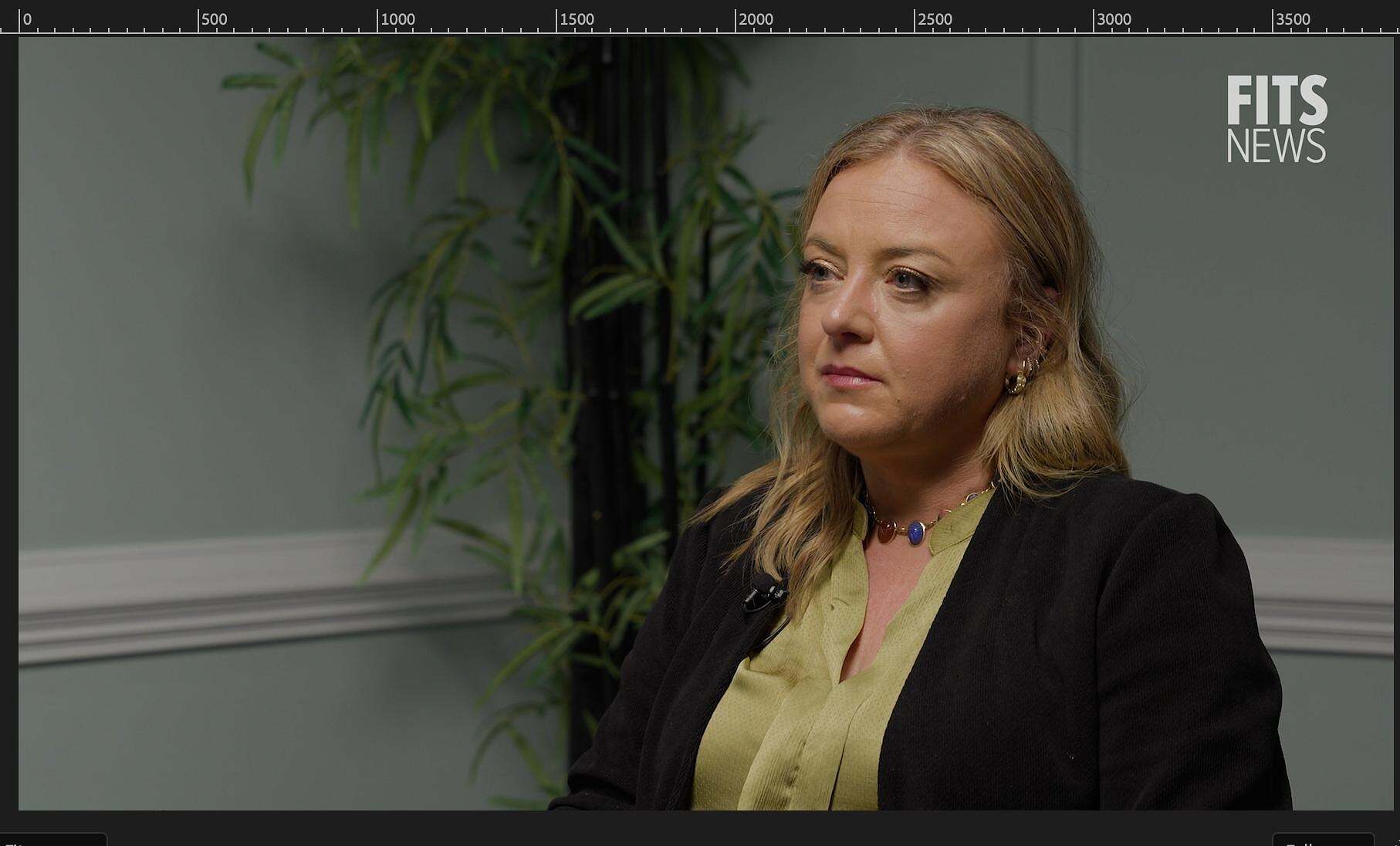
As a private investigator turned journalist, Jenn Wood brings a unique skill set to FITSNews as its research director. Known for her meticulous sourcing and victim-centered approach, she helps shape the newsroom’s most complex investigative stories while producing the FITSFiles and Cheer Incorporated podcasts. Jenn lives in South Carolina with her family, where her work continues to spotlight truth, accountability, and justice.
***
SOUND OFF…
Got something you’d like to say in response to one of our articles? Or an issue you’d like to address proactively? We have an open microphone policy! Submit your letter to the editor (or guest column) via email HERE. Got a tip for a story? CLICK HERE. Got a technical question or a glitch to report? CLICK HERE.

4 comments
Well done Jenn! This story has so much more than I think we can imagine. There may be many well known people involved in one way or another. I will be interested in following and hopefully the truth will come out and the drug ring participants exposed and prosecuted.
I agree with MaryContrary. Thank you Jenn, let the Truth Be Known!!
Its good that Mr Aylor’s true colors and hypocrisy and collusion are coming out. I dont believe in talking badly about a person deceased, but I was close to letting it out. Unfortunately, you can’t hide your dirt forever and think you’re invincible. He was far from a good person and was extremely crooked and selfish.
Bryan ” I dont believe in talking badly about a person deceased”
Also Brian ” He was far from a good person, and was extremely crooked and selfish”
Do you believe in anything that actually means something Brian?