
by JENN WOOD
***
The fight over evidence in Alex Murdaugh’s upcoming murder retrial has suddenly morphed into a fight over the credibility of his attorneys.
In a sharply worded filing submitted on Tuesday (October 6, 2026), prosecutors accused Murdaugh’s defense team of making “brazen falsehoods” in a motion seeking cellphone extraction files — including an allegation that the state delivered critical digital evidence during the first trial, leaving attorneys no meaningful opportunity to examine it.
According to the state, the files in question had already been provided multiple times prior to trial. To support that position, prosecutors attached emails in which defense attorneys acknowledged receiving an extraction they could no longer locate, along with a receipt signed by attorney Phillip Barber ten days before the delivery date identified in the defense’s latest motion.
The filing (.pdf) raised the temperature ahead of an October 16, 2026 hearing before S.C. circuit court judge Debra McCaslin, the presiding judge in this case. It comes as the two sides clash over cellphone data, forensic records and a separate state grand jury investigation into the alleged handling of the missing murder weapons.
Murdaugh was convicted of the murders of his wife, 52-year-old Maggie Murdaugh, and younger son, 22-year-old Paul Murdaugh, and sentenced to life in prison following a six-week trial in Walterboro, S.C. in early 2023. Those convictions were reversed, however, after the S.C. supreme court found numerous issues with the conduct of the trial – including allegations of jury tampering and potential jury rigging. Murdaugh is scheduled to be tried a second time in Sumter, S.C. beginning on April 5, 2027.

***
THE CELLPHONE FIGHT
As FITSNews reported last month, Murdaugh’s attorneys sought the extraction archives and associated files underlying the state’s cellphone reports. They argued those materials were necessary for an independent examination of the digital evidence used to construct the murder timeline.
The defense drew a distinction between a report produced by forensic software and the source data used to generate it. Its motion contended that, for several devices, prosecutors supplied reports without the underlying files needed to test the examiners’ conclusions.
Prosecutors flatly rejected that account.
“The simple answer is that the defense was already provided in 2022 with everything they are demanding now, including all the un-redacted ‘raw’ files,” the response stated.
According to the state, SLED lieutenant Britt Dove provided defense expert Chip Johnson the available underlying data from multiple devices on October 25, 2022. Prosecutors said they subsequently arranged replacement copies after the defense experienced problems accessing or locating the material.
The response also pointed to a December 22, 2022 delivery that prosecutors said included the complete, unredacted logical extraction of Alex Murdaugh’s phone performed shortly after the murders.
The exhibits included discovery memoranda, receipts, correspondence and screenshots of extraction files. The state said those records established that the defense received everything SLED possessed.
***

RELATED | Murdaugh Defense Demands Raw Cellphone Data
***
TEN DAYS THAT MATTER
The most pointed confrontation concerned the defense’s assertion that prosecutors delivered an approximately 81-gigabyte extraction of Alex Murdaugh’s phone on January 30, 2023, during the first trial and the day before Dove began testifying.
According to the defense motion quoted in the state’s response, that timing prevented a meaningful forensic review.
Prosecutors said the delivery occurred January 20, 2023 – three days before jury selection began in the case — and that it was another copy of an extraction already supplied.
A receipt attached as Exhibit J bore Barber’s signature and the handwritten date January 20, 2023. It identified Alex Murdaugh’s September 5, 2021 iPhone file-system extraction and an extraction of a phone Curtis “Eddie” Smith provided to law enforcement the previous day.
An accompanying email from Dove confirmed the signed receipt was returned January 20.
The attached emails also documented acknowledgments from Murdaugh’s attorneys.
On January 19, 2023, Jim Griffin told lead prosecutor Creighton Waters the defense could not locate the September extraction. Griffin said it might have been misplaced or involved an unintended device mix-up, acknowledged the state’s cooperation and took responsibility for the timing of the request.
***
***
“The timing of our request, coming just days before trial, is of our making, not yours,” Griffin wrote.
The following day, Dick Harpootlian expressly acknowledged that the state had previously delivered a copy of Alex’s GrayKey extraction to defense attorney Maggie Fox, but that they were unable to locate it.
The state argued those contemporaneous records contradicted the latest motion’s account.
Prosecutors also contended the trial record contained no objection about the supposed January 30 delivery and cited testimony from defense cellphone expert Micah Sturgis that his review relied on data supplied by the state.
The receipt and emails supported the state’s account of Alex’s extraction and the January delivery date. Screenshots in Exhibit C also listed underlying extraction archives and associated files for Maggie’s and Paul’s phones, challenging the defense’s assertion that it received only forensic reports.
The exhibits did not, however, conclusively account for every requested category of material for every device, including extraction logs and records of additional extraction attempts. Nor did the screenshots alone establish that each file was successfully delivered and accessible.
***
A SEPARATE DISCLOSURE BATTLE
The cellphone response arrived alongside a consequential dispute over an investigation into the alleged removal or concealment of the murder weapons.
FITSNews first reported on September 25, 2026 that a state grand jury was examining an alleged crime scene cover-up – including the alleged disposal of bloody clothes and the shotgun and rifle used in the killings.
Neither weapon used to murder Maggie and Paul Murdaugh has been recovered.
As this outlet subsequently reported, the defense filed a separate motion seeking witness statements, investigative records and grand jury material connected to that inquiry.
The defense also asked prosecutors to clarify whether they intended to argue that anyone else participated in the killings or helped transport, conceal or dispose of weapons and clothing afterward.
That dispute included a subpoena directing Yemassee police chief Greg Alexander to appear before the state grand jury in September. According to the defense motion, his anticipated appearance was canceled after attorney Joe McCulloch notified Waters that he represented Alexander.
The subpoena documented that Alexander was summoned. It did not explain why his appearance was canceled or prove the defense’s allegation that prosecutors were using the grand jury to avoid ordinary discovery.
In our latest reporting on Alexander’s movements, we noted that McCaslin set a deadline of this Thursday (October 8, 2026) for the state’s response to the grand jury motion and scheduled a hearing on the matter for October 16, 2026.
Tuesday’s cellphone filing addressed a different motion. It did not resolve the defense’s demands for material from the alleged cover-up investigation.
***
RELATED |. EVIDENCE SOUGHT From Alleged Crime Scene Coverup
***
AN OFFER — AND AN ACCUSATION
Despite the hostile language, the state said it was willing to supply the cellphone files again.
Prosecutors asked the defense to provide a suitably sized hard drive — recommending two terabytes or larger — so another transfer could be arranged through SLED. They also identified the folder where another requested item should already be located.
The response nevertheless asked McCaslin to deny the defense motion, arguing that prosecutors fulfilled their obligations and that the defense had misrepresented the discovery history.
The defense’s recent filings put the state’s handling and disclosure of evidence under scrutiny. Tuesday’s response put defense counsel’s own recordkeeping and representations to the court under scrutiny as well.
Next week’s hearing will move that fight from competing filings into McCaslin’s courtroom — where accusations of withheld evidence and false statements must be measured against the record. With a second murder trial approaching, the stakes extend beyond either side’s credibility to whether the defense has the material it needs to test the state’s case.
***
THE MOTION…
Subscriber-only document
This PDF is available to FITSNews subscribers. Get full access and be able to view documents like this one.
Subscribe for accessAlready a subscriber? Log in here
***
ABOUT THE AUTHOR …
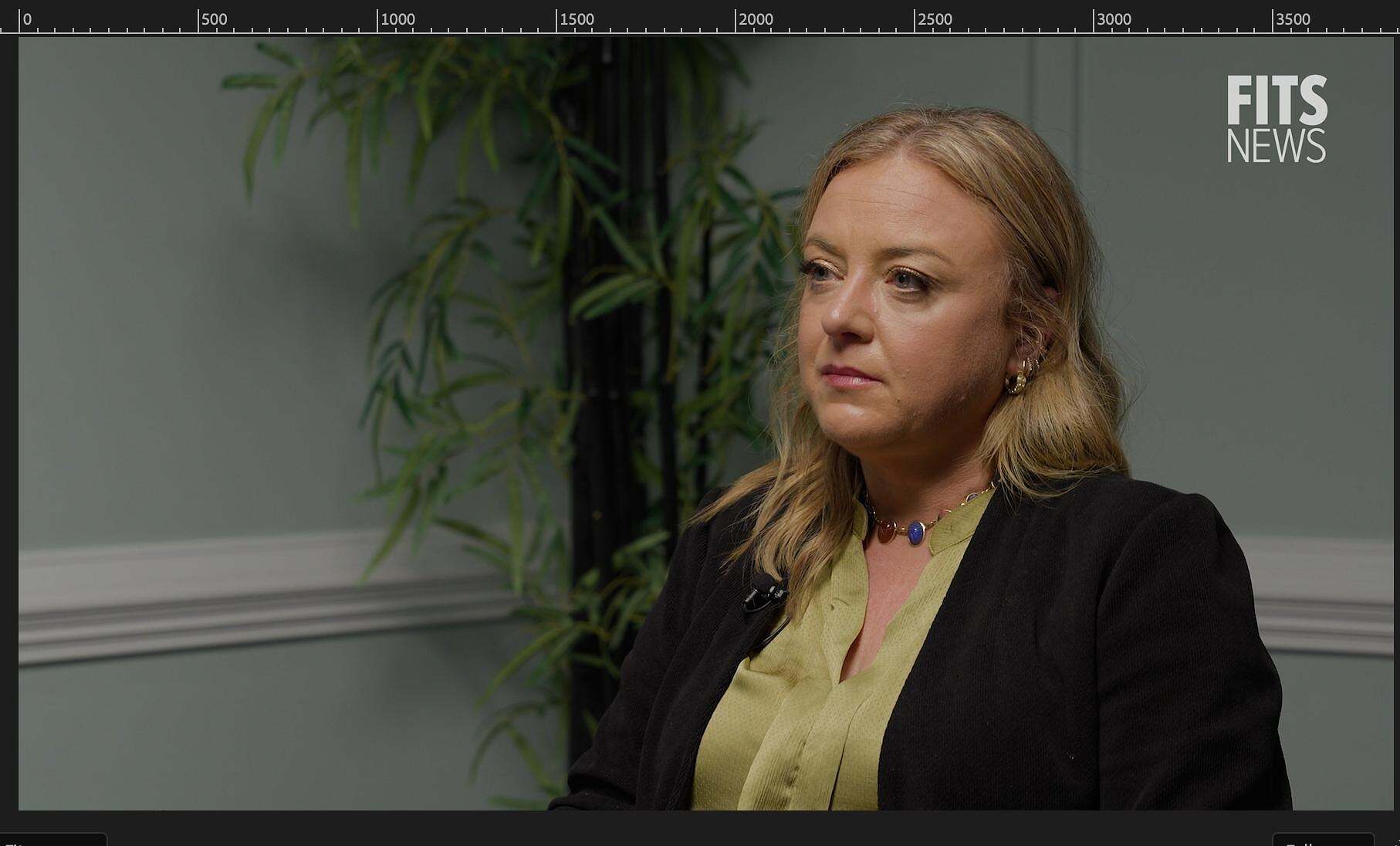
As a private investigator turned journalist, Jenn Wood brings a unique skill set to FITSNews as its research director. Known for her meticulous sourcing and victim-centered approach, she helps shape the newsroom’s most complex investigative stories while producing the FITSFiles and Cheer Incorporated podcasts. Jenn lives in South Carolina with her family, where her work continues to spotlight truth, accountability, and justice.
***
SOUND OFF…
Got something you’d like to say in response to one of our articles? Or an issue you’d like to address proactively? We have an open microphone policy! Submit your letter to the editor (or guest column) via email HERE. Got a tip for a story? CLICK HERE. Got a technical question or a glitch to report? CLICK HERE.

2 comments
Pooty Poot and Jimbo been lyin their asses off!
Who is Timothy Gillespie?