
***
In the first installment of this series, I argued that the next chapter for the South Carolina Department of Transportation should begin with two principles: transparency and accountability. Make information visible and make it clear who owns the result. But once you do those two things, the obvious next question is how quickly we are getting things done.
South Carolina is growing rapidly. New businesses are locating here, existing businesses are expanding, families are moving here, and communities that were once rural are becoming suburban almost overnight. Our transportation system has to keep pace.
That means speed cannot simply be an aspiration for SCDOT. It has to become an operating principle.

***
TIME HAS A COST
***
One lesson from business is that time is money. If you delay an investment, postpone a decision or allow a problem to sit unresolved, there is a cost associated with that delay. Transportation is no different.
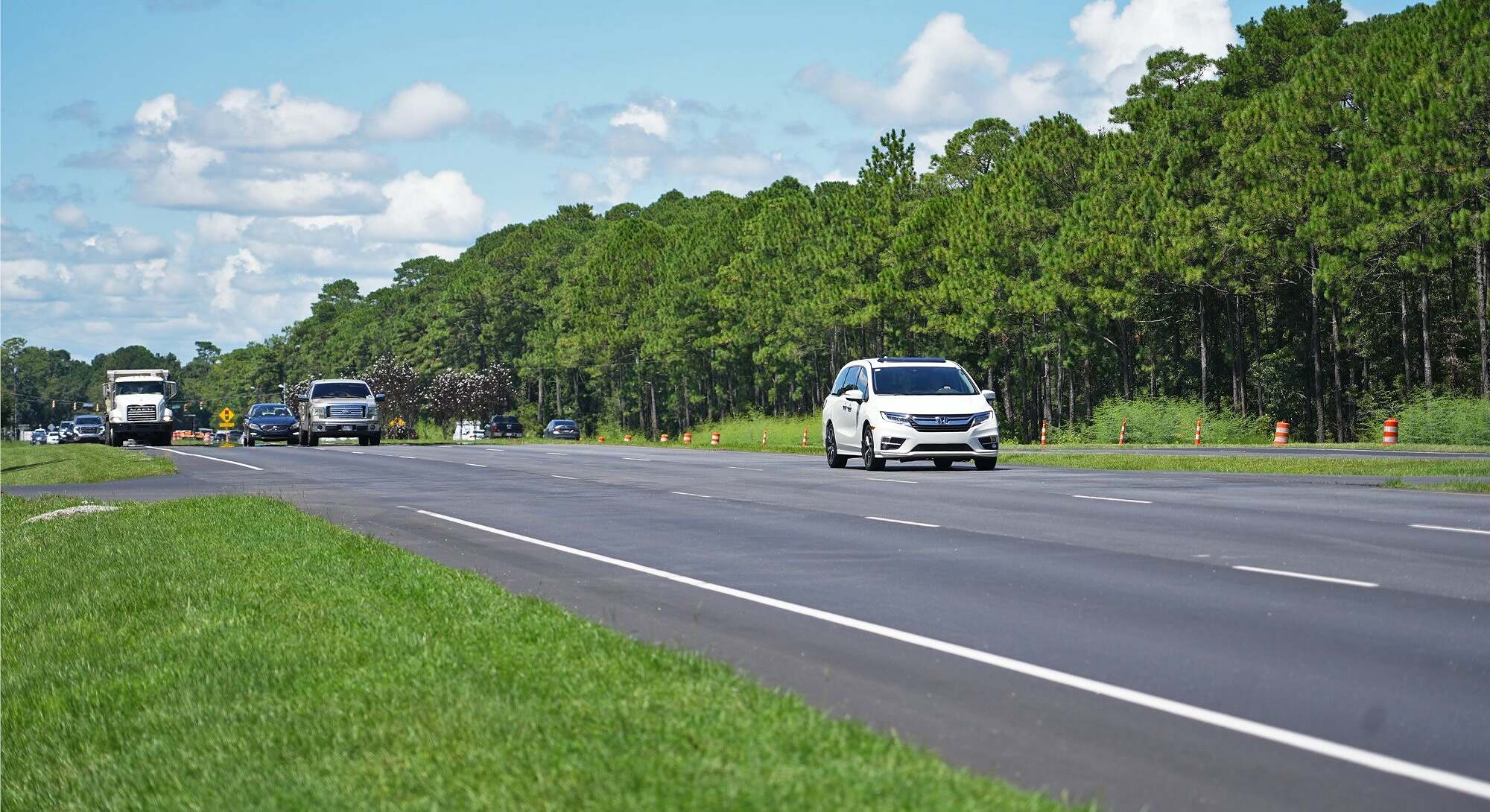
If an important road project is completed three years late, the cost is not limited to whatever additional dollars were spent on construction. For those three years, commuters sat in traffic, businesses dealt with congestion, families spent more time in their cars, freight moved more slowly and economic development may have been delayed.
A transportation project creates value when the public can actually use it. That means we should start thinking more seriously about time to completion as an important measure of agency performance.
Every significant project should have clear milestones across all project phases until final completion. When a project falls behind, agency leadership and the general public should be able to see where the delay occurred, understand why it happened and determine whether the cause was avoidable.
South Carolina’s recently enacted transportation reforms provide SCDOT with additional project-delivery tools. Those tools matter, but giving an organization new tools only produces results if the organization develops a culture that values using them to move faster.
***
GOVERNMENT GETS MORE OF WHAT IT REWARDS
***
This brings me to incentives. One of the simplest lessons in managing people and organizations is that you generally get more of the behavior you reward. The opposite is also true. If there is no consequence for delay, delay eventually becomes normal. If exceptional performance produces the same outcome as mediocre performance, we should not be surprised when exceptional performance becomes harder to find.
SCDOT should build performance incentives into more of what it does. That applies to contractors, but it should also apply internally to the SCDOT team.
For contractors, this concept is not new. SCDOT already uses tools such as early-completion incentives and liquidated damages or other consequences for late completion on certain projects. The opportunity is to examine where those tools have produced results and use them more aggressively when faster completion creates meaningful value for taxpayers.
Where appropriate, contractors who safely deliver important projects materially ahead of schedule should earn meaningful financial incentives. At the same time, avoidable contractor-caused delays that cost the public time and money should have meaningful financial consequences.
The same philosophy should apply inside the agency, and importantly, South Carolina already has some of the tools to do it.
State government currently allows eligible employees to receive bonuses for contributions such as increased organizational productivity, improved work processes, exceptional customer service and realized cost savings. Agencies are required to maintain criteria for awarding those bonuses, and SCDOT itself reports employee bonus information annually through the state’s compensation system.
***
REWARD GREAT PERFORMANCE, TOO
***
Accountability should not only be about identifying poor performance. It should also allow us to identify great performance.
Consider county maintenance operations. We can see which maintenance operations consistently respond quickly. We can see which teams keep roads in strong condition. We can identify offices with fewer recurring problems and compare response times across the state. Most importantly, we can recognize and reward the SCDOT team members who consistently perform beyond expectations.
If a county maintenance crew consistently exceeds its response-time goals, improves the condition of the roads under its responsibility, operates safely and provides exceptional service to the public, that performance should matter.
Government often spends significant time studying failure. We should spend more time studying excellence. Find the people who are producing outstanding results, reward them, and determine how we can reproduce what they are doing across the Department.
***
A BIGGER QUESTION
***
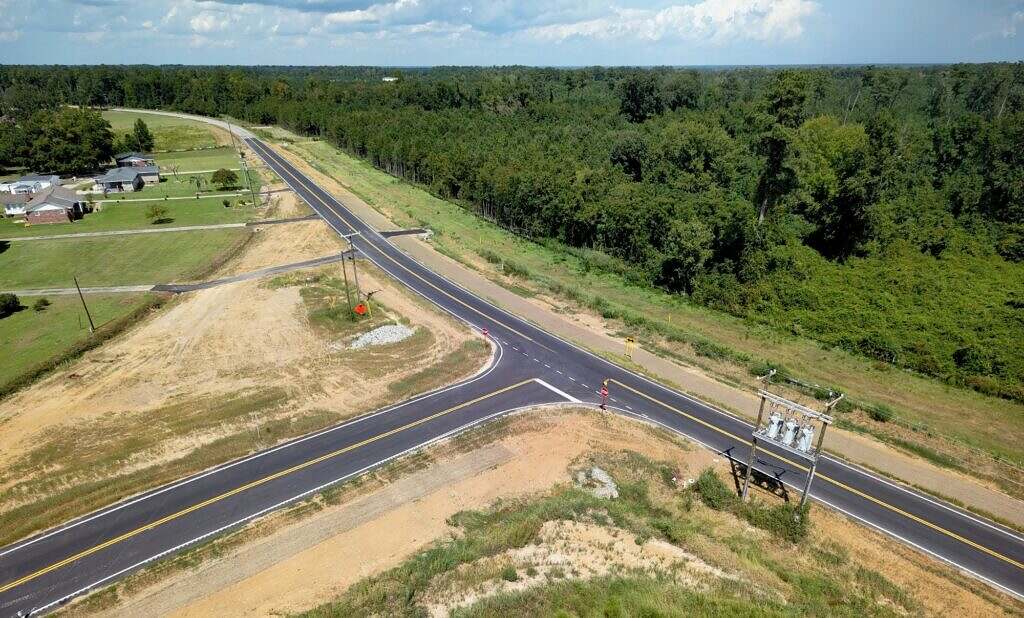
Even if we improve every process inside SCDOT, there is another issue we eventually must confront. The Department is responsible for an enormous road system.
SCDOT maintains more than 40,000 miles of roads. Approximately 20,000 miles of those are neighborhood routes that carry only about six percent of statewide traffic.
Think about that for a moment: roughly half of the road mileage maintained by the state carries approximately six percent of the traffic.
That does not mean those roads are unimportant. If you live on one of them, it may be the most important road in your world. But it does raise a legitimate question: should decisions about every neighborhood road in South Carolina be made by the state government in Columbia?
I do not think they should be.
***
EMPOWER LOCAL COMMUNITIES
***
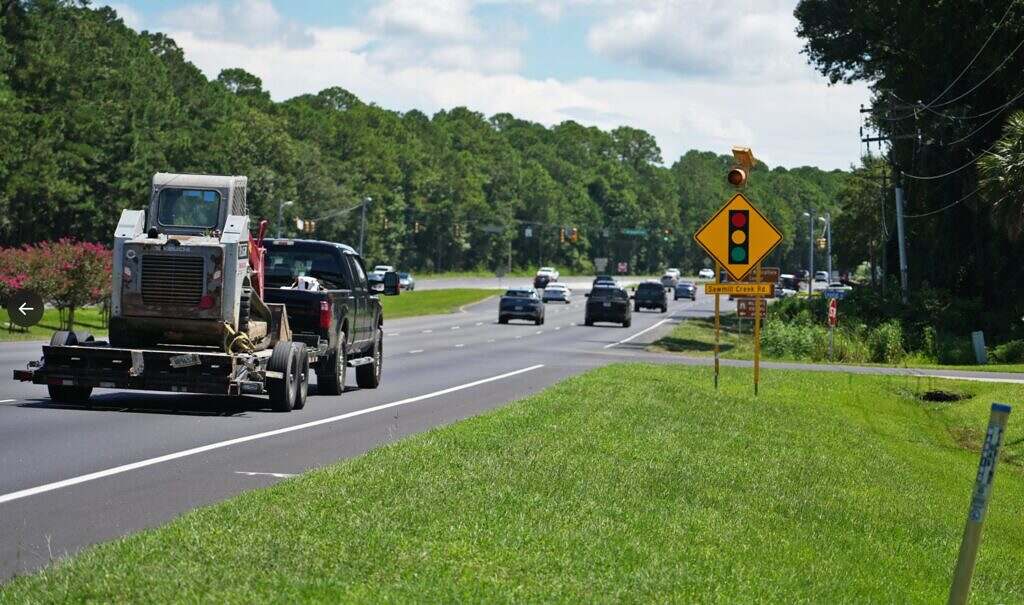
A road that primarily serves a neighborhood or local community may be better managed by the government closest to the people using it. A county council understands the needs of its community differently than an agency in Columbia.
One community may desperately need resurfacing. Another may prioritize drainage. Another may want sidewalks or intersection improvements. Those are fundamentally local decisions.
South Carolina should begin a serious effort to transfer appropriate local roads from the state system to capable counties and municipalities. The objective should not simply be to reduce SCDOT’s mileage. The objective should be to put decisions at the level of government best equipped to make them.
For SCDOT, that would allow the agency to increasingly concentrate its resources and management attention on roads that truly require statewide coordination: interstates, major freight corridors, primary highways, evacuation routes, bridges, high-volume commuter corridors and infrastructure critical to economic development.
That is not abandoning local roads. It is asking the right level of government to own the right assets.
***
NO UNFUNDED MANDATES

***
There is an obvious problem with this idea. You cannot simply hand thousands of miles of roads to counties and municipalities and wish them good luck.
Some local governments have sophisticated public works operations. Others do not. Before roads are transferred, the state should know that the receiving government has the capability to maintain them properly.
I would propose creating a certification process for counties and municipalities that want to accept roads from the state system. Certification could examine engineering capability, maintenance personnel, equipment, pavement-management practices, emergency-response capability, financial resources, procurement systems, and reporting practices.
The goal would be straightforward: if we transfer responsibility, make sure the local government has the ability to fulfill it.
***
DON’T MAKE EVERY COUNTY BUILD ITS OWN SCDOT
***
There is another important distinction when it comes to empowering county governments. Certification should measure capability, not a government headcount.
A small or rural county should not build an expensive transportation bureaucracy simply to qualify. If the private sector can provide those services efficiently, let it.
A county might contract with private-sector partners for paving, drainage work, mowing, engineering, inspection, pavement repair or other maintenance functions. The state should care about the result: are the roads being properly maintained, are safety standards being met, are citizens receiving acceptable service, and are taxpayer dollars being used effectively?
Whether that work is performed by a government employee or a qualified private contractor should be secondary to whether the job is being done well.
***
AUTHORITY, RESPONSIBILITY, RESOURCES MUST TRAVEL TOGETHER
***
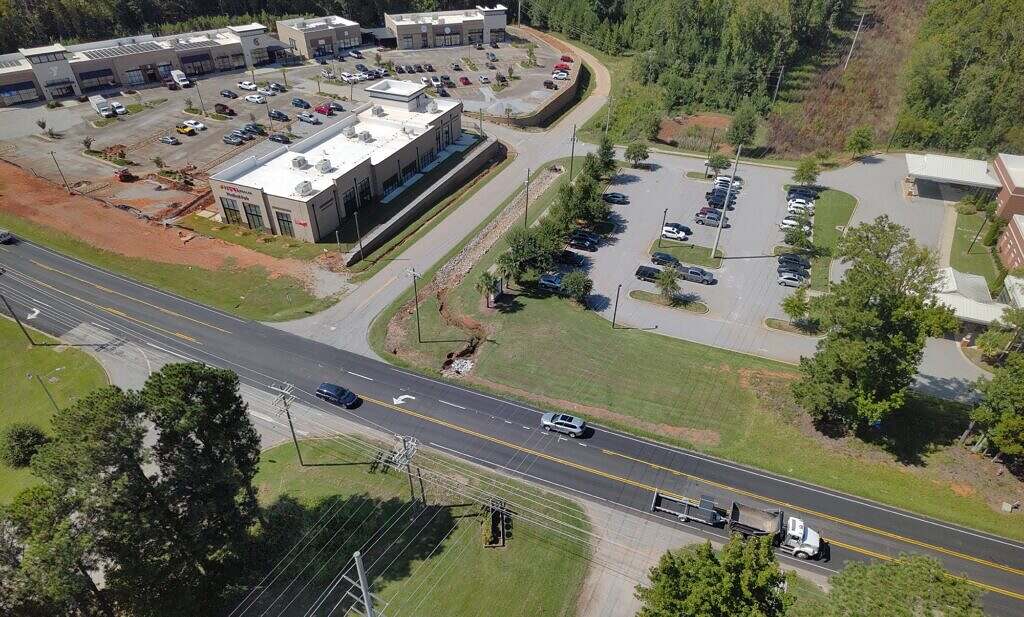
A serious road-transfer program would also have to address funding. Local governments should not receive responsibility for roads without a realistic financial structure for maintaining them.
There are multiple ways policymakers could design that system. There could be transitional funding, formula funding associated with transferred mileage, or continuing transportation allocations tied to performance.
Those details deserve serious study. But the principle is simple: authority, responsibility and resources should travel together.
If we want local governments to make more transportation decisions, we should give capable local governments both the authority and resources necessary to do it successfully.
***
A FASTER SCDOT REQUIRES A DIFFERENT SCDOT
***
If we want SCDOT to move faster, we cannot simply tell thousands of employees to work faster. We must design an organization around speed.
That means measuring how long things take, making it clear who owns the result, rewarding people who consistently exceed expectations, creating consequences for avoidable delay, giving people closer to problems greater authority to solve them, and reducing the number of decisions that unnecessarily have to flow through Columbia.
South Carolina has already taken a major step by restructuring the governance of SCDOT. Effective January 1, 2027, the SCDOT Commission will be abolished and responsibility for leading the Department will become much more clearly aligned with the Secretary and Governor.
Secretary Powell and the current SCDOT leadership team deserve credit for helping guide the Department through this transition. The reforms I am advocating should not be viewed as a rejection of their work. They are about what comes next and how the next Governor can build upon what has already been accomplished.
The goal should not be a smaller SCDOT simply for the sake of being smaller. The goal should be a more focused SCDOT: one that moves faster, rewards performance, puts decisions closer to the people affected by them, and concentrates its resources on the parts of South Carolina’s transportation system where a strong statewide Department of Transportation can make the greatest difference.
***
ABOUT THE AUTHOR…

Thomas Rhodes is an entrepreneur, investor and statewide at-large Commissioner on the South Carolina Department of Transportation Commission. A native of Summerton, South Carolina, he resides in Columbia. He previously served as Chairman of the South Carolina Chamber of Commerce.
The views expressed in this article are his own and do not represent the South Carolina Department of Transportation, the SCDOT Commission, or any other organization with which he is affiliated.
1 comment
Another unelected state bureaucrat.