
by JENN WOOD
***
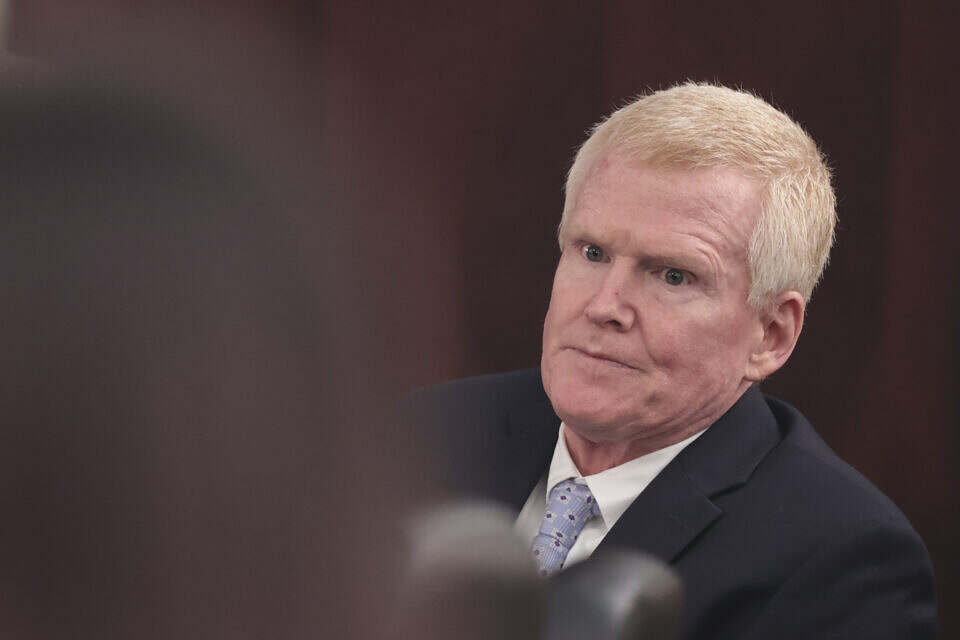
South Carolina prosecutors acknowledged errors involving disputed forensic evidence and grand jury testimony in their murder case against Alex Murdaugh — but argued these mistakes did not amount to intentional misconduct or justify dismissing the indictments against the disgraced former attorney.
In a 22-page response (.pdf) filed Friday (November 6, 2026), the state pushed back against allegations that investigators fabricated blood-spatter evidence and misled the Colleton County grand jury that indicted Murdaugh for the June 2021 murders of his wife and younger son.
“The state did not fabricate or falsify any testimony,” prosecutors wrote.
But the filing did not dispute every problem identified by Murdaugh’s defense team.
Prosecutors acknowledged a laboratory report indicating no human blood had been identified on certain samples from Murdaugh’s shirt was inadvertently omitted from materials provided to a forensic expert whose subsequent findings became part of the grand jury presentation.
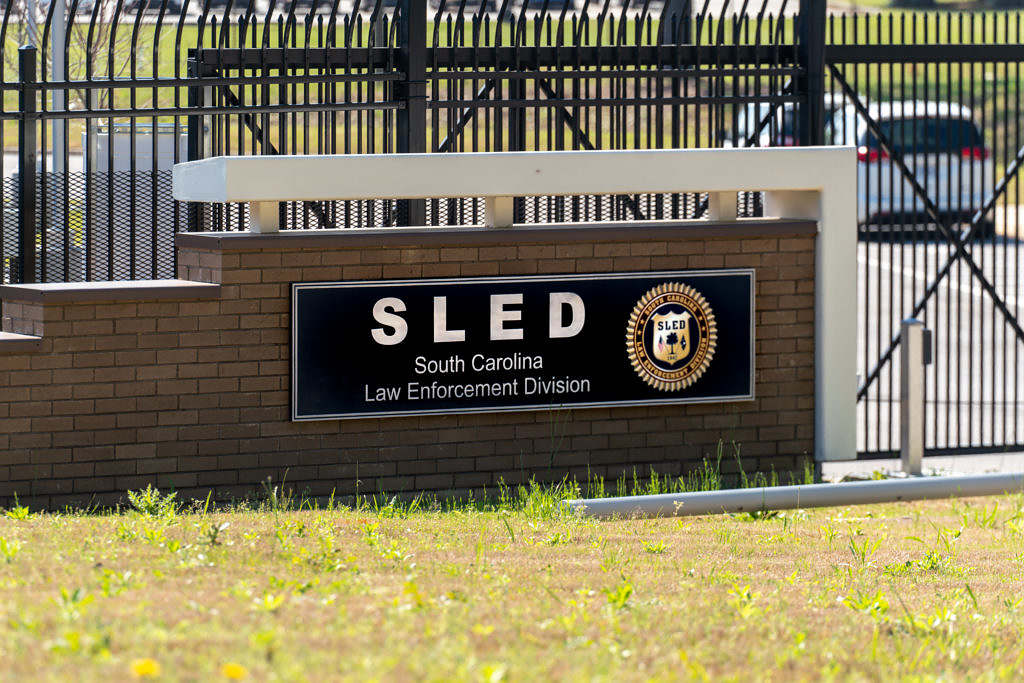
They also acknowledged inaccuracies in former S.C. Law Enforcement Division (SLED) investigator David Owen‘s statements concerning shotgun ammunition recovered from the family compound where the murders took place, a sprawling hunting property known locally as Moselle.
***
***
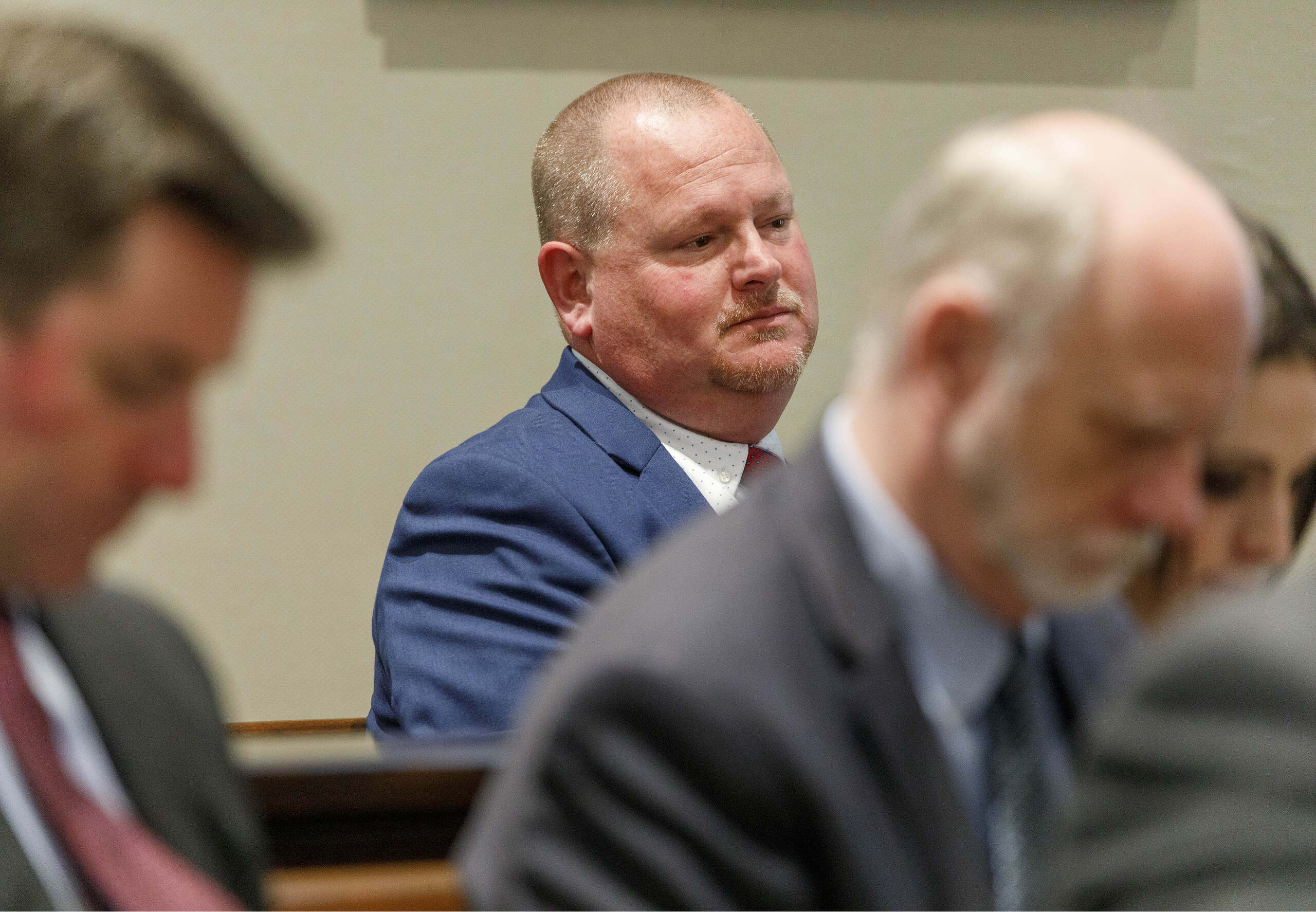
Prosecutors maintained neither issue demonstrated deliberate deception – and that the grand jury had sufficient additional evidence to establish probable cause even without the challenged testimony.
That distinction was central to the prosecution’s response: Investigative mistakes, prosecutors argued, were not necessarily grounds for invalidating an indictment.
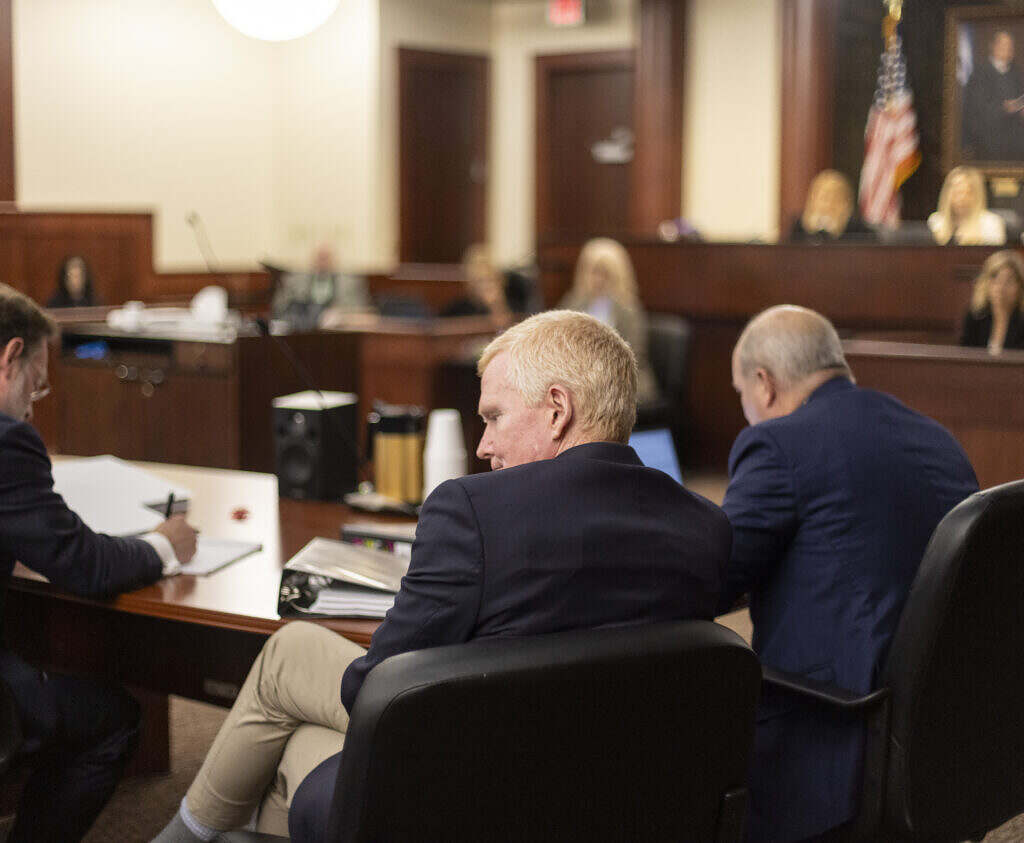
The filing came one week after Murdaugh’s attorneys accused investigators of manufacturing forensic evidence, presenting false testimony to grand jurors and improperly using secret state grand jury proceedings to continue investigating the murders.
As FITSNews previously reported, attorneys Dick Harpootlian, Jim Griffin, Phil Barber and Maggie Fox sought the dismissal of all four of the murder-related indictments without prejudice — meaning prosecutors could seek new indictments rather than permanently abandon the prosecution.
Murdaugh was convicted of the June 7, 2021 murders of his wife, 52-year-old Maggie Murdaugh, and younger son, 22-year-old Paul Murdaugh, and sentenced to life in prison following a six-week trial in Walterboro, S.C. in early 2023. Those convictions were reversed, however, after the S.C. supreme court found numerous issues with the conduct of the trial – including allegations of jury tampering and potential jury rigging
His retrial is scheduled to begin April 5, 2027, in Sumter County, with S.C. circuit court judge Debra McCaslin presiding.

***
THE MISSING LABORATORY REPORT
Perhaps the most consequential acknowledgment in the State’s response concerned a laboratory report that was not provided to bloodstain-pattern analyst Tom Bevel before he reached his conclusions about Murdaugh’s clothing.
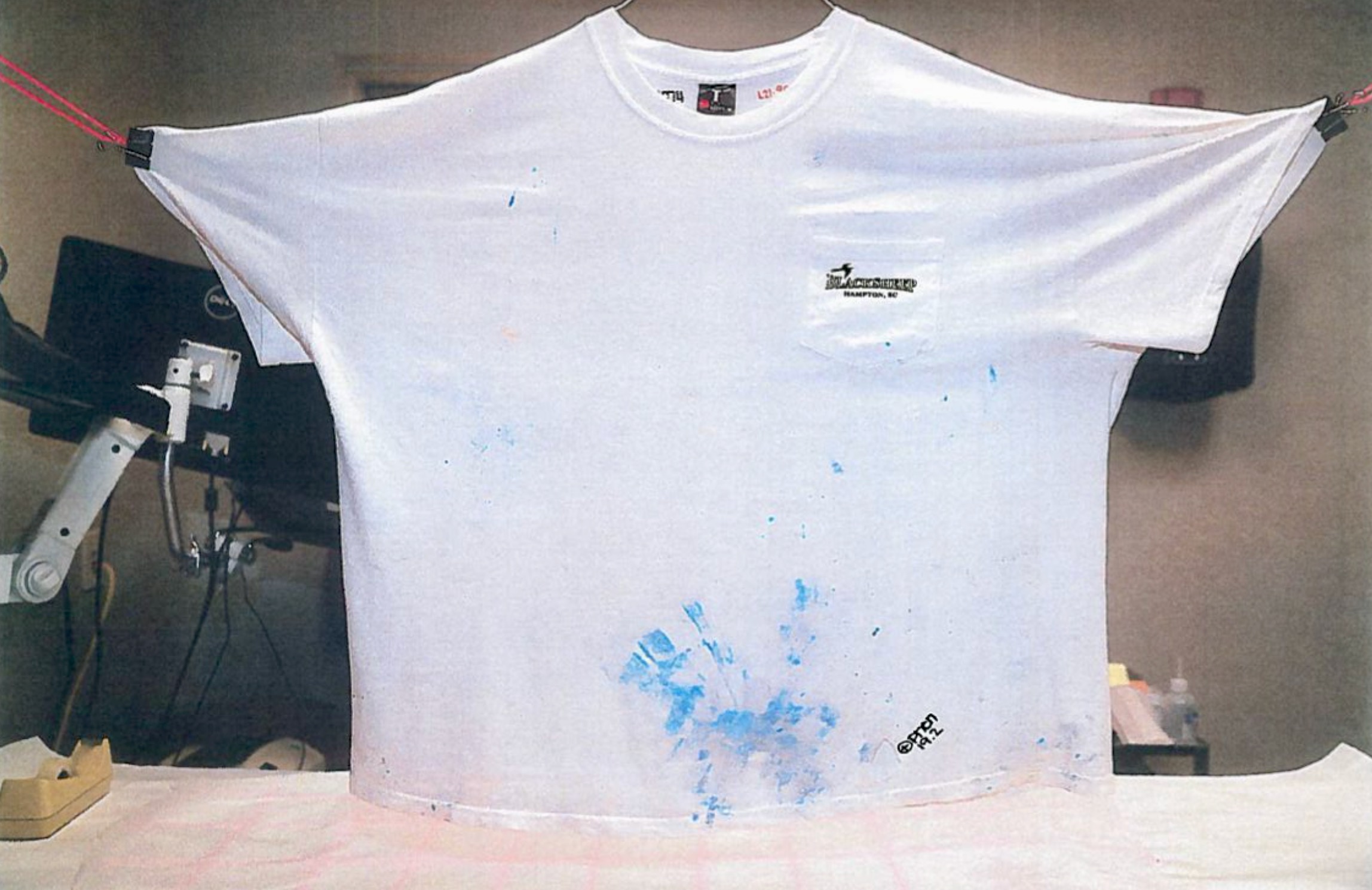
The controversy centered on a white T-shirt Murdaugh wore on June 7, 2021, when he reported discovering Maggie and Paul’s bodies near the dog kennels at Moselle. Investigators initially believed the shirt contained high-velocity impact spatter — tiny droplets of blood that can be produced during a shooting. If reliably established, such evidence could have potentially placed Murdaugh close to one of the victims when the fatal shots were fired.
As FITSNews previously detailed, Bevel’s initial February 2022 assessment did not identify blood spatter on the shirt. Following additional discussions with investigators and further examination of the evidence, however, Bevel revised his findings.
His March 29, 2022 report identified more than 100 stains consistent with blood spatter.
Murdaugh’s defense attorneys have long questioned that reversal, alleging investigators improperly influenced the expert’s conclusions and failed to provide him with laboratory findings that undermined the blood-spatter theory. In Friday’s response, prosecutors acknowledged that a November 2021 SLED laboratory report indicating no human blood had been identified on certain shirt samples had not been provided to Bevel.
The State characterized the omission as inadvertent, explaining that the report was not discovered among the materials provided to the expert until November 2022 — four months after the grand jury returned Murdaugh’s indictments.
***
***
According to prosecutors, the missing report was subsequently provided to Bevel, who conducted additional analysis and issued a supplemental report in December 2022. Bevel stood by his earlier blood-spatter conclusions despite reviewing the previously omitted laboratory findings.
Prosecutors also argued that the shirt’s treatment with Leuco Crystal Violet (LCV) — a chemical reagent used to reveal potential bloodstains — could have interfered with subsequent laboratory testing and produced a false-negative result.
That explanation was significant because it offered an alternative interpretation of the conflicting forensic findings without conceding the original blood-spatter analysis was unreliable.
The State further argued that Bevel’s revised opinion resulted from a legitimate examination of additional photographic evidence and an in-person inspection of the shirt, rather than improper pressure from investigators. Prosecutors maintained the expert’s findings were neither fabricated nor false when Owen presented them to grand jurors in July 2022.
The filing also addressed another longstanding question surrounding the evidence: why did prosecutors ultimately decide not to introduce Bevel’s blood-spatter findings at Murdaugh’s original trial?
Defense attorneys have repeatedly pointed to that decision as evidence that the prosecution lacked confidence in the expert’s conclusions. The State rejected that interpretation, characterizing the decision as a strategic choice based on the strength of other evidence against Murdaugh — not an acknowledgment Bevel’s findings were fabricated.
Prosecutors further argued the original jury’s guilty verdict – reached without hearing Bevel’s disputed opinion – demonstrated that the prosecution did not depend on the blood-spatter evidence to secure a conviction.
***
RELATED | DEFENSE SEEKS DISMISSAL OF INDICTMENTS
***
SHOTGUN TESTIMONY: MISTAKE OR MISCONDUCT?
A second significant acknowledgment involved Owen’s testimony concerning shotgun ammunition recovered from the Moselle property.
Paul Murdaugh was killed by two shotgun blasts, while Maggie Murdaugh was shot multiple times with a .300 Blackout rifle.
Neither murder weapon has been conclusively recovered.
During the original investigation, Owen questioned Murdaugh about shotguns recovered from the property and suggested that some contained ammunition combinations similar to those used to kill Paul. The defense alleged Owen subsequently presented inaccurate information concerning those ammunition combinations to grand jurors.
During Murdaugh’s original trial, Owen acknowledged portions of his prior testimony about mixed shotgun loads were inaccurate. In Friday’s response, prosecutors did not dispute that acknowledgment. Instead, they argued that the inaccuracies stemmed from confusion involving several shotguns recovered from Moselle — rather than a deliberate effort to mislead the grand jury.
The state pointed to evidence that other firearms recovered from the property contained mixed ammunition, including buckshot and birdshot.
Prosecutors maintained Owen’s statements reflected his understanding of the investigation at the time – even if his description of particular weapons or ammunition combinations was imprecise. They characterized the disputed testimony as a relatively minor circumstantial issue and argued that the defense had failed to establish intentional fabrication.
That distinction mirrored the prosecution’s position on the blood-spatter controversy.
***
RELATED | The Unresolved Murdaugh Evidence Battle
***
THE LEGAL QUESTION: WERE THE INDICTMENTS COMPROMISED?
The state’s response went beyond defending investigators’ conduct. Prosecutors also argued that Murdaugh’s defense team had failed to meet the demanding legal standard for dismissing an indictment based on alleged grand jury misconduct.
A grand jury does not determine whether a defendant is guilty or innocent: its role is merely to determine whether sufficient evidence exists to establish probable cause — a substantially lower standard than the proof beyond a reasonable doubt required for a criminal conviction.
But the defense’s allegations raised a separate issue: whether allegedly false or misleading evidence improperly influenced the grand jury’s decision to indict.
Citing the S.C. supreme court’s 1994 decision in State v. Thrift, prosecutors argued that dismissal for grand jury misconduct was warranted only when the alleged violations substantially influenced the grand jury’s decision — or created grave doubt that the decision was free from such influence.
That meant the defense faced two related but distinct questions.
First, did investigators engage in misconduct when presenting evidence to the grand jury?
Second, if misconduct occurred, did it substantially influence the decision to indict?
The State maintained that the defense had failed to establish either.
Prosecutors argued that even if the disputed blood-spatter and shotgun testimony were excluded entirely, the grand jury still had ample evidence to establish probable cause.
Among the evidence cited was the now-infamous kennel video recorded on Paul Murdaugh’s cellphone shortly before the murders.
That recording captured Murdaugh’s voice near the dog kennels just minutes before investigators believed Maggie and Paul were killed — contradicting his initial statements that he had not been there that evening.
Prosecutors also pointed to vehicle and cellphone data, evidence concerning the missing .300 Blackout rifle, and Murdaugh’s financial circumstances.
The State maintained that this broader body of evidence independently supported the indictments.
However, the existence of other evidence did not, by itself, resolve the defense’s allegations concerning the integrity of the grand jury process.
Under the legal standard cited by prosecutors, the question was also whether any proven misconduct substantially influenced the grand jury’s decision.
The State argued that Murdaugh had failed to demonstrate such influence.
Prosecutors also noted that the defense had raised many of the same complaints during the original trial but had not previously sought dismissal of the indictments.
They maintained that the defense’s decision to pursue the remedy years later further weakened its position.
***
RELATED | Murdaugh Attorneys Demand Evidence From Alleged Crime Scene Coverup
***
THE STATE GRAND JURY DISPUTE
The response also addressed allegations that prosecutors improperly used the South Carolina State Grand Jury to continue investigating matters connected to the murders after Murdaugh had already been indicted.
As FITSNews previously reported, defense attorneys raised concerns about a more recent state grand jury investigation involving allegations that evidence — potentially including the missing murder weapons — had been concealed following the killings.
The issue drew additional attention after attorneys learned of a subpoena involving Yemassee police chief Greg Alexander, a longtime Murdaugh family associate.
The defense questioned whether prosecutors were improperly using the secrecy and investigative powers of the state grand jury to develop evidence for an already pending murder prosecution.
Unlike a county grand jury, South Carolina’s State Grand Jury has specialized statutory jurisdiction over certain crimes, including public corruption and specified financial offenses.
Murdaugh was previously the subject of extensive state grand jury investigations involving financial crimes, resulting in numerous indictments separate from the murder case.
In Friday’s response, prosecutors characterized the defense’s allegations concerning the more recent proceedings as irrelevant to the validity of the July 2022 Colleton County indictments.
The State also argued that grand jury investigations could lawfully uncover information relevant to existing prosecutions, provided the proceedings were not being used primarily to prepare an already pending case for trial.
Prosecutors cited the State Grand Jury’s statutory authority to investigate public corruption and its jurisdiction over Murdaugh’s financial crimes.
They did not disclose the substance of any testimony presented during the more recent investigation.
Instead, prosecutors argued that information developed through lawful grand jury proceedings could ultimately prove incriminating, exculpatory or inconclusive.
The State maintained that the defense had not established that the proceedings were improper — and argued that, regardless, the newer investigation had no bearing on whether the original murder indictments were valid.
***
WHAT HAPPENS NEXT?
The State concluded that the defense had failed to demonstrate intentional misconduct or establish that the disputed evidence substantially influenced the Colleton County grand jury’s decision to indict.
Prosecutors asked McCaslin to deny the motion, maintaining that the indictments were supported by sufficient probable cause regardless of the challenged testimony.
For Murdaugh’s defense team, however, the dispute has centered on whether grand jurors received an accurate presentation of the evidence before deciding to charge him with two murders.
A dismissal without prejudice would not amount to an acquittal or prevent prosecutors from seeking new indictments.
It would, however, require the State to return to a grand jury if it intended to proceed on the same charges.
McCaslin has not yet ruled on the motion.
The parties are scheduled to return to court November 13, 2026, for another pretrial hearing in Lexington County, ahead of the April 2027 retrial in Sumter County.
The State’s latest filing underscored the central divide between prosecutors and defense attorneys: whether the disputed forensic findings and inaccurate testimony represented ordinary investigative mistakes — or misconduct serious enough to compromise the grand jury process itself.
That question now rests with the court.
***
THE MOTION…
Subscriber-only document
This PDF is available to FITSNews subscribers. Get full access and be able to view documents like this one.
Subscribe for accessAlready a subscriber? Log in here
***
ABOUT THE AUTHOR …

As a private investigator turned journalist, Jenn Wood brings a unique skill set to FITSNews as its research director. Known for her meticulous sourcing and victim-centered approach, she helps shape the newsroom’s most complex investigative stories while producing the FITSFiles and Cheer Incorporated podcasts. Jenn lives in South Carolina with her family, where her work continues to spotlight truth, accountability, and justice.
***
SOUND OFF…
Got something you’d like to say in response to one of our articles? Or an issue you’d like to address proactively? We have an open microphone policy! Submit your letter to the editor (or guest column) via email HERE. Got a tip for a story? CLICK HERE. Got a technical question or a glitch to report? CLICK HERE.
