
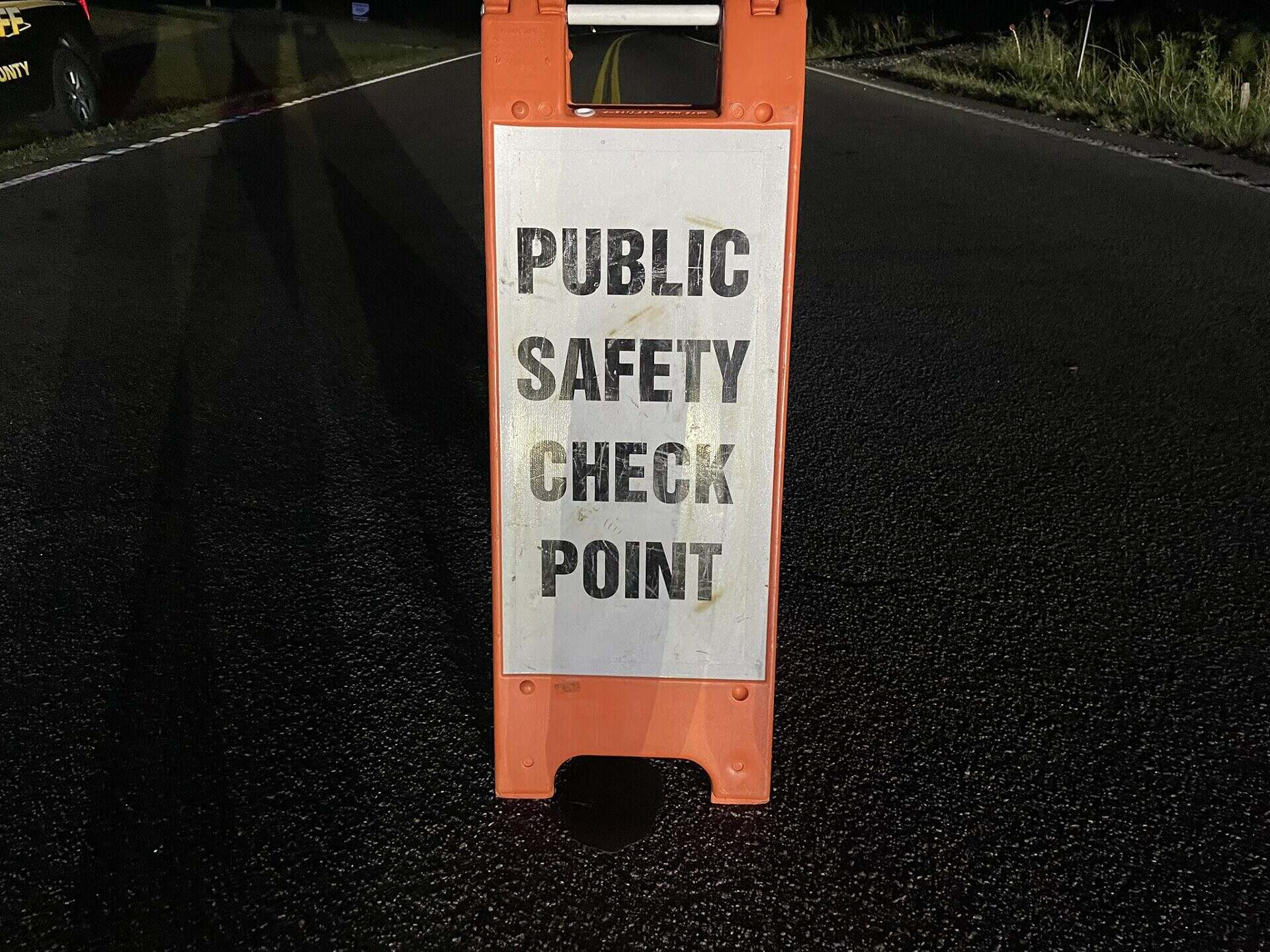
by STAN OVERBY
***
As an attorney who has spent fifteen years handling DUI cases, ten of them as a prosecutor, I am very familiar with our DUI laws and the reasons they exist. S. 52 was not a miraculous salve for our DUI laws, it was a bill that tried to do far too much, didn’t address the actual problems, and should have been broken down to pass what needed to pass.
To be clear, the most controversial provision of that bill was to introduce roadside blood draws by law enforcement phlebotomists. The purpose is to increase the speed with which law enforcement can obtain blood samples in drug-based DUI cases. This is very different than our current enforcement methods which requires that these draws are by a licensed medical professional in a licensed medical facility.
Much of the disagreement was over who should conduct the draws because some medical facilities are not assisting law enforcement in the execution of their duties. However, I don’t believe that justifies law enforcement phlebotomy, most notably because I do not think it is safe to the public to have them conduct a medical procedure. Not one medical professional testified in subcommittee or rendered an opinion on the required training and experience in that area, and the argument is that “agency” policy would dictate how that was done.
I especially do not support this when an individual would be required to give the sample, under potential penalty of a license suspension, without a warrant being sought under the Fourth Amendment. While I don’t dispute that law enforcement can do this (implied consent is constitutional, though this scheme pushes the envelope as it did in Georgia), I do not believe they should, quite frankly because their case is stronger by getting a warrant.
***

RELATED | DUI REFORM BILL BACK ON THE TABLE
***
As the law is written, the decision to request blood is based on field sobriety testing alone, which, as this report from WMSV 4 in Nashville shows, is alarming and all the more reason an independent judge should evaluate the evidence before authorizing it. No such work has been done by the media on this topic here, but I can assure you that there are plenty of cases if one were to look. Our state should focus on speeding up the warrant process and being accurate rather than casting wide nets that will rope in hundreds of innocent drivers.
There are many other pieces of this legislation that I could discuss at length, but most of the issues all of the parties agree upon. Moderate bodily injury charges on DUI and reckless driving cases, increased penalties on DUIs and increased suspensions for breath test refusals, videotaping provisions (since State v. Lowery has essentially corrected the Miranda issues of the past), and increased penalties for recidivist offenders were not in controversy.
There was even PTI for DUI, a once unheard of idea. However, once a bill reaches conference committee, you have to get free conference powers to be able to change the bill in a meaningful way. If you don’t get free conference, you can’t change what you need to change, and the bill dies. In the end, it was the means and manner of collecting blood, and the introduction of a scientifically specious THC per se criminal statute that would criminalize driving at 5 ng/ml (without any scientific backing), that I believe ended the endeavor.
We also cannot ignore enforcement as a topic in this debate. No law change will be effective if you don’t have the personnel necessary to enforce it. When I began as a prosecutor in 2012, the vast majority of my cases began with a standard traffic stop. Now I rarely see one where a wreck has not already occurred. The reason for this is simple, there’s not enough manpower and resources on the roadway to cover the mileage in our state. Needless to say, this has been a known and recurring problem, especially when some county agencies are relying on the South Carolina Highway Patrol to conduct all of their DUI investigations.

***
Further, the solicitors must rethink how they approach DUI prosecution. I agree fully that officers should not be trying their own cases, and that is a solicitor resource problem. Additionally, in most circuits, a young prosecutor is thrown into the fire and told to survive in the summary courts without any kind of specialized training in this law. If that prosecutor shows promise, they are often shuffled to another area of the office because that area is viewed as advancement. The solution proposed was to limit prosecutorial discretion by cutting off the solicitor’s ability to plea. Not only does this potentially violate separation of powers, it also is fundamentally unfair to person in the seat who has to try that case. When the option is try the case, or dismiss it, everyone loses.
Finally, the ability to prosecute effectively is just as much about people as it is about legal acumen. Getting to know the officers you work with, listening to their issues, relaying what you need to prosecute effectively, and working on the cases together is the absolute formula to lead to successful prosecutions. I know this, because I did it. But these bonds take time to form, and it takes a lot of hard work to be able to create a compelling case on the merits to a jury with consistency. This current model starts the prosecutor back at square one: no connections, no experience. It is no wonder that the number one complaint of most law enforcement is a lack of communication.
No one knows the stakes we’re dealing with like I do in terms of vehicular fatalities, but that is not a reason to abandon a pragmatic legislative approach. This is especially so when S. 36, which expanded Emma’s Law to all DUI convictions in 2024, has resulted in noticeable drops in fatalities according to the Department of Public Safety. In fact, since peak 2021, South Carolina’s deaths have fallen 21% despite a population surge, and they continue to fall (taking into account reported DPS numbers from 2025 and projected numbers in 2026). Should we stop? No, but a measured approach is the best solution rather than a rash decision like roadside blood draws by law enforcement phlebotomists.
Protecting people’s constitutional rights against seizure of their blood, and ensuring that independent evidence of their cases exist, are not loopholes. On the contrary, they ensure public trust.
For me, this has never been about getting my clients “off,” or getting money (I certainly haven’t been paid for this): it’s about ensuring that there is a fair law that will balance the rights of the accused while proving to be an effective deterrent. DUI is a crime, there is no doubt, but it’s a crime that relies on a mix between subjective and objective proof, totally different from other crimes and its enforcement mechanisms affect every licensed driver in the State. That is why I will continue to advocate for targeted, pragmatic legislation on the issue.
***
ABOUT THE AUTHOR…
***
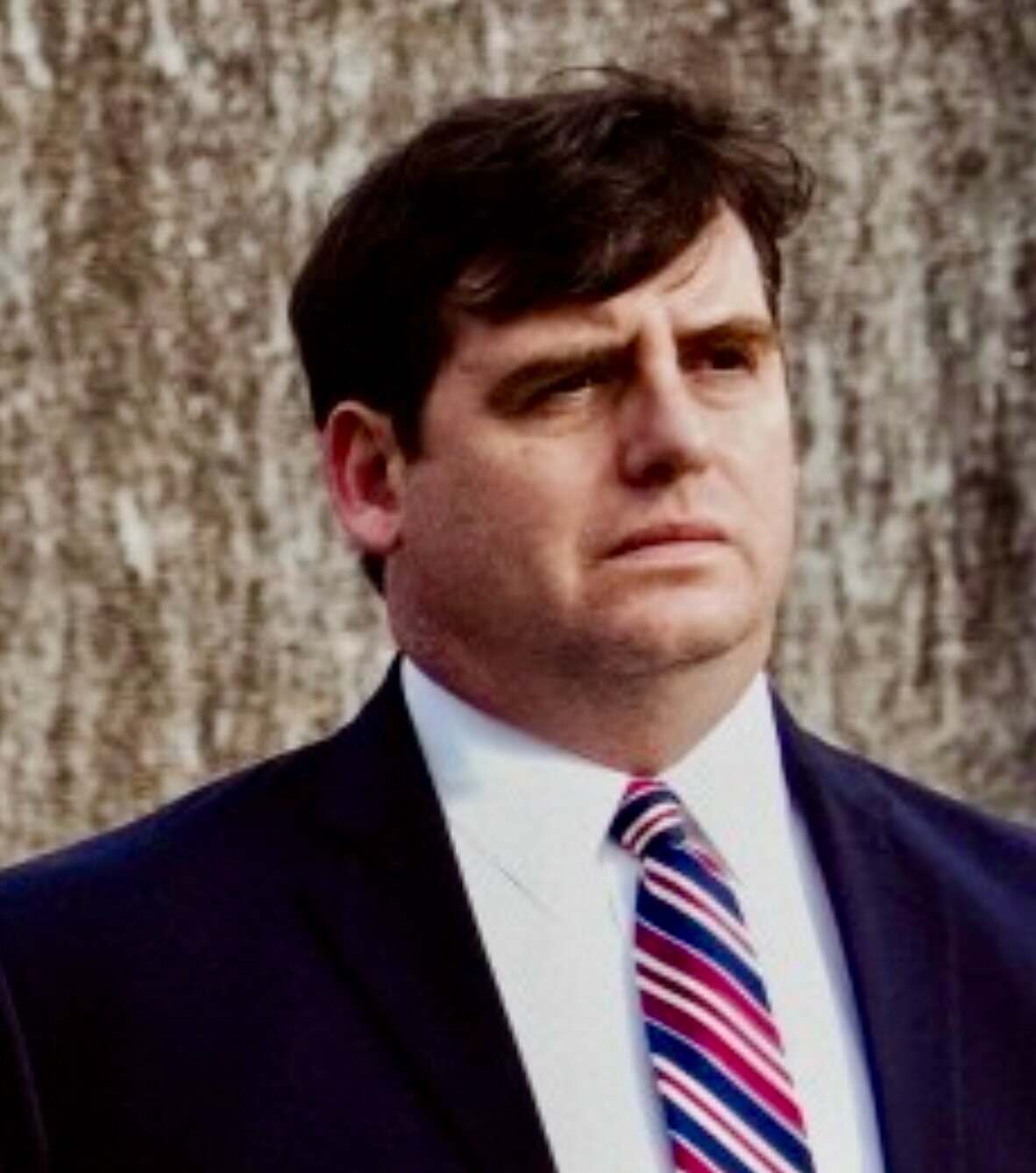
Stan Overby is a partner at the Greenville, South Carolina law firm Cole, Crangle and Overby.
***
SOUND OFF…
Got something you’d like to say in response to one of our articles? Or an issue you’d like to address proactively? We have an open microphone policy! Submit your letter to the editor (or guest column) via email HERE. Got a tip for a story? CLICK HERE. Got a technical question or a glitch to report? CLICK HERE.
