
by JENN WOOD
***
Attorneys for accused killer Alex Murdaugh won permission to conduct additional DNA testing on evidence from his slain wife’s fingernails and cellphone — but their broader effort to compare ballistics evidence from other shootings potentially tied to Murdaugh guns ran into a firm rejection from the judge overseeing his upcoming murder retrial.
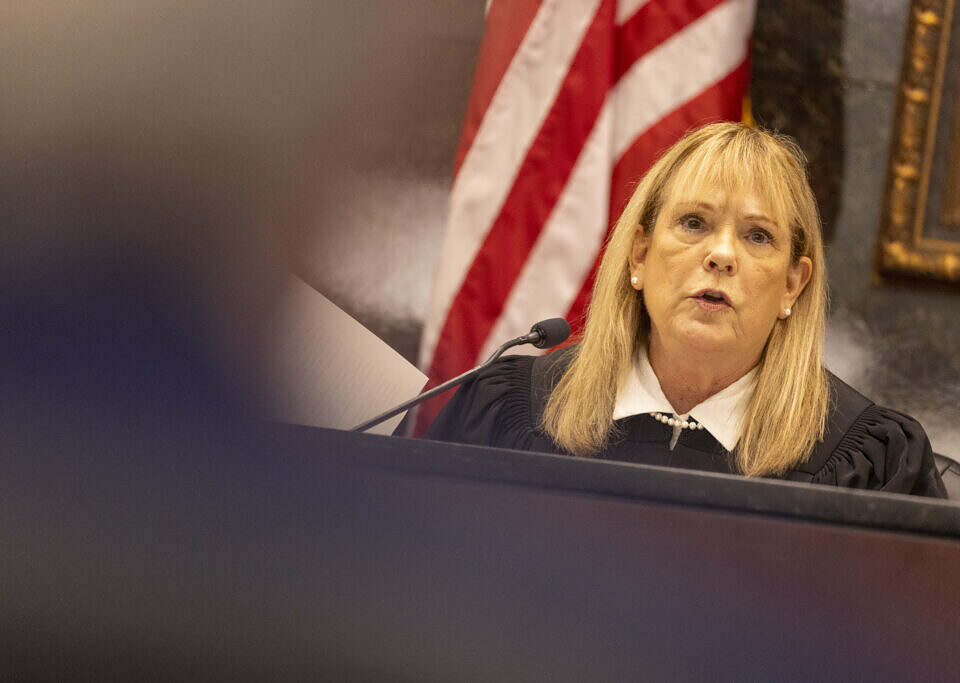
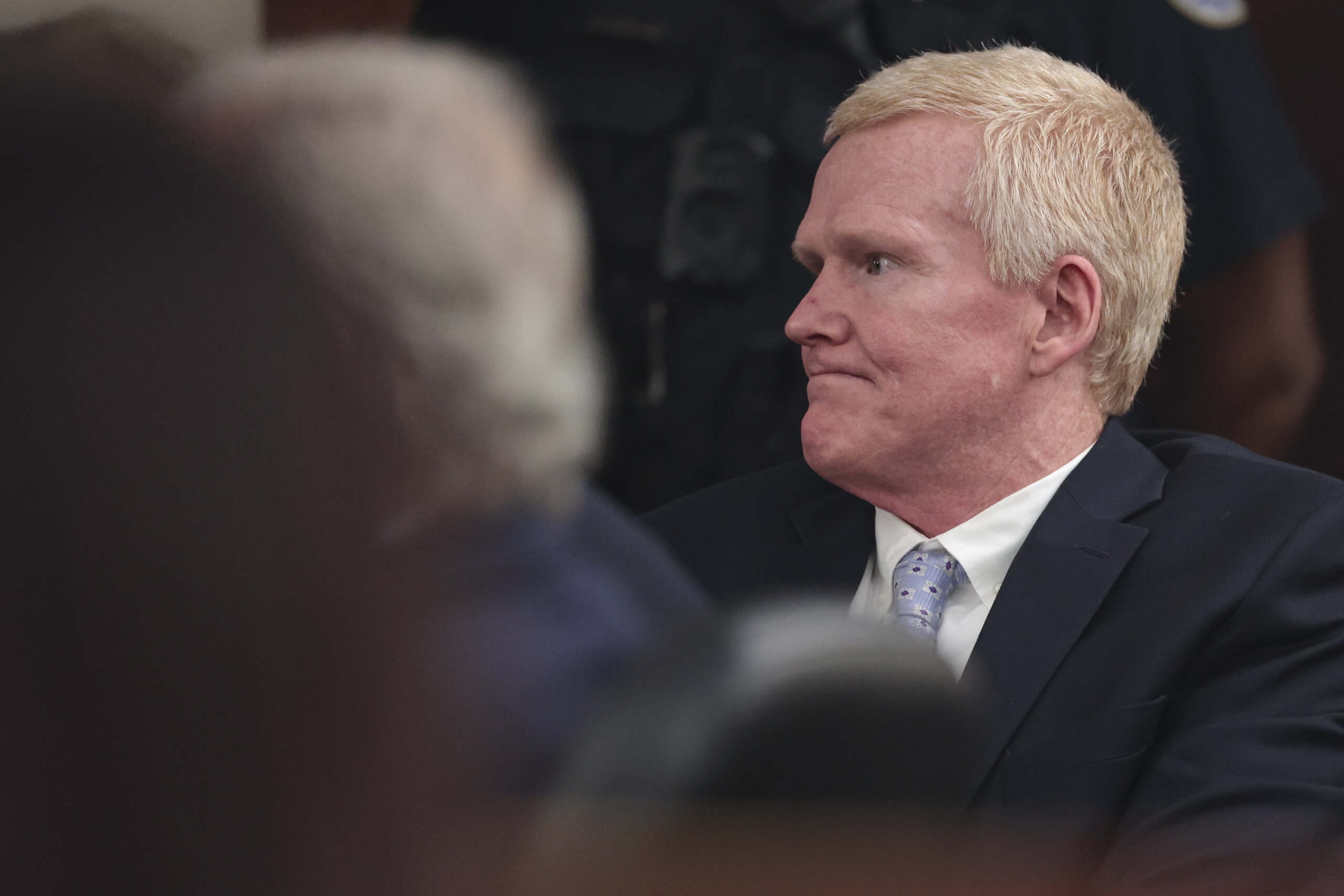
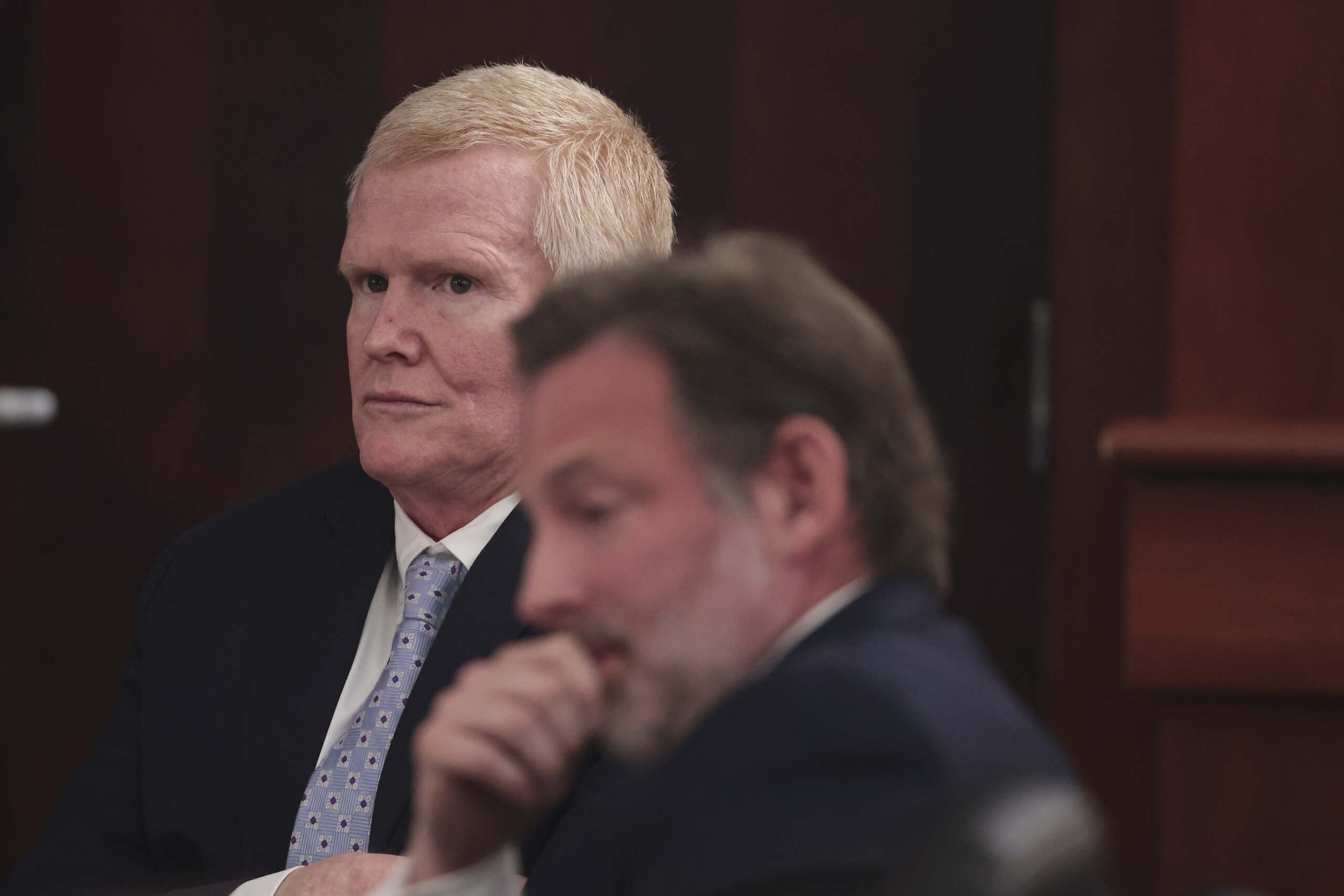
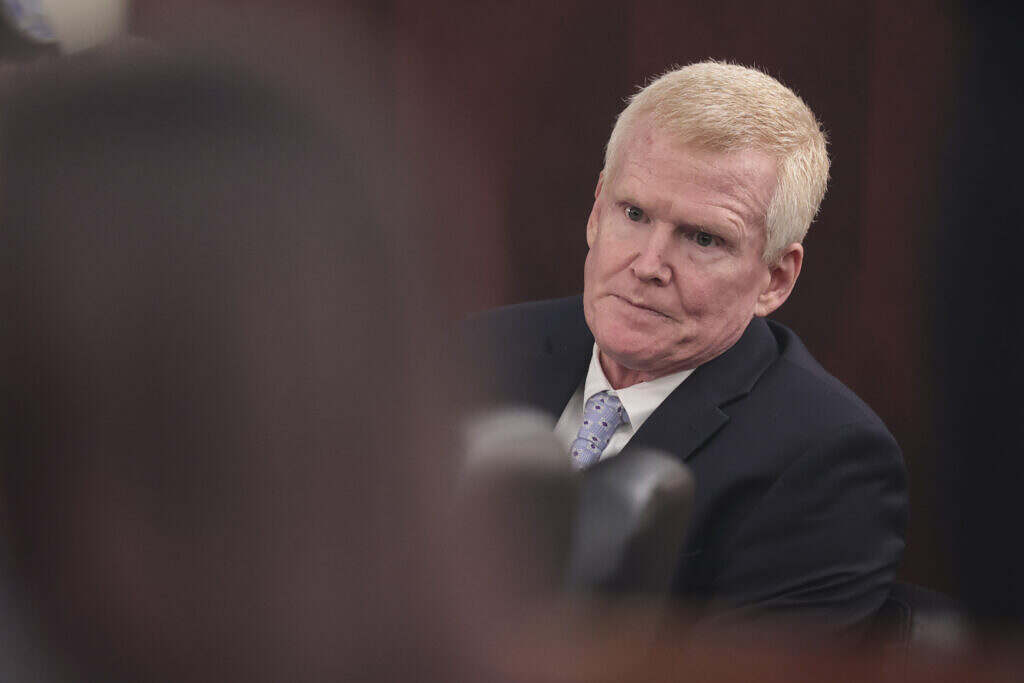
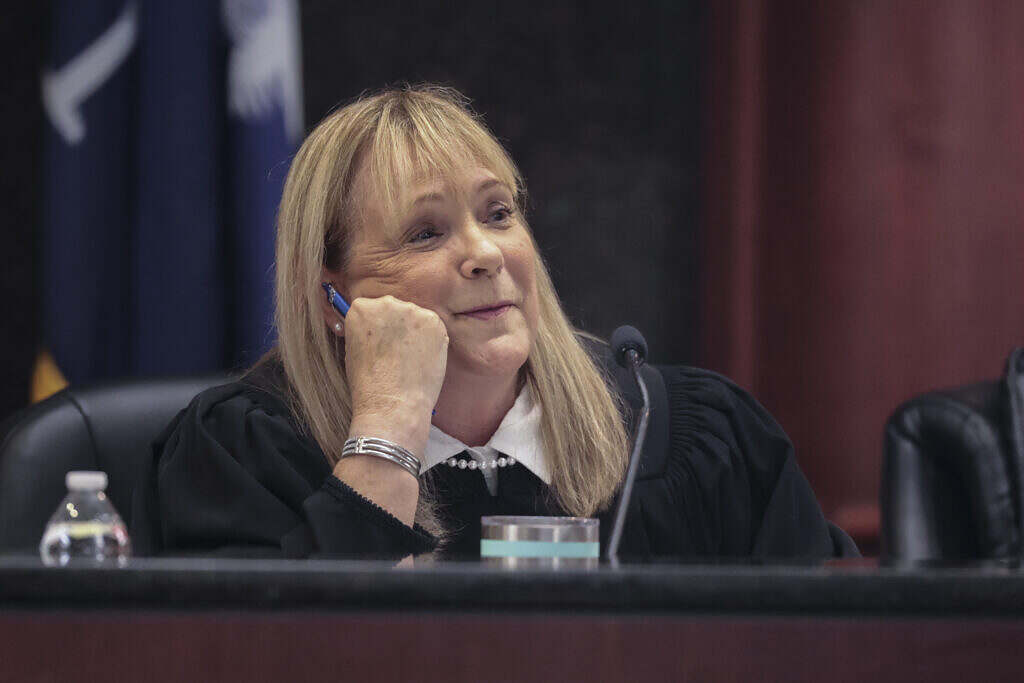
During a contentious Friday (October 16, 2026) hearing in Lexington S.C., circuit court judge Debra McCaslin directed prosecutors to provide original crime-scene scan data, addressed continuing cellphone discovery disputes and warned attorneys for both sides that their increasingly testy personal exchanges needed to stop.
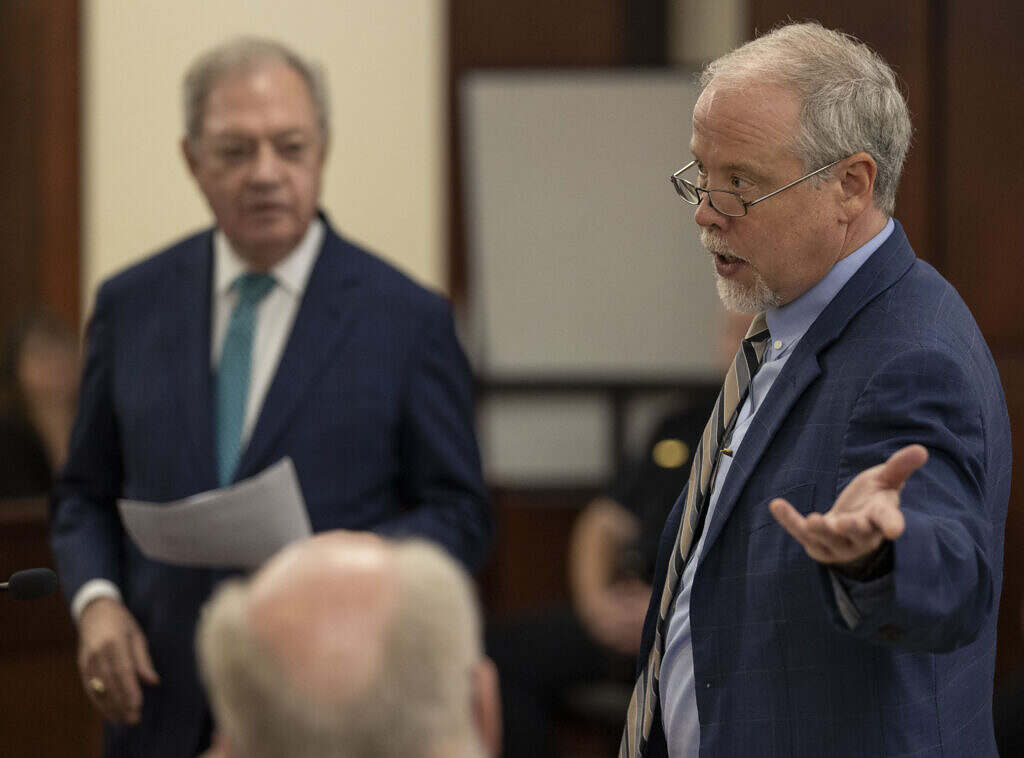
The hearing also yielded a previously undisclosed investigative revelation: defense attorney Dick Harpootlian described a 2021 interview in which a federal inmate allegedly told investigators about prescription pill transactions involving Curtis “Eddie” Smith – and an outstanding drug debt attributed to the Murdaughs.
With proceedings threatening to careen off the rails, the presiding judge found herself repeatedly dropping the hammer. In addition to scolding attorneys from both sides, McCaslin forcefully brought the arguments back to an approaching deadline: Murdaugh’s retrial is scheduled to begin April 5, 2027, in Sumter County.
“This trial is going April 5th whether you like it or not,” she said.
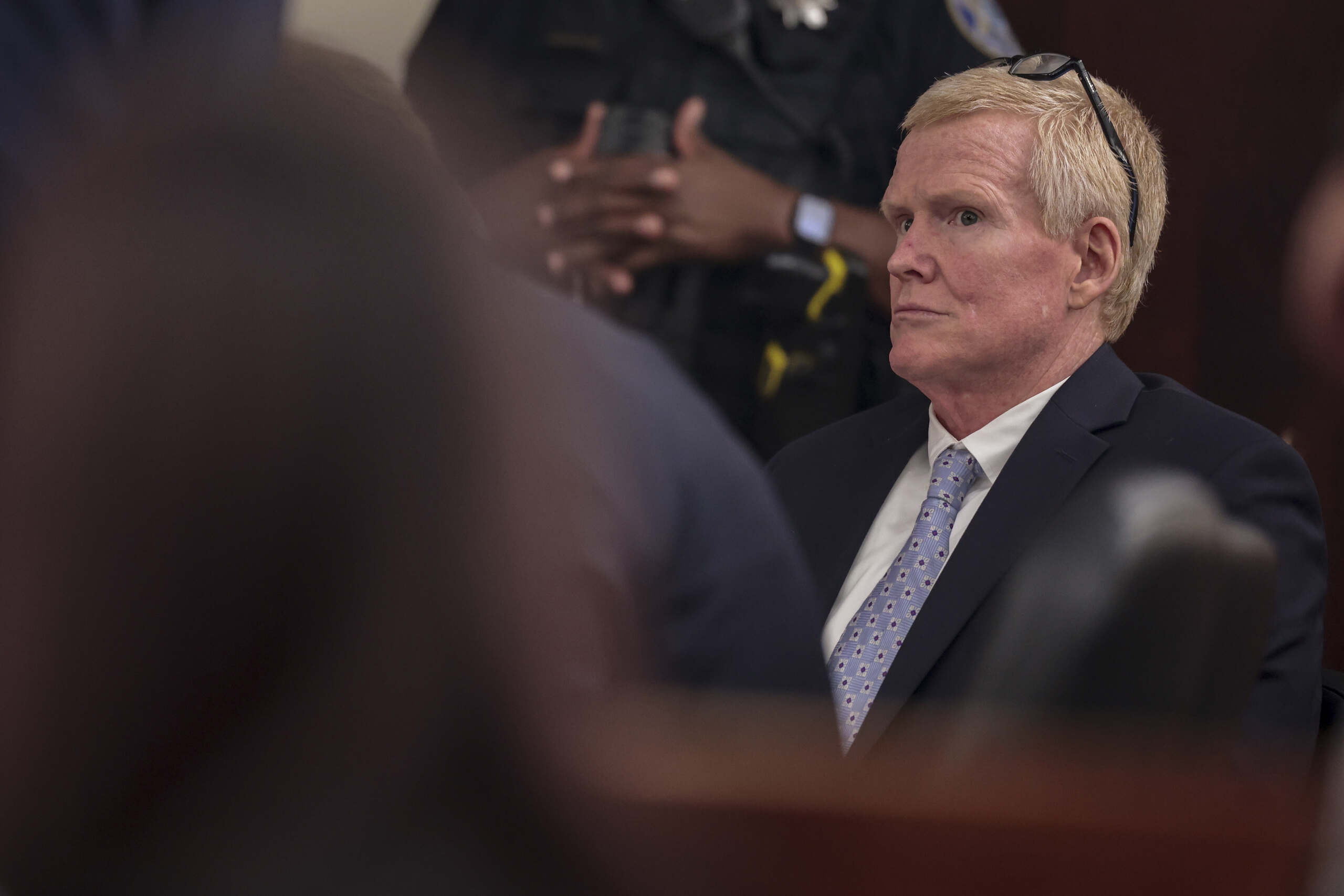
Murdaugh was convicted of the murders of his wife, 52-year-old Maggie Murdaugh, and younger son, 22-year-old Paul Murdaugh, and sentenced to life in prison following a six-week trial in Walterboro, S.C. in early 2023. Those convictions were reversed, however, after the S.C. supreme court found numerous issues with the conduct of the trial – including allegations of jury tampering and potential jury rigging. Murdaugh is scheduled to be tried a second time in Sumter, S.C. next spring.

***
DNA: PERMISSION TO TEST
The most consequential ruling Friday allowed the defense to proceed with independent DNA testing involving material from Maggie Murdaugh’s fingernails and cellphone, even though the testing could consume the remaining material needed for another round of analysis.
Defense attorney Phillip Barber argued that the underlying laboratory data revealed unidentified male genetic material that warranted further examination. He sought independent Y-STR testing of three samples to determine whether results from the phone and both hands could be compared.
The defense’s argument concerned a possible connection among those samples. It has not established that the same unidentified man contributed DNA to all three locations.
Barber argued that finding a common contributor could be significant to the defense, particularly if that contributor could be distinguished from Murdaugh. He also acknowledged other possible explanations for unidentified DNA, including the possibility of contamination during handling.
“We’re talking about the state’s leftovers,” Barber said, arguing investigators had already had years to perform the testing they wanted.
Lead prosecutor Creighton Waters said the state was willing to allow independent testing. The dispute, he maintained, concerned the test’s anticipated consumption of limited, previously untested reserve material – and whether both sides would receive the results.
***
RELATED | SECRECY, SCIENCE AND A FLOOD OF FILINGS
***
“We’re not trying to stand in the way of anything,” Waters said.
Waters also disputed the defense’s characterization of the existing cellphone results, maintaining no profile suitable for comparison had been developed from the material at issue.
McCaslin concluded the defense was entitled to proceed with the testing. The potential to identify people connected to the evidence was relevant, she said, and Murdaugh was entitled to a meaningful opportunity to present his defense.
“This is a really important case,” she said. “They have every right to test it — and I’m going to let them test it.”
Because the testing could exhaust the available material, McCaslin addressed the possibility that it would prevent later testing in post-conviction proceedings. Murdaugh affirmed that he would waive further testing of the material in that setting.
The judge declined to require advance disclosure of the defense’s testing results simply because prosecutors wanted access to them. She instructed the defense that scientific reports it intended to introduce would have to be disclosed under reciprocal discovery requirements.
“Get it done,” she said.
***
A NEW NAME IN THE MURDAUGH CASE
***
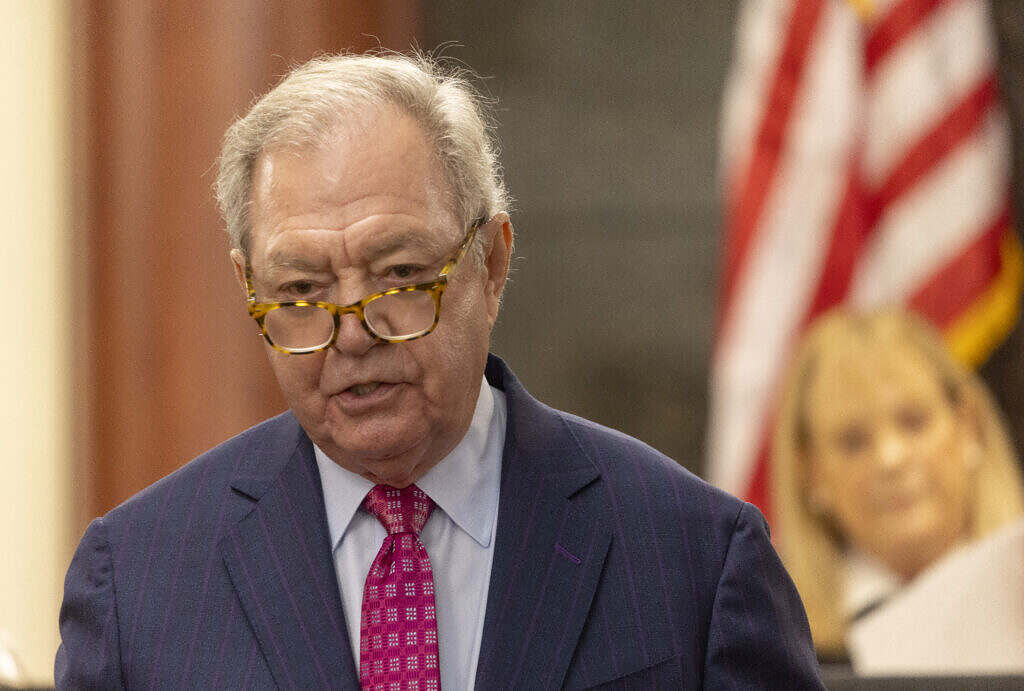
An argument over discovery broadened when Harpootlian described material he said the defense received shortly before the first trial and was unable to fully review until afterward.
Among those records, he said, was a report of a September 15, 2021 interview with Ryan Spencer North, whom he described as a federal defendant and drug dealer.
According to Harpootlian’s account, North said he was making $15,000 to $20,000 a week supplying prescription pills through Curtis “Eddie” Smith, who represented that the transactions involved the Murdaugh family and its law firm. Harpootlian acknowledged that North had never met the Murdaughs himself.
Smith — widely known as “Cousin Eddie” — was a longtime Murdaugh associate and former legal client whom Murdaugh’s attorneys publicly identified as his opioid supplier. Smith disputed that characterization. Murdaugh previously represented him in a personal injury lawsuit.
Smith also became a central figure in the September 4, 2021 roadside shooting near Varnville, S.C. In that incident. Murdaugh told investigators he arranged for Smith to kill him so his surviving son, Buster Murdaugh, could collect life insurance proceeds. Smith disputed that account, maintaining that the gun discharged while he tried to take it from Murdaugh.
The interview Harpootlian described on Friday occurred eleven days after that roadside incident.
Harpootlian said North’s account included an alleged $165,000 outstanding debt and references to a drug group. He argued the information warranted investigation of a possible drug-related explanation for Maggie and Paul’s killings.
***
***
The distinction between what North allegedly knew firsthand – and what Smith allegedly told him – is central to that account. Nothing presented in court on Friday established that the law firm purchased pills, accumulated a debt or that any of the allegations were tied to the murders.
Federal records reviewed by FITSNews provided additional background on North, including a separate fraud prosecution case in which he cooperated with investigators.
A June 2018 federal forfeiture order recorded that North pleaded guilty in August 2017 to conspiracy to commit mail fraud and bank fraud. The docket reflected a sentence of 12 months and a day in prison, five years of supervised release and $106,001.72 in restitution owed jointly with a co-defendant.
In a July 2018 sentencing motion, North’s attorney said he began assisting the government after receiving a target letter in January 2015. The attorney said North identified participants in the scheme, participated in multiple debriefings and wore a wire to help SLED recover stolen heavy equipment.
That filing described cooperation in the separate fraud investigation. It did not substantiate the allegations Harpootlian recounted Friday about Smith or the Murdaughs.
Waters challenged the defense’s broader portrayal of discovery production before the first trial. He said the cellphone extraction delivered shortly before jury selection had previously been provided and was produced again at the defense’s request.
McCaslin made clear she wanted the attorneys focused on preparing for the retrial.
“Quit telling me about stuff y’all did to each other in the first trial,” she said. “I don’t care about the first trial.”
***
BALLISTICS: A REQUEST REJECTED
***
The defense didn’t fare nearly as well on its request for ballistics evidence from other investigations involving .300 Blackout ammunition.
Harpootlian sought independent microscopic comparisons between cartridge cases from those shootings and evidence from Maggie Murdaugh’s killing. The defense also sought broader records concerning shootings and firearms across the Second and Fourteenth judicial circuits.
He argued that the absence of a lead from the national ballistics system did not settle whether an independent examiner might identify a connection. He also challenged the state’s portrayal of how commonly the ammunition was used.
Waters countered that the defense had identified no connection between the other shootings and the Moselle murders beyond ammunition type and a broad geographic area. He said the evidence had been entered into the national system without producing a hit and raised concerns about laboratory resources, chain of custody and access to evidence in ongoing investigations.
McCaslin questioned the factual basis for the request.
“It sounds like a fishing expedition,” she said.
Ultimately, she denied the broader request, finding it speculative and unsupported by a reasonable basis. She also declined to require SLED to undertake the extensive manual review sought by the defense.
The ruling left room for the defense to return to the issue if a material connection was developed.
The judge separately addressed Harpootlian’s request to examine the state’s claimed connection between cartridge cases near Maggie’s body and others recovered elsewhere at Moselle. She directed production of the available raw ballistics data and told the defense to review it with its expert before raising any additional needs.
***
SCANS, CELLPHONES AND SECRECY
***
The dispute over the original FARO crime-scene scans appeared closer to resolution.
Harpootlian said defense experts needed the underlying data to independently examine the state’s reconstruction. Waters said the raw-data request was new, that the defense previously received scans with viewing software and that he would provide the requested material Monday.
McCaslin urged the attorneys to communicate directly and resolve routine production questions without repeated motions.
The state also agreed to provide the disputed cellphone extraction files again. Waters maintained the material had already been produced multiple times and said he would impose more specific transfer procedures to document future deliveries.
“This will be time number five,” he said.
On the separate request for records concerning the alleged disposal of the murder weapons, McCaslin indicated agreement with the state’s position concerning grand jury secrecy. She also reminded Waters that any material triggering the prosecution’s constitutional disclosure obligations under Brady would have to be turned over.
She said she was privately reviewing personnel files and would communicate any resulting issues to the attorneys without discussing those records in open court.
***
‘CANDOR WITH THE COURT IS NOT OPTIONAL’
***
Before adjourning, McCaslin addressed an earlier defense statement that Murdaugh had passed a polygraph “with flying colors.”
The judge clarified that Murdaugh failed a polygraph concerning financial matters and had never undergone a polygraph concerning Maggie and Paul’s murders. She acknowledged receiving Harpootlian’s letter apologizing for confusion over the earlier statement.
Her warning extended to the attorneys’ conduct and filings.
“This is a court of justice — candor with the court is not optional,” she said.
“When you make a representation to this court, I expect it to be truthful and accurate.”
McCaslin said she was troubled by some filings and urged both sides to resolve disputes professionally.
“I will not allow these proceedings to become a circus,” she said. “I will not allow anyone to use this courtroom as a platform for publicity or theatrics.”
***
WHAT COMES NEXT
The next pretrial hearing is scheduled for November 13, when McCaslin said she wanted to address the defense’s motion to dismiss the indictments. She indicated the state’s motions concerning motive evidence and third-party guilt might be better addressed closer to trial.
Additional motions for the November hearing are subject to an October 30 filing deadline, with responses due November 6. McCaslin also reiterated a March 1, 2027 deadline concerning evidence from Murdaugh’s phone that the defense intended to use.
November’s hearing will be the last held in Lexington County. Subsequent hearings will take place in Sumter County, where McCaslin cited security, technology, infrastructure and cost among the reasons for selecting the retrial venue.
Future filings will move to Sumter beginning January 1, 2027. McCaslin also floated January 20 for a pretrial conference there.
Her message about the trial date was considerably less tentative.
“If something comes up missing,” she told the attorneys, “do not ask for a continuance. Because it’s not going to happen.”
***
ABOUT THE AUTHOR …

As a private investigator turned journalist, Jenn Wood brings a unique skill set to FITSNews as its research director. Known for her meticulous sourcing and victim-centered approach, she helps shape the newsroom’s most complex investigative stories while producing the FITSFiles and Cheer Incorporated podcasts. Jenn lives in South Carolina with her family, where her work continues to spotlight truth, accountability, and justice.
***
SOUND OFF…
Got something you’d like to say in response to one of our articles? Or an issue you’d like to address proactively? We have an open microphone policy! Submit your letter to the editor (or guest column) via email HERE. Got a tip for a story? CLICK HERE. Got a technical question or a glitch to report? CLICK HERE.
