***
Congress has set November 12, 2026 as the date to ban the synthetic cannabinoids sold at gas stations, and the same law strips federal protection from most naturally derived hemp products a month later, on December 11, 2026. Under that second deadline, Washington would treat the tested, labeled products South Carolina farmers and stores sell the same way it treats the lab-made chemicals lawmakers set out to stop.
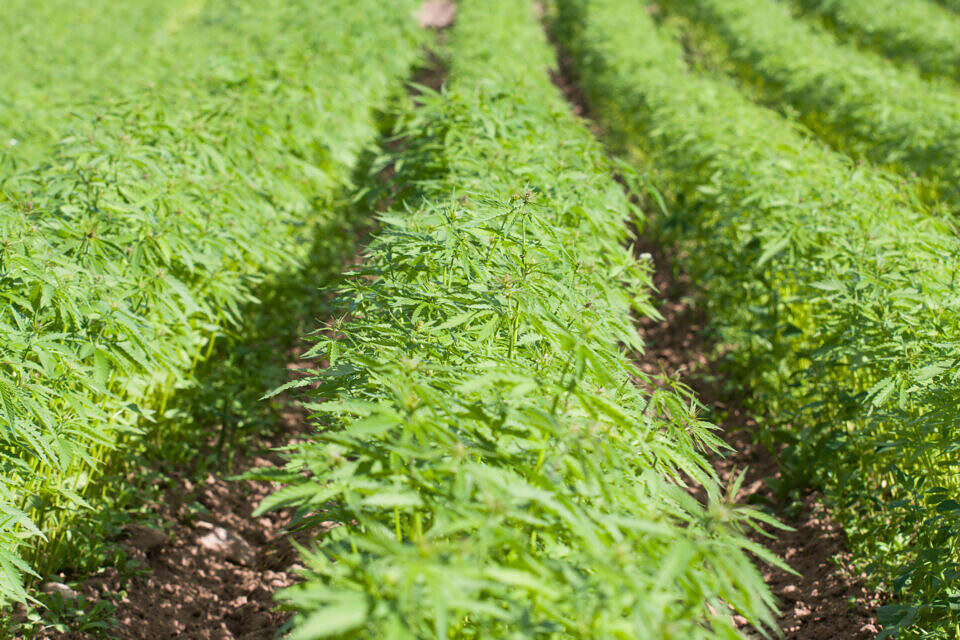
Our family farm near Central was one of the first twenty in South Carolina chosen for the state’s hemp pilot program in 2018. The S.C. Department of Agriculture (SCDA) called it a new opportunity for farmers to diversify, and Congress agreed later that year when it legalized hemp in the farm bill. We took the invitation seriously. We grow hemp for oil, we have spent years finding genetics that stay under the federal THC limit, and we obtained a 180,000-square-foot greenhouse in Travelers Rest to grow it.
Last November, Congress reversed course through language in the spending bill that ended the government shutdown, capping finished products at 0.4 milligrams of total THC per container. We have never made a gas station gummy. The oil from our plants goes into the CBD products families here rely on, and almost any product made from a real hemp plant carries more THC than that cap allows.

***
After December 11, it cannot be sold – and a crop with no legal buyer has no price. Nobody in South Carolina will buy another hemp license to grow one.
A farm can survive a bad price or a bad year. Last year we lost a quarter of our cattle to a blue-green algae bloom, and we got through it because neighbors pulled through the gate to help. A federal rule change with a hard date is different. No neighbor can fix it, and no amount of good farming gets you under a limit the plant itself cannot meet.
To be clear, we know for a fact what happens if this ban takes effect: kids who depend on CBD to get through the day are going to suffer. And we are 100 percent opposed to marijuana sold illegally and to the intoxicating products pushed across gas station counters. Anybody who tries to say a cattle farmer from Central is for gas station drugs has not been listening. Congress does not have to choose between going after bad actors and shutting down legitimate farms. That is the whole point of writing rules.
***
RELATED | S.C. FARMERS, TRUCKERS SEEK ‘RED DYE’ RELIEF
***
The U.S. Hemp Roundtable estimates the federal ban would remove more than 95 percent of hemp-derived products from the market, and the customers who buy them today would keep looking after December 11, at gas stations and online sellers who have never tested a batch. Hemp farmers and responsible companies have asked Congress for accredited lab testing, accurate labels, potency limits and a minimum age of 21, rules that let regulators go after bad actors while South Carolina farms keep operating.
Last fall I waited outside the late senator Lindsey Graham’s office in Pendleton to tell him that. He said he supported regulation, and so do I; regulation is exactly what we are asking for. Now senator Darline Graham, senator Tim Scott and South Carolina’s House members have until December 11 to replace the ban with that framework, and the farmers who answered the state’s call in 2018 will be watching to see whether Washington gives hemp a set of rules or a cutoff date.
***
ABOUT THE AUTHOR…
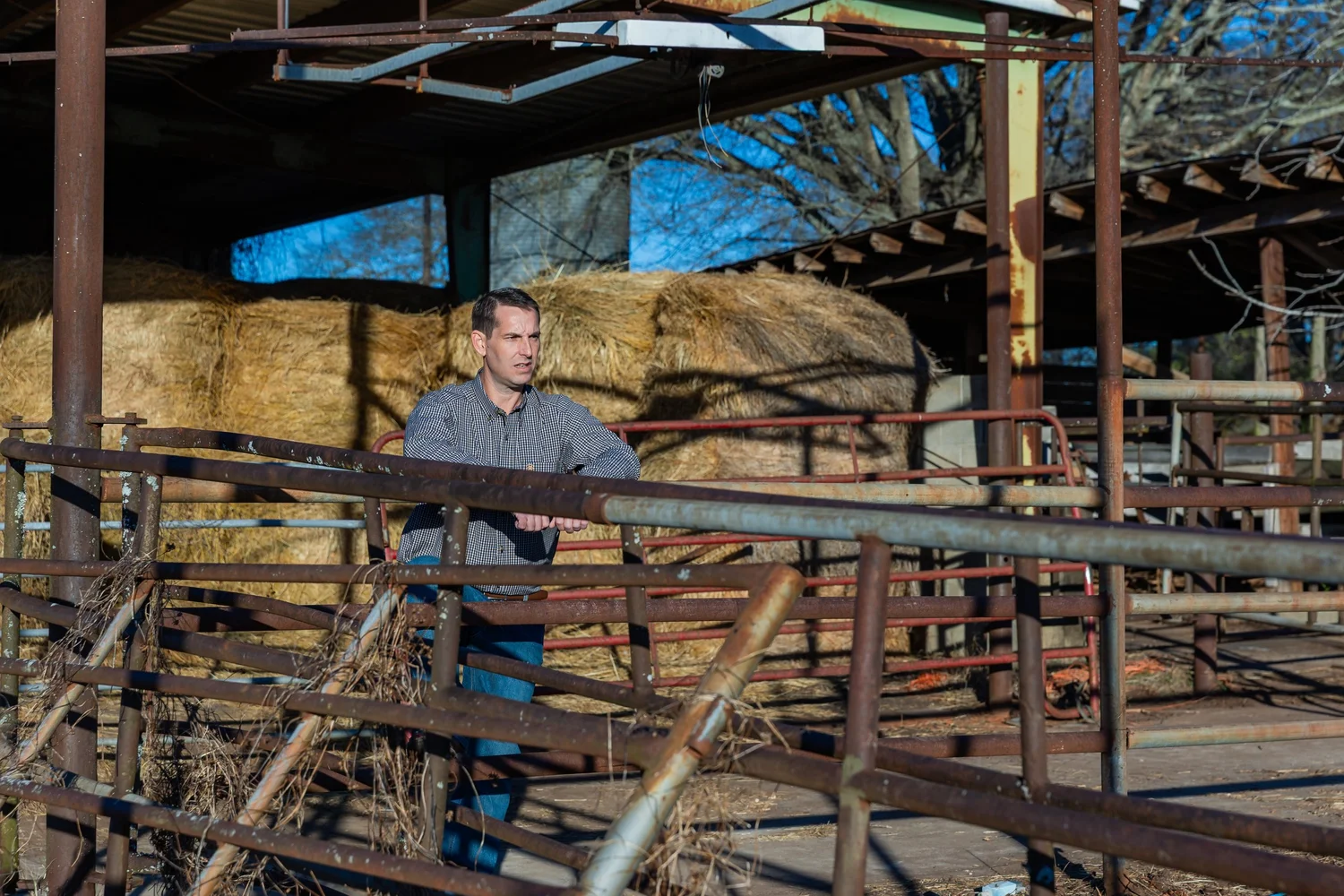
Danny Lee Ford II raises cattle and grows hemp on his family’s farms in Central and Travelers Rest and sought the Republican nomination for South Carolina Commissioner of Agriculture this year.
***
SOUND OFF…
Got something you’d like to say in response to one of our articles? Or an issue you’d like to address proactively? We have an open microphone policy! Submit your letter to the editor (or guest column) via email HERE. Got a tip for a story? CLICK HERE. Got a technical question or a glitch to report? CLICK HERE.
