

by JENN WOOD
***
Three years after North Carolina insurance adjuster Scott Spivey was shot and killed on a rural Horry County road, his family have taken allegations of police misconduct and preferential treatment tied to his case to federal court.
A 44-page civil rights lawsuit (.pdf) filed last week accused Horry County and thirteen current or former police officials of coordinating an effort to protect the two men who shot Spivey — including allegedly manipulating evidence, coaching witnesses and concealing misconduct that could affect the family’s pending wrongful death case.
The lawsuit was filed on September 8, 2026, in the Florence division of the U.S. District Court in South Carolina by Spivey’s sister, Jennifer Spivey Foley, in her capacity as personal representative of his estate. Spivey’s parents, Deborah Spivey and Byron Spivey, are also suing individually over the alleged mistreatment of their son’s remains.
Among those named as defendants are former Horry County Police Department (HCPD) deputy chief Brandon Strickland, former police chief Joseph Hill, former officer Damon Vescovi and ten additional officers and supervisors.
The federal complaint does not name Charles Weldon Boyd or Kenneth Bradley Williams — the two men who acknowledged firing the shots that killed Spivey — as defendants. Instead, it targets the officers and county officials the family contends used their public authority to shield Boyd and Williams from criminal and civil accountability.
“The civil-rights action arises from a coordinated misuse of Horry County law-enforcement authority,” the complaint alleged.
Horry County and HCPD have said they do not comment on pending litigation. No responses from the individual defendants had been publicly filed as of this writing.

***
THE SHOOTING — AND THE CALL TO A FRIEND
Spivey, 33, of Tabor City, N.C., was killed September 9, 2023, following a volatile highway encounter that began on Highway 9 and ended on Camp Swamp Road near the North Carolina border.
Boyd and Williams claimed Spivey was driving recklessly and brandishing a firearm. Instead of disengaging, however, they continued following him for miles — at times at speeds exceeding 100 mph.
During a 911 call, Boyd told a dispatcher he intended to remain behind Spivey and warned that if Spivey pointed a gun again, they would “put him down.” When Spivey turned onto Camp Swamp Road, Boyd and Williams followed.
The confrontation culminated in a barrage of gunfire. Spivey was fatally struck in the back. Neither Boyd, Williams nor Boyd’s truck was hit by a round from Spivey’s weapon.
Boyd and Williams maintained they fired in self-defense after Spivey pointed his weapon and shot first. The Spivey family has challenged that account, arguing physical evidence and independent witness testimony suggest Boyd and Williams opened fire before Spivey discharged his gun.
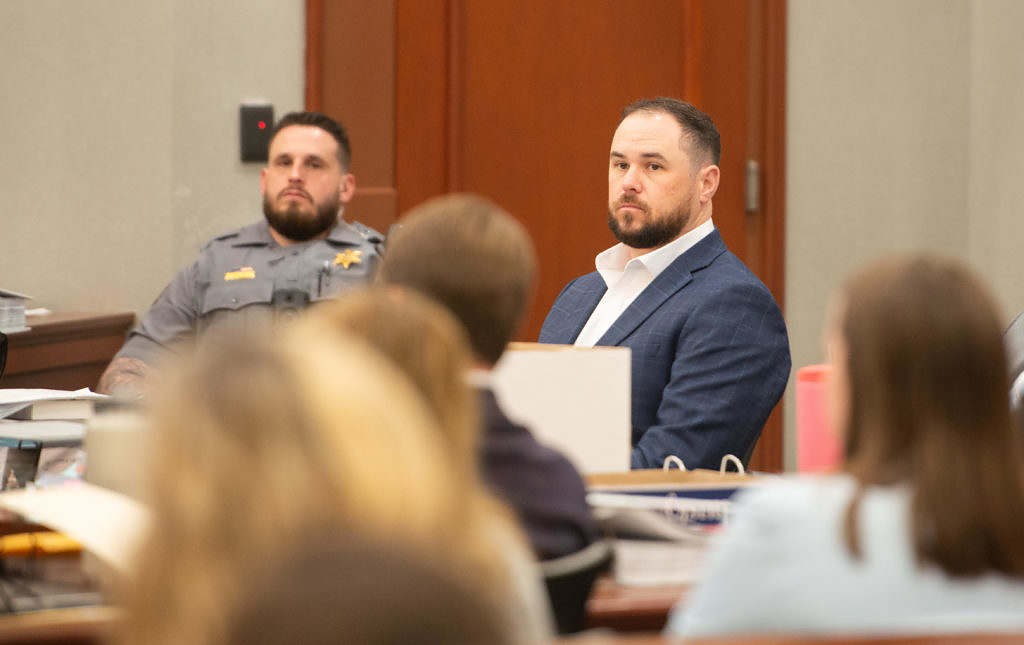
Within minutes of the shooting, Boyd called Strickland — then a high-ranking HCPD official with command authority over the department’s criminal investigations.
Boyd and Strickland were friends, according to the complaint and recorded calls later obtained during civil discovery. The lawsuit alleges Strickland immediately began using his position to influence the investigation and ensure officers sympathetic to Boyd responded to the scene.
Strickland allegedly told Boyd he had the “right” people coming and described the lead investigator as one of his “good ole boys.”
In subsequent recorded conversations, the lawsuit claims Strickland told Boyd he was working “in the shadows,” advised him to remain quiet until the case was closed as a justifiable homicide and assured him he had been “taken care of.”
The complaint also attributes a racially charged remark to Strickland, alleging he told Boyd he was “glad it was a white guy” who had been shot because the public perception would have been worse had Spivey been black.
Strickland resigned from HCPD in March 2025 after being confronted with the findings of an internal affairs investigation. His departure came shortly before the S.C. State Law Enforcement Division (SLED) publicly confirmed it was investigating possible officer misconduct connected to the Spivey case.
***
RELATED | the Prosecutorial Burden
***
“ACT LIKE A VICTIM”
The alleged effort to shape the case began at the shooting scene, according to the complaint.
The lawsuit accuses officers of failing to separate Boyd, Williams and other witnesses — allowing them to speak with one another and compare information before formal interviews were conducted.
Within minutes of arriving, Vescovi allegedly told Boyd he believed he and Williams would be “okay.” He then spoke with Boyd’s attorney and later held up a handwritten note for the shooters to read.
“Act like a victim. Camera,” the note stated.
According to the complaint, Vescovi attempted to position his body-worn camera so it would not capture the message — but inadvertently recorded it. Vescovi was terminated from HCPD in 2025 after the footage surfaced.
The family further alleges officers intentionally disabled body cameras or microphones while material events were unfolding, improperly allowed Boyd’s attorney to enter the crime scene and failed to seize phones and other electronic devices.
The complaint claims a tablet inside Boyd’s truck may have contained a recording of the pursuit or shooting but was never seized, even though investigators had obtained a warrant covering electronic devices.
It also alleges Boyd’s and Williams’ firearms were returned without being processed by SLED and that electronic communications between the men were destroyed or altered before their devices were secured.
Other allegations focus on the way investigators presented Spivey’s actions before the shooting.
***
RELATED | JUDGE DENIES IMMUNITY
***
Detective John Sotile is accused of retrieving only part of approximately seven hours of surveillance footage from Boardwalk Billy’s, the North Myrtle Beach restaurant where Spivey spent part of the day.
The selected footage allegedly portrayed Spivey as heavily intoxicated while omitting material showing he remained at the restaurant for an extended period, ate food and purchased some drinks for another patron.
Sotile testified about that surveillance effort during the February 2026 immunity hearing in the family’s separate wrongful-death case.
The new complaint also alleges certain videos were mislabeled in the investigative file, that Boyd’s recorded calls were concealed and that the crime-scene entry log disappeared — only to be “found” nearly two years later after the family began asking questions and an internal investigation had been opened.
Perhaps the most serious new allegation is that officers planted a bottle of anabolic steroids inside Spivey’s truck to reinforce a narrative that he was intoxicated, using performance-enhancing drugs and acting aggressively.
No steroids were identified in Spivey’s toxicology results, according to the filing.
That assertion has not been proven, and the complaint does not identify direct evidence establishing who allegedly placed the bottle in the truck.
***
ALLEGED MISTREATMENT OF SPIVEY’S BODY
***
Spivey’s parents are asserting a separate constitutional claim arising from the mishandling of their son’s remains.
Instead of removing Spivey’s body at the scene, officers had his truck towed to the M.L. Brown Jr. Public Safety Building with his body still inside.
An HCPD officer testified during the February immunity hearing that the unusual decision was made because an approaching storm threatened to disturb evidence. That officer also testified she had never seen a body transported inside a vehicle in that manner during her six years with the agency.
The federal complaint offers a far more disturbing interpretation.
It alleges officers deliberately allowed Spivey’s body to remain inside the truck in extreme heat, believing the exposure could artificially elevate his blood-alcohol reading and produce evidence helpful to Boyd and Williams in future litigation.
The complaint further alleges the truck’s broken rear window was left unsecured, creating an access point through which steroids could be placed inside without disturbing evidence tape on the doors.
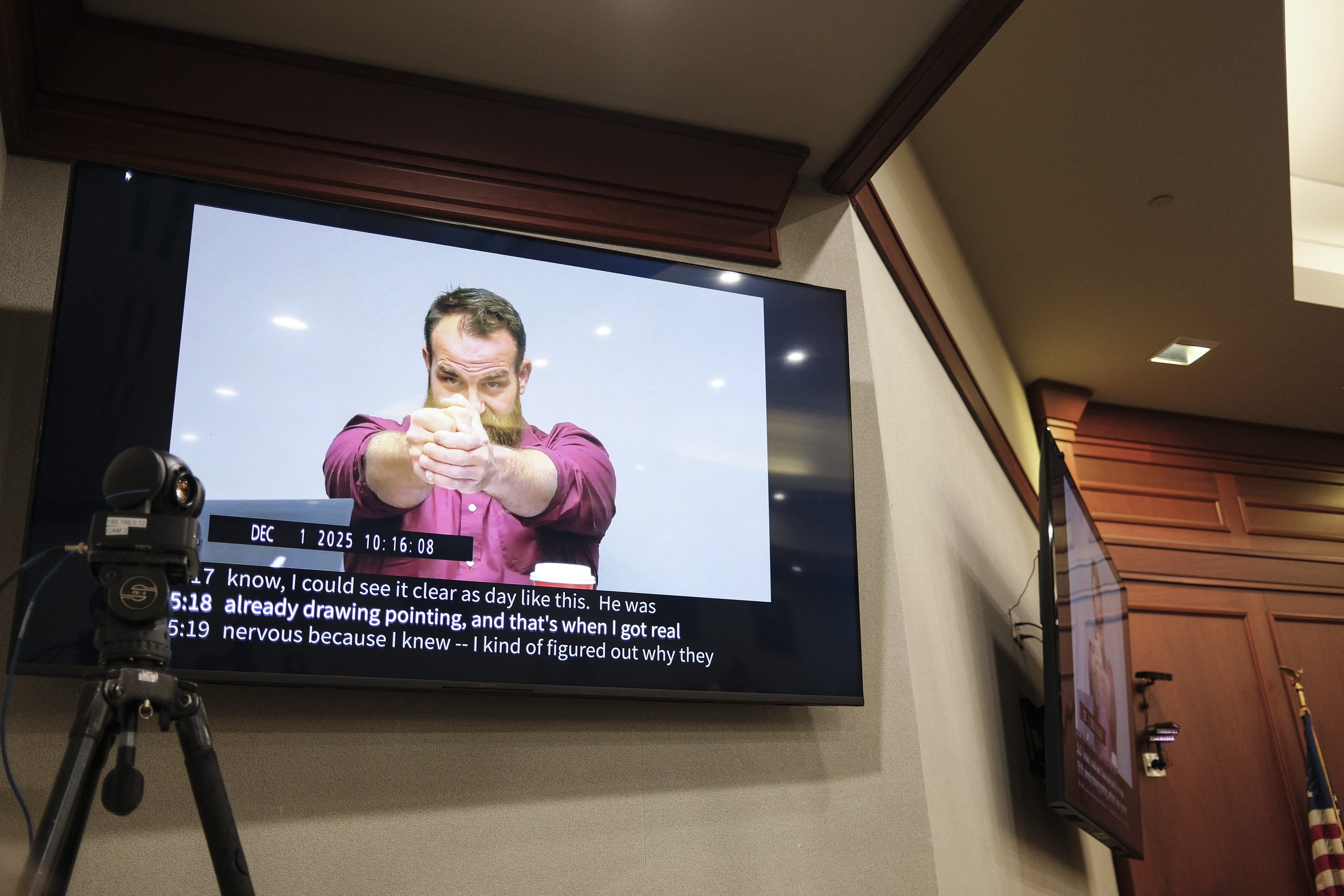
According to the lawsuit, video recorded at the public safety building showed Spivey’s body being violently thrown around inside the truck as the vehicle was unloaded.
His parents later viewed that footage.
The complaint also claims officers discussed ensuring the family was never told that Spivey’s body had been left in the truck during the tow.
Deborah and Byron Spivey contend this treatment deprived them of their legally recognized interest in the custody, protection and dignified disposition of their son’s remains. They allege the episode caused emotional injuries separate from the grief associated with Spivey’s death.
***
TWO CASES — AND AN ONGOING CRIMINAL REVIEW

***
This federal action is separate from the wrongful-death and survival lawsuit Foley filed against Boyd and Williams in Horry County circuit court in June 2024.
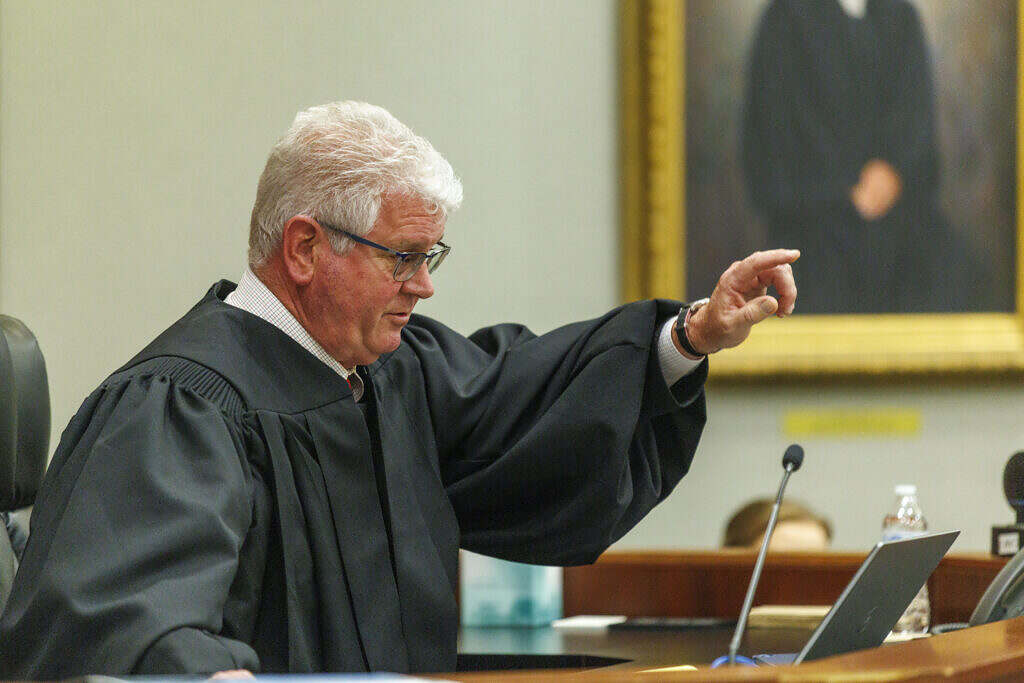
Earlier this year, both men asked S.C. circuit court judge Eugene C. Griffith Jr. to grant them civil immunity under South Carolina’s Protection of Persons and Property Act — commonly known as its “Stand Your Ground” law.
Following a four-day evidentiary hearing, Griffith denied Boyd’s immunity claim after questioning his credibility and his decision to continue pursuing a driver he knew was armed.
Griffith later issued a detailed order denying Williams’ claim as well.
Those decisions did not establish that either man is civilly liable for Spivey’s death. They mean only that Boyd and Williams failed to prove their entitlement to immunity and that the wrongful-death litigation may proceed.
Both defendants unsuccessfully sought reconsideration of the rulings.
The investigation also remains under criminal review. The fifteenth circuit solicitor’s office initially recused itself, and the S.C. attorney general’s office declined prosecution in April 2024 based on the evidence presented at the time.
After previously undisclosed recordings and allegations of police misconduct emerged through civil discovery, the case was assigned to seventh circuit solicitor Barry Barnette for an independent review. Evidence relating to both the shooting and HCPD’s handling of the investigation has been presented for state grand jury consideration.
The federal complaint argues the alleged misconduct forced the Spivey family to spend years and incur substantial expenses uncovering evidence that should have been properly collected, preserved and disclosed by police.
Its claims are brought under 42 U.S.C. § 1983 and include alleged obstruction of meaningful access to the courts, supervisory liability against former chief Hill, municipal liability against Horry County and deprivation of the parents’ protected interest in their son’s remains.
To hold the county itself liable, the family must establish more than misconduct by individual employees. Under the U.S. Supreme Court’s Monell standard, plaintiffs must connect the alleged constitutional violation to an official policy, established custom, failure of supervision or decision by an official possessing final policymaking authority.
The complaint attempts to make that connection by alleging Horry County tolerated an institutional culture in which command personnel could steer investigations for personal reasons, protect favored individuals and violate evidence and body-camera policies without meaningful discipline.
It specifically cites prior internal investigations involving Vescovi, along with alleged failures by HCPD leadership to intervene after warning signs emerged in the Spivey investigation.
The family is seeking compensatory damages, punitive damages against the individual defendants, attorneys’ fees and a jury trial. No specific dollar amount is identified.
***
THE COMPLAINT…
Subscriber-only document
This PDF is available to FITSNews subscribers. Get full access and be able to view documents like this one.
Subscribe for accessAlready a subscriber? Log in here
***
ABOUT THE AUTHOR …
As a private investigator turned journalist, Jenn Wood brings a unique skill set to FITSNews as its research director. Known for her meticulous sourcing and victim-centered approach, she helps shape the newsroom’s most complex investigative stories while producing the FITSFiles and Cheer Incorporated podcasts. Jenn lives in South Carolina with her family, where her work continues to spotlight truth, accountability, and justice.
***
SOUND OFF…
Got something you’d like to say in response to one of our articles? Or an issue you’d like to address proactively? We have an open microphone policy! Submit your letter to the editor (or guest column) via email HERE. Got a tip for a story? CLICK HERE. Got a technical question or a glitch to report? CLICK HERE.
