

by ERIN PARROTT
***
South Carolina residents across the Midlands have felt the ground move several times in recent weeks – part of a growing pattern of small earthquakes rattling communities near Lake Murray, Irmo, Lexington and Columbia.
The recent tremors follow a series of similar events reported last month – and are part of a broader trend of earthquake swarms occurring across the Palmetto State in recent years. These swarms have many residents wondering whether these vibrations are harbingers of more intense shaking to come.
According to University of South Carolina seismologist Dan Frost, the phenomenon is not unusual – even in a state far removed from major tectonic plate boundaries.
“There are earthquakes in the state of South Carolina… there are earthquakes all over the country and all over the world,” Frost told FITSNews.
While most people associate earthquakes with places like California, Frost said seismic activity occurs along the entire East Coast – albeit typically at much smaller magnitudes.

***
WHAT IS AN EARTHQUAKE SWARM?
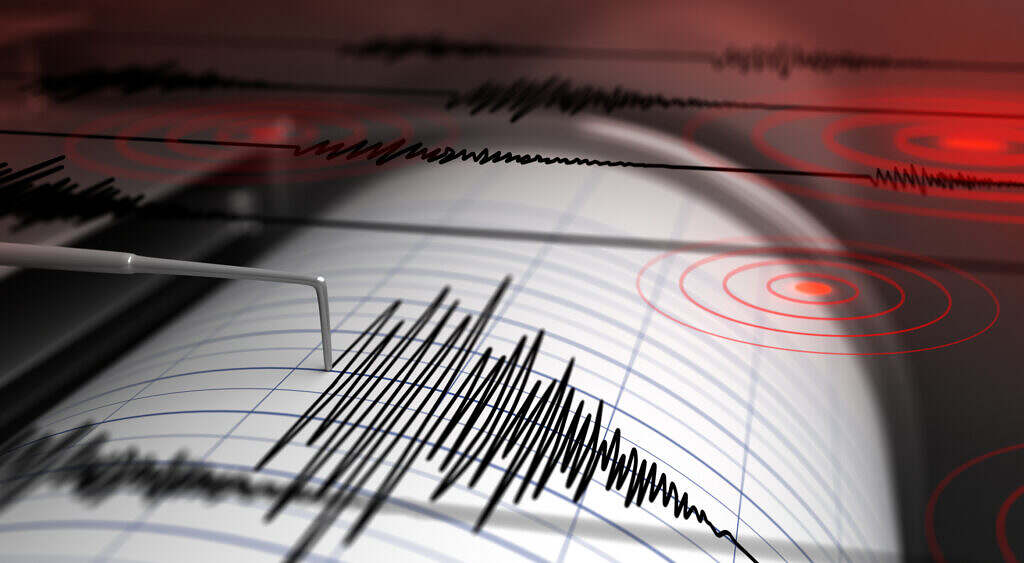
The recent Midlands activity is classified as an earthquake swarm, meaning several small quakes occur within a short time frame without a single dominant event.
“A swarm is a collection of small earthquakes where there is no clear main earthquake followed by aftershocks – everything is about the same size,” Frost said.
South Carolina has experienced several notable swarms in recent years – including clusters near Elgin beginning in 2021, earthquakes around Lake Greenwood in 2025, and the more recent activity near Lake Murray and Monticello.
Despite the uptick in activity, Frost emphasized that swarms do not necessarily indicate a larger quake is coming.
“In most circumstances, swarms are isolated,” said Frost. “Small earthquakes have preceded larger ones in some places around the world – but in many cases they lead to nothing.”
Unlike the West Coast, the southeastern United States sits far from major tectonic plate boundaries.
Instead, Frost said earthquakes in South Carolina likely occur along ancient geological weaknesses created when the Appalachian Mountains formed roughly 300 million years ago.
“Earthquakes occur along lines of weakness – places where it’s easier to break the rock,” Frost said.
When stress builds up along those old faults, even minor shifts can produce measurable tremors.
***

RELATED | ‘EARTHQUAKE SWARM’ RATTLES SOUTH CAROLINA
***
CAN HUMANS CAUSE EARTHQUAKES?
Some earthquakes are triggered by human activity – such as wastewater injection from oil drilling operations – but Frost said that’s not the case in South Carolina.
However, the state’s large reservoirs could play a role.
“When you block up a river and suddenly a large weight of water accumulates on top of the land, everything within the earth reshuffles a little bit,” Frost said.
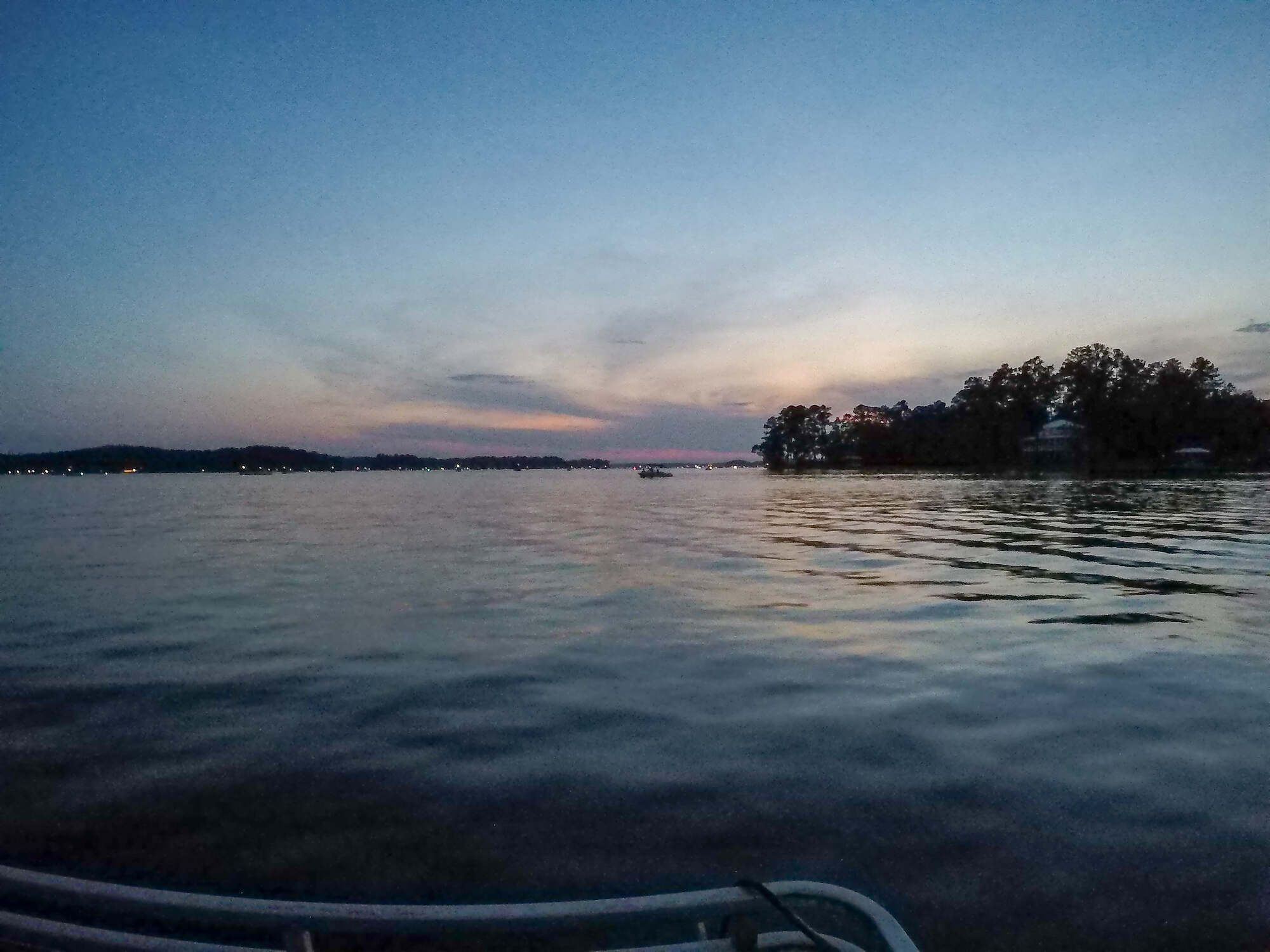
That phenomenon – known as reservoir-induced seismicity – may help explain swarms near lakes such as Greenwood, Monticello and Murray.
***
***
WHY SOME PEOPLE FEEL EARTHQUAKES – AND OTHERS DON’T
Many Midlands residents reported feeling the recent tremors – while others nearby noticed nothing at all.
According to Frost, several factors influence whether shaking is noticeable, including soil conditions and building materials.
Soft sediments can amplify shaking, while structures built directly on solid bedrock tend to experience less movement.
“If you’re on softer ground, the wave slows down and increases in amplitude – meaning the shaking can feel stronger,” Frost said.
Most earthquakes recorded in South Carolina register between a magnitude of two and three, which are typically not strong enough to cause structural damage.
***
RELATED | SOUTH CAROLINA SHAKEUP
***
Serious damage generally begins around a magnitude of five, Frost noted – an event nearly 900 times more energetic than a magnitude three earthquake. That means the recent Midlands tremors fell well below the threshold for widespread structural concern.
One historical exception remains the 1886 Charleston earthquake, one of the largest ever recorded in the eastern United States.
Researchers estimate quakes of that size occur in the region roughly every 500 years based on geological evidence.
“Stress builds slowly along faults until it overcomes the friction holding them in place,” Frost said. “Then it slips – and that’s the earthquake.”
***
A COMMON MISCONCEPTION
According to Frost, the biggest misconception about earthquakes in places like South Carolina is that they shouldn’t happen here at all.
“People tend to associate earthquakes as being catastrophic from somewhere else,” Frost said. “But earthquakes occur everywhere… it’s just how the Earth works.”
For now, scientists continue monitoring seismic activity through the South Carolina Seismic Network (SCSN), which operates thirteen seismometers across the state and feeds data to the U.S. Geological Survey (USGS) for analysis.
As Midlands residents continue to feel occasional tremors, experts say the best approach is simple: monitor the data and keep learning from each quake.
And as Frost noted, predicting earthquakes remains beyond the reach of modern science.
“Anyone who claims they can forecast earthquakes,” said Frost, “isn’t being honest.”
For now, scientists say the recent tremors appear to be part of South Carolina’s ongoing pattern of small earthquake swarms – a reminder that even far from major fault lines, the Palmetto State’s ground is not entirely still.
Count on FITSNews to continue tracking seismic activity across the Midlands as scientists monitor the latest earthquake swarm and work to better understand what’s causing the Palmetto State’s recent shakeups.
***
ABOUT THE AUTHOR…

Erin Parrott is a Greenville, S.C. native who graduated from the University of South Carolina in 2025 with a bachelor degree in broadcast journalism. Got feedback or a tip for Erin? Email her here.
***
SOUND OFF…
Got something you’d like to say in response to one of our articles? Or an issue you’d like to address proactively? We have an open microphone policy! Submit your letter to the editor (or guest column) via email HERE. Got a tip for a story? CLICK HERE. Got a technical question or a glitch to report? CLICK HERE.

1 comment
Its the gold mine, yall.