
by JENN WOOD
***
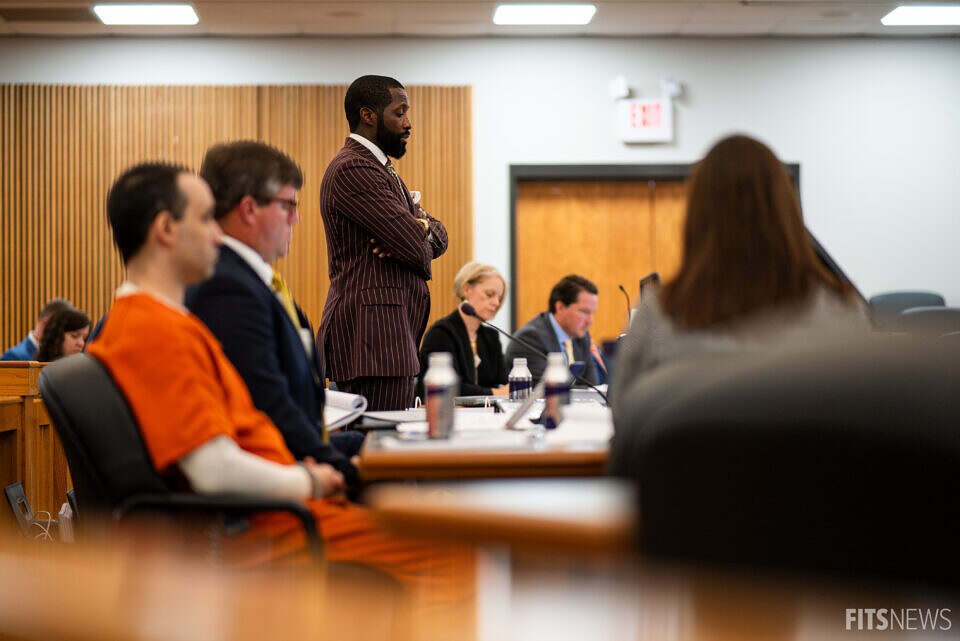
A major evidence ruling has brought Rosmore “Ross” Vilardi‘s upcoming quadruple murder trial to a grinding halt before it could even begin — with South Carolina prosecutors immediately appealing a judge’s decision to exclude evidence central to their case.
S.C. circuit court judge Jane Merrill granted a defense motion on Friday (October 9, 2026) challenging the search warrants investigators used to enter the single-wide mobile home Vilardi shared with his wife, Amy Vilardi, on Refuge Road near Pendleton, S.C. in the fall of 2015 after the brutal quadruple homicide.
Amy Vilardi was previously found guilty of the murders of her mother, 60-year-old Cathy Scott; her stepfather, 58-year-old Terry Michael “Mike” Scott; her grandmother, 82-year-old Violet Taylor; and her step-grandmother, 80-year-old Barbara Scott.
The ruling marks a significant pretrial victory for Vilardi’s defense team, led by attorney Shaun Kent. It could also have a significant impact on his wife’s appeal of her convictions.
Merrill’s ruling suppresses cash recovered from the residence, text messages concerning the couple’s finances and photographs from Ross Vilardi’s cellphone related to the prosecution’s footwear evidence.
Prosecutors told the court they could not proceed without the suppressed evidence – and served an immediate notice of appeal, putting the trial proceedings on hold while they challenge Merrill’s decision.
The ruling represents a significant setback for a prosecution built in part around allegations that the Vilardis killed four members of Amy’s family for money. It also shifted the next fight from an Anderson County courtroom to the S.C. Court of Appeals.

***
TWO HOMES, ONE ADDRESS
The dispute centers on what investigators knew — and what they told the magistrates who authorized the searches — in the hours after the victims were discovered on November 2, 2015.
The property at 2217 Refuge Road in Pendleton contained two separate homes: the double-wide mobile home where the four victims were found and a single-wide behind it where Amy and Ross Vilardi lived.
According to the defense, Amy called 911 at approximately 12:30 p.m. EDT to report finding the bodies. Deputies arrived shortly afterward, established a crime-scene perimeter and began obtaining search warrants. The defense emphasized that the double-wide was inside that perimeter. The couple’s single-wide was not.
Investigators nevertheless obtained warrants to search both residences, relying on identical probable-cause language in the initial affidavits, according to the motion.
Those affidavits described the discovery of four people with apparent gunshot wounds inside the double-wide. They also noted that the person who reported the deaths lived in the single-wide and had entered the victims’ home before calling law enforcement.
What they did not explain, the defense argued, was why those facts gave investigators reason to believe evidence of the killings would be found inside the couple’s separate residence.
“There was nothing in the affidavit suggesting suspicious circumstances about the discovery of the bodies,” Kent argued. “There was nothing in the affidavit suggesting that the reporting of the crime was suspicious.”
In fact, according to Kent, the conduct described in the affidavits — discovering bodies and reporting them — was precisely what authorities would expect someone in that situation to do.
A second set of affidavits added that the male victim dealt in gold and jewelry and typically kept a large amount of cash, according to neighbors. The corresponding warrants expanded the property sought to include gold, money and legal tender. But Kent maintained that addition still failed to establish a factual connection between the killings and the Vilardis’ home.
***
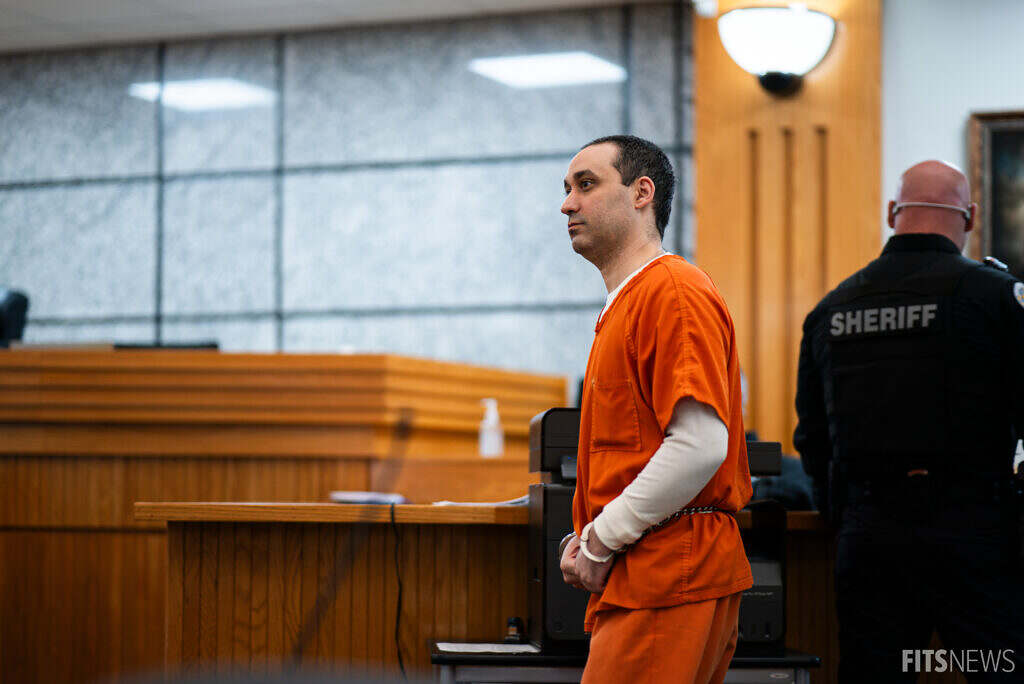
RELATED | Ross Vilardi’s Attorneys Challenge Key Evidence
***
THE EVIDENCE AT STAKE
The consequences extend well beyond a dispute over the wording of a warrant. Investigators recovered approximately $68,003 from the Vilardis’ single-wide. Prosecutors have treated the couple’s possession of cash, their financial circumstances and their communications as important pieces of the alleged motive. The defense has disputed the state’s contention that money found in their home was taken from the victims.
Merrill’s ruling excluded the cash recovered through the challenged searches, along with the financial text messages and cellphone photographs covered by the suppression decision.
The photographs matter because prosecutors have sought to connect Ross Vilardi to footwear evidence from the crime scene. Suppressing the images removes material prosecutors intended to use in presenting that connection; it does not, by itself, establish that every item of footwear evidence has been excluded.
The defense motion sought suppression of both evidence seized from the single-wide and evidence derived from those searches. Its argument was that the warrants lacked the probable cause required by the federal and state constitutions.
Merrill granted the motion. Prosecutors’ immediate response underscored how consequential that decision was: senior assistant deputy attorney general Heather Weiss told the court they could not move forward without the evidence.
***
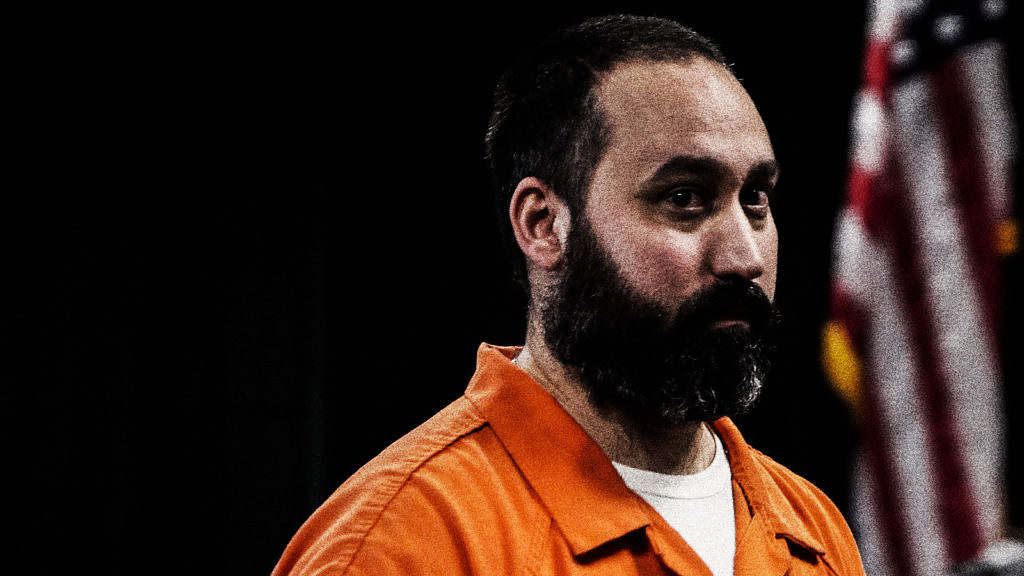
RELATED | Ross Vilardi Launches Sweeping Challenge to Evidence
***
AN IMMEDIATE APPEAL
Prosecutors are seeking a review of Merrill’s decision via an interlocutory appeal — an appeal of a ruling before the criminal case reaches a verdict.
South Carolina courts permit prosecutors to appeal a pretrial suppression order that significantly impairs a criminal prosecution. Under the state’s appellate rules, a prosecution appeal automatically stays further proceedings in the trial court. That means Ross Vilardi’s trial is now on hold while the suppression dispute moves through the appellate process.
Friday’s ruling does not dismiss the four murder charges against Vilardi. The immediate question is whether Merrill’s decision excluding the evidence will stand.
Meanwhile, Amy Vilardi’s appeal is pending separately. Friday’s ruling in her husband’s case does not have any immediate impact on her convictions – although it could bolster the likelihood they are thrown out on appeal.
For Ross Vilardi, however, the immediate impact is substantial: the trial has stopped, and evidence prosecutors described as essential to proceeding is now the subject of an appellate fight.
***
ABOUT THE AUTHOR …
As a private investigator turned journalist, Jenn Wood brings a unique skill set to FITSNews as its research director. Known for her meticulous sourcing and victim-centered approach, she helps shape the newsroom’s most complex investigative stories while producing the FITSFiles and Cheer Incorporated podcasts. Jenn lives in South Carolina with her family, where her work continues to spotlight truth, accountability, and justice.
***
SOUND OFF…
Got something you’d like to say in response to one of our articles? Or an issue you’d like to address proactively? We have an open microphone policy! Submit your letter to the editor (or guest column) via email HERE. Got a tip for a story? CLICK HERE. Got a technical question or a glitch to report? CLICK HERE.
