

|
Getting your Trinity Audio player ready...
|
by JENN WOOD
***
By this point, there is little dispute that polychlorinated biphenyls — better known as PCBs — exist within parts of the Catawba-Wateree river basin.
The harder question is the one driving both a federal lawsuit and a proposed state investigation into contamination concerns surrounding Duke Energy‘s stewardship of Lake Wateree, one of South Carolina’s most picturesque lakes.
Can anyone definitively prove where these PCBs came from?
That question sits at the center of the increasingly complex legal and scientific battle. And despite growing public attention surrounding that fight, the answer remains far from settled.
PCBs are synthetic industrial chemicals once widely used in electrical equipment, hydraulic systems, transformers, industrial oils, paints, sealants and other commercial applications because of their unusual chemical stability. They resisted heat, did not easily burn and were highly effective as insulating compounds — making them especially valuable in electrical infrastructure throughout much of the twentieth century. But those same characteristics later made them a major environmental concern.

***
Unlike many pollutants that naturally break down over time, PCBs persist in water, soil and sediment for decades. Once released into the environment, they tend to bind to sediment and organic material, allowing them to remain embedded in aquatic ecosystems long after their original use has ended.
They also bioaccumulate — meaning concentrations increase as they move through the food chain.
Small organisms absorb PCB particles from sediment and water. Fish then consume those organisms, and larger fish consume smaller fish, causing concentrations to increase over time in predatory species often consumed by humans. That’s why fish consumption advisories tied to PCB exposure are frequently one of the clearest warning signs of contamination within lakes and river systems.
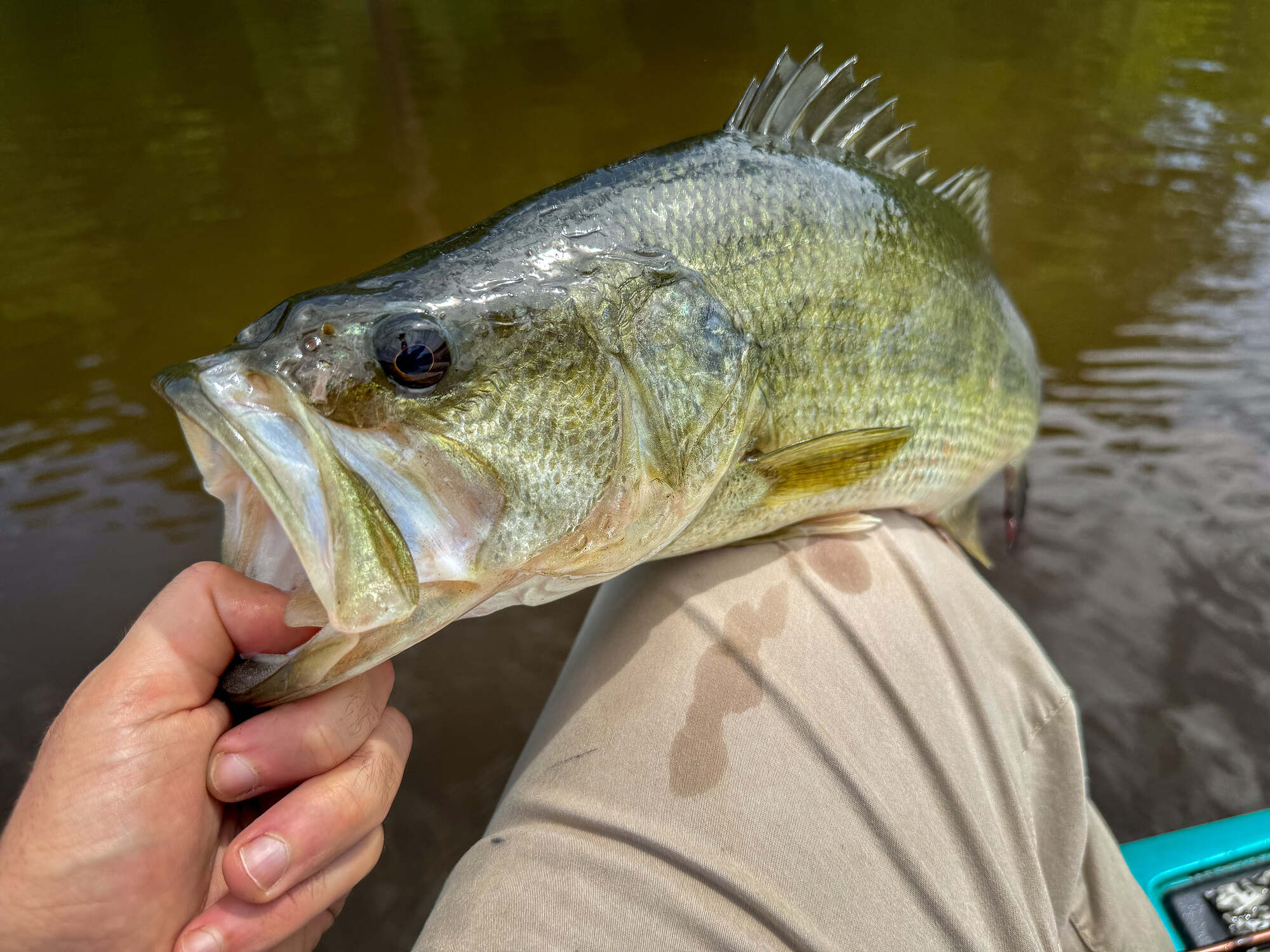
Lake Wateree has long had such advisories in place for several fish species, including largemouth bass, striped bass, catfish and black crappie.
***
***
The human health concerns associated with PCB exposure are significant enough that the chemicals were banned from domestic manufacture in the United States in 1979. According to the Environmental Protection Agency (EPA), studies have linked PCB exposure to a range of potential health effects, including cancer, immune system suppression, liver damage, reproductive issues and developmental problems in children. Long-term exposure has also been associated with neurological effects and endocrine disruption.
The greatest risk for most people typically comes not from casual contact with contaminated water, but from consuming contaminated fish over extended periods of time.
That distinction matters in places like Lake Wateree, where fishing is deeply tied to recreation, tourism and generational family traditions.
Importantly, however, the existence of fish advisories and PCB contamination does not automatically establish the source of contamination.
Where the PCBs originated, how they entered the Lake Wateree ecosystem and who, if anyone, bears responsibility for them are among the questions now being raised in both federal court and the broader public debate surrounding Lake Wateree.
***
RELATED | WHAT’S REALLY HAPPENING AT LAKE WATEREE?
***
THE PLAINTIFFS’ THEORY
Plaintiffs in a federal class-action lawsuit (.pdf) argue the contamination is tied to decades of mosquito-control operations conducted as part of Duke Energy’s management of the Catawba-Wateree hydroelectric system.
Their theory is not centered on a single spill, isolated discharge or catastrophic dumping event. Instead, plaintiffs allege contamination accumulated gradually over generations through repeated seasonal spraying operations carried out across large portions of the lake system.
As FITSNews detailed in a previous installment of this series, former workers described applying oil mixtures along stagnant shoreline areas and mosquito breeding habitats for years — in some cases allegedly involving transformer oil, used motor oil and other petroleum-based substances.
Those allegations are now being reinforced by historical operational records and internal Duke documents filed in the litigation.
One company history of Duke’s mosquito-control program stated that fuel oil served as the program’s primary larviciding material during its early decades. Another World War II-era company summary described Duke officials obtaining substitute oils during wartime shortages — including used crankcase oil, pump drip oil and transformer oil — for use within the mosquito-control program.
Additional spray logs filed as exhibits appear to document mosquito-control operations on Lake Wateree itself, including boat routes, oil usage and treatment areas.
Plaintiffs argue those records support a broader narrative that the mosquito-control program was not sporadic or experimental, but rather a systematic operational practice conducted over decades across Duke-managed reservoirs.
***
Donald Hinson & Butch Williams Win CATT Lake Wateree, SC Spring Final 19.13 lbs – Click ? to see photos & results – https://t.co/eNDVnHYwVg pic.twitter.com/YXmiK4827H
— The Bass Cast ??? (@BassCastNews) April 15, 2026
***
Supporting that theory is a 2021 scientific study (.pdf) cited in the litigation that studied PCB contamination patterns throughout South Carolina waterways. Researchers suggested historical mosquito-control practices involving used transformer oil may explain contamination patterns in reservoirs where no obvious industrial discharge source has been identified.
Importantly, the study specifically identified Duke-operated reservoirs within the Catawba-Wateree system as fitting that pattern.
According to plaintiffs, that distinction matters because contamination patterns associated with repeated applications over time can differ significantly from those associated with a one-time industrial spill.
Repeated seasonal applications across decades could potentially create diffuse sediment contamination spread throughout shoreline environments, shallow coves and aquatic food chains — eventually affecting fish tissue, wildlife and adjacent waterfront properties.
But plaintiffs argue the implications extend beyond recreation and shoreline ownership.
***

***
Lake Wateree is also part of a broader regional water system that supports public water supplies, including the city of Camden and surrounding communities. While the lawsuit does not allege unsafe drinking water conditions, plaintiffs contend the lake’s role as both a recreational resource and public utility magnifies the significance of unresolved contamination questions.
A singular spill, by contrast, often produces a more concentrated and geographically identifiable contamination signature.
Plaintiffs also argue the long-term nature of PCB persistence strengthens their theory of the case.
Because PCBs do not readily degrade, chemicals introduced into sediment decades ago may still remain embedded in the lake ecosystem today — particularly in slow-moving shoreline environments where mosquito spraying operations allegedly occurred most heavily.
That persistence, plaintiffs contend, helps explain why fish advisories tied to PCB contamination have remained in place in portions of the Catawba-Wateree basin for years despite the passage of time.
And ultimately, the plaintiffs’ argument is not simply that mosquito-control operations occurred.
It is that the operational practices documented in Duke’s own historical records may help explain contamination patterns that, according to plaintiffs, have never been fully accounted for through any other clearly identified source.
***
THE DEFENSE RESPONSE
Duke Energy, however, is not conceding the plaintiffs’ theory of the case.
In fact, recently filed summary judgment motions (.pdf) and supporting exhibits reveal the company is mounting a broad defense that challenges not only the lawsuit’s scientific conclusions, but also its timeline, causation arguments and claims of property damage.
One of Duke’s central arguments is that PCB contamination in Lake Wateree cannot be definitively traced to the company’s mosquito control program.
In court filings, experts retained by Duke Energy argued that available environmental data — including PCB levels detected in fish tissue — is insufficient to identify a specific contamination source within the lake.
That distinction is critical, because proving contamination exists is not the same as proving who caused it.
Duke’s filings repeatedly emphasize the complexity of the broader Catawba-Wateree watershed — a river basin spanning thousands of square miles and shaped by more than a century of industrial, municipal and agricultural activity. In deposition testimony, Duke Energy managing director Jeff Lineberger noted the watershed feeding Lake Wateree covers approximately 4,750 square miles — larger than Delaware and Rhode Island combined.
The company also disputed one of the lawsuit’s most inflammatory allegations: that PCB-contaminated transformer oil was knowingly sprayed into the lake.
In its motion for summary judgment, Duke argued plaintiffs have “no forensic evidence” connecting PCBs found in Lake Wateree fish to materials used in the mosquito-control program and “no evidence that any PCB-contaminated transformer oil was ever sprayed on Lake Wateree.”
***
Lake Wateree is facing new scrutiny.
— Jennifer Wood (@IndyJenn_) May 5, 2026
A federal lawsuit and a legislative push are raising questions about long-standing PCB contamination — and whether it traces back to decades-old practices.
The chemicals are there.
The source? Still in dispute.
This is the first story in… pic.twitter.com/o79VNAjHWB
***
At the same time, Duke’s own filings acknowledge the extensive history and scale of the mosquito-control program itself. Internal company documents submitted as exhibits described the program as beginning in 1923 in response to malaria concerns associated with impounded reservoirs throughout the Southeast. According to those records, crews used fuel oil for larviciding operations for decades before later transitioning to different materials.
Other records from World War II-era operations reference substitute oils — including crankcase oil, pump drip oil and transformer oil — being incorporated into the program because standard larvicide oils had become difficult to obtain during wartime shortages.
Additional spray logs and operational records filed by Duke appear to document boat routes, oil usage and mosquito-control activity around Lake Wateree.
But Duke argues the existence of those historical practices does not establish legal causation for modern contamination levels. In fact, the company frames the mosquito-control program as a longstanding public-health initiative developed to combat malaria and other mosquito-borne diseases associated with reservoir systems in the southeastern United States. Internal program histories describe the effort as one of the nation’s longest-running mosquito-control operations continuously maintained by a corporation.
Duke also argues the plaintiffs’ claims are legally flawed for additional reasons beyond causation.
The company contends the lawsuit was filed too late because fish advisories and public reporting about PCB contamination in Lake Wateree have existed for years. It also argues plaintiffs cannot show actual PCB contamination on their individual properties or demonstrate measurable property damage tied specifically to Duke Energy’s conduct.
That means the legal fight unfolding in federal court is no longer simply about whether PCBs exist in Lake Wateree. It is becoming a much broader battle over historical industrial practices, environmental science, regulatory responsibility and whether contamination in a complex watershed can ever be traced cleanly to a single source or actor.
***
RELATED | LAKE WATEREE INVESTIGATION
***
THE PROPERTY VALUE QUESTION
The scientific dispute is not the only battle taking shape inside the litigation. The lawsuit also claims PCB contamination has diminished shoreline property values and interfered with homeowners’ use and enjoyment of the lake.
But Duke’s experts are contesting that claim, as well. In a separate expert report filed in the case (.pdf), real estate and environmental economics consultant Christina Brunk argued that any potential impacts may vary substantially from property to property depending on contamination levels, location and other site-specific conditions.
That issue could prove critical as plaintiffs seek class-action certification. To proceed collectively, plaintiffs must show their claims share enough common legal and factual issues to justify treatment as a single class.
If impacts differ significantly between properties, that argument becomes more difficult.
For residents around Lake Wateree, however, the technical arguments unfolding inside court filings often translate into far more practical concerns.
Can people safely eat fish from the lake?
Has contamination affected property values?
Will the lake require remediation at some point?
And perhaps most importantly:
Who is ultimately responsible for finding answers?
Those questions have only intensified as state lawmakers push for a formal investigation into the contamination’s origin. If approved, that inquiry would direct South Carolina regulators to examine historical operational practices, contamination pathways and potential responsible parties — including whether Duke Energy or its predecessors bear any liability.
That means the scientific debate now unfolding in federal court may soon expand into a broader public and regulatory fight. And while the competing theories remain unresolved, it’s clear Lake Wateree is the epicenter of an escalating battle over science, accountability and public trust.
***
ABOUT THE AUTHOR …

As a private investigator turned journalist, Jenn Wood brings a unique skill set to FITSNews as its research director. Known for her meticulous sourcing and victim-centered approach, she helps shape the newsroom’s most complex investigative stories while producing the FITSFiles and Cheer Incorporated podcasts. Jenn lives in South Carolina with her family, where her work continues to spotlight truth, accountability, and justice.
***
SOUND OFF…
Got something you’d like to say in response to one of our articles? Or an issue you’d like to address proactively? We have an open microphone policy! Submit your letter to the editor (or guest column) via email HERE. Got a tip for a story? CLICK HERE. Got a technical question or a glitch to report? CLICK HERE.

1 comment
From shortly after the creation of the lake to the mid 1980s, from the upper dam all the way to Charlotte there were several very large textile and industrial facilities, all with heavy machinery that use who-knows what chemicals, oils, and additives. Back in those days people dumped their liquid waste into the rivers with nary a concern for what harm it might cause. Duke probably had some degree of contribution, but this is where greedy plaintiffs and their lawyers will attempt to concentrate almost all causation on the back of Duke – because they are the only ones left standing after all those other facilities closed their doors decades ago- then exaggerate the degree of harm, and in the long run screw the people owning property on the lake for the next decade or so because the demand for their property will fall off a cliff.