
by JENN WOOD
***
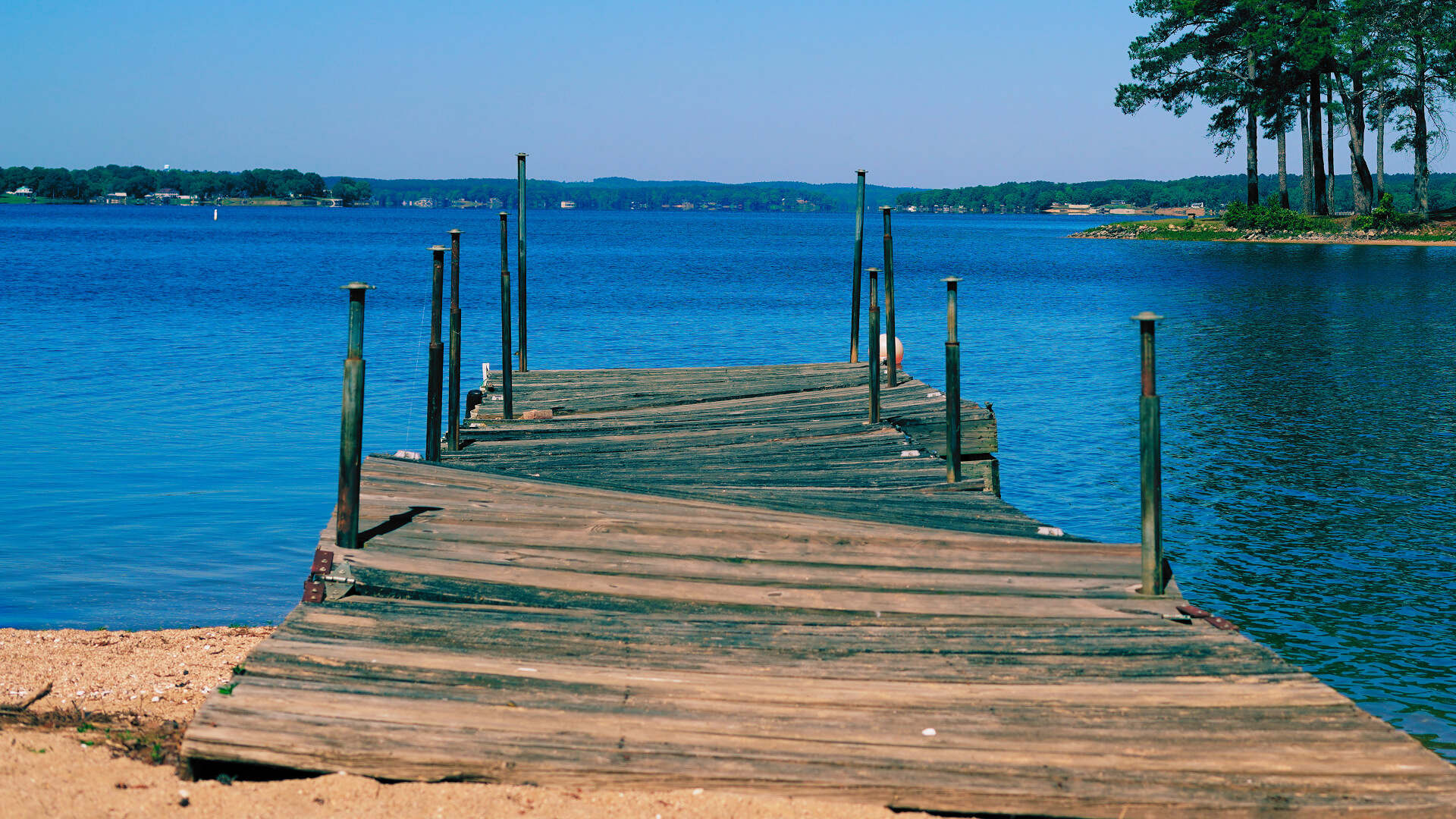
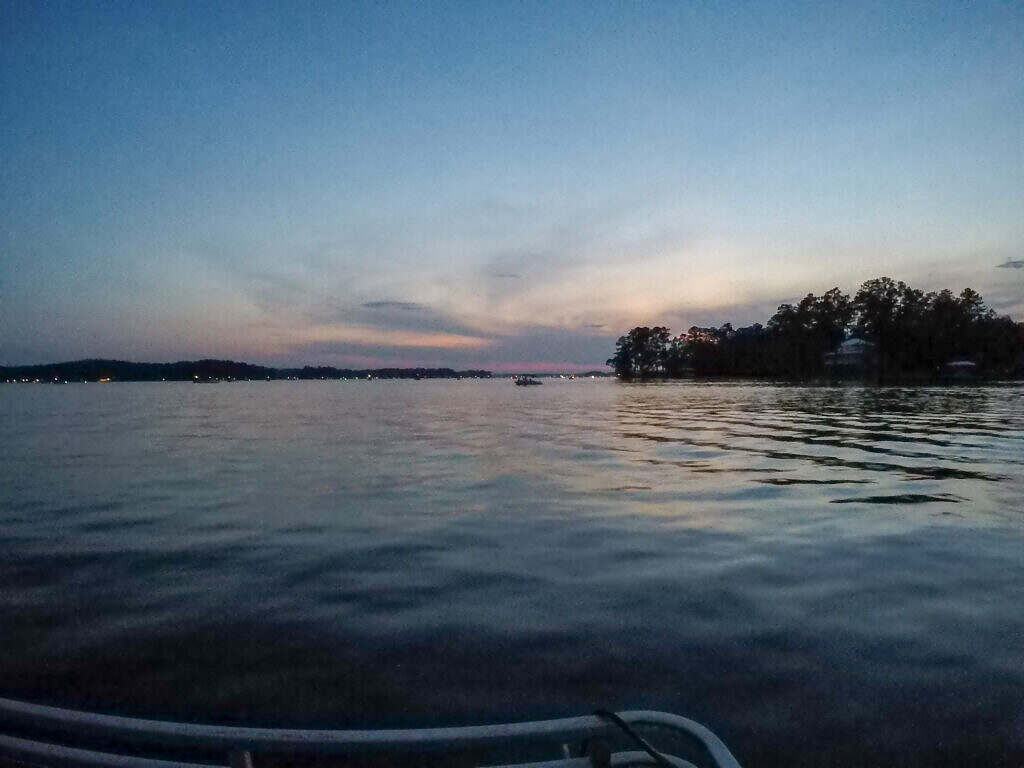
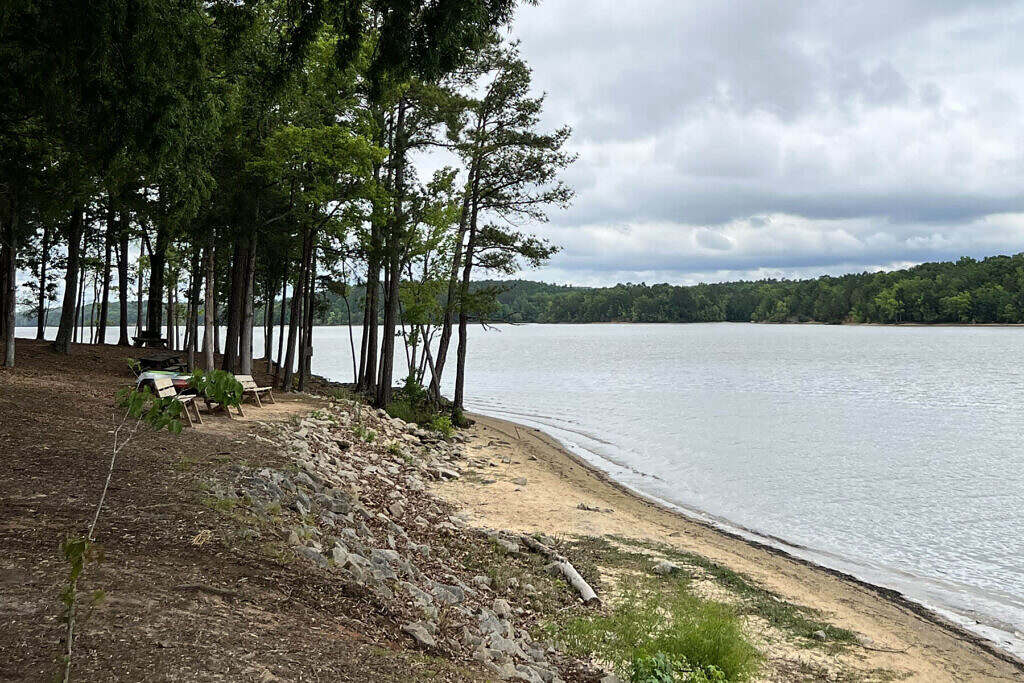
For generations, Lake Wateree has been defined by routine: early mornings on the water, fishing lines cast into quiet coves and families returning year after year to the same stretches of shoreline.
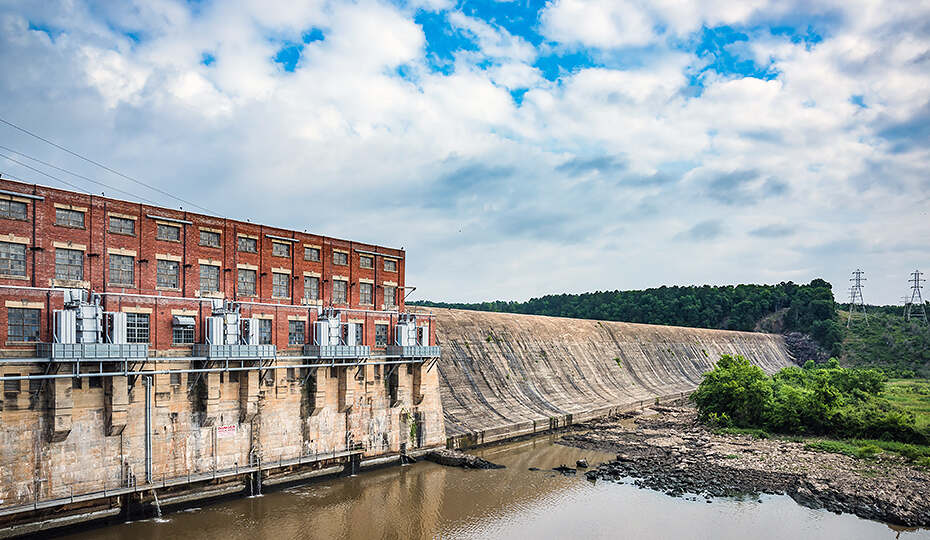
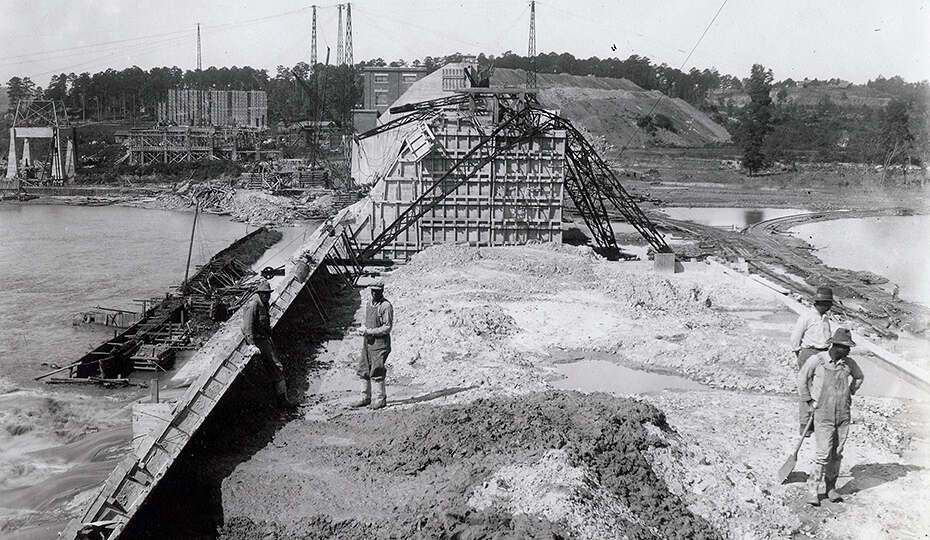
Created in 1919 as part of a hydroelectric project along the Catawba-Wateree River system, the lake was never just a body of water. It was infrastructure — and eventually, identity. Spanning more than 13,864 acres with nearly 200 miles of shoreline, it became one of South Carolina’s most recognizable recreational destinations, as well as a working component of the region’s power generation network.
For decades, these two roles — industrial and recreational — appeared to coexist harmoniously. Now, though, that balance is being tested.
In recent weeks, Lake Wateree has moved from a largely overlooked environmental concern to the center of a growing public and legal debate. As FITSNews previously reported, South Carolina lawmakers are calling for a formal investigation into the presence of polychlorinated biphenyls — or PCBs — in the lake and the broader Catawba-Wateree basin. State regulators are not only being asked to determine how alleged contamination occurred, but whether Duke Energy or its predecessor entities bear responsibility for it.

***
At the same time, a federal class-action lawsuit — filed in 2024 but largely unnoticed until now — is making similar claims through the courts.
That lawsuit (.pdf) alleged that Duke Energy contaminated the lake through decades of “mosquito-control” practices involving oil-based substances, causing impacts plaintiffs say are still being felt today.
Taken together, the legal and legislative developments have forced a broader question into the open: what, exactly, has been happening at Lake Wateree — and for how long?
To understand that question, it helps to understand the lake itself.
***
***
Lake Wateree is part of the larger Catawba-Wateree Hydroelectric Project — a system of dams and reservoirs developed throughout the twentieth century to generate electricity across North and South Carolina. As the operator of that system, Duke Energy has long been responsible not only for power production, but for managing shoreline use, environmental conditions and public access to the reservoir.
This dual role — private utility operator and steward of a public-facing resource — is now drawing increased scrutiny. Because while the lake has been marketed as a recreational destination, it has always remained – at its core – an engineered system shaped by decades of operational decisions.
And it is those decisions — some dating back generations — that are now being revisited.
***
RELATED | LAKE WATEREE CONTAMINATION INVESTIGATION
***
THE KEY QUESTION…
There is little dispute PCBs exist within the Lake Wateree ecosystem.
These man-made chemicals, widely used in industrial applications until they were banned in the late 1970s, are known for their persistence. Once introduced into water and sediment, they can remain for decades, accumulating in fish and wildlife over time.
Fish consumption advisories tied to PCB exposure have been in place in parts of the Catawba-Wateree basin for years. What remains unresolved, though, is the central issue now driving both the lawsuit and the proposed state investigation: where did the contamination come from?
Plaintiffs in the federal case point to Duke’s historic mosquito control practices as a likely source — specifically, the use of oil mixtures that may have contained PCB compounds. Duke Energy, meanwhile, has indicated through court filings that available environmental data does not clearly identify a single source of contamination.
That distinction — between the presence of contamination and proof of causation — is likely to define the debate moving forward.
For those who live along the lake, however, the issue is not confined to filings, studies or regulatory processes. It is tied to something far more immediate: confidence.
* Confidence in the safety of the water.
* Confidence in the value of their property.
* Confidence that the place they’ve invested in will remain what it has always been.
In a statement provided to FITSNews, lead plaintiff Mark Jones framed the issue in those terms.
“For more than a century, this lake has been a place families like mine believed would be passed down for generations,” Jones said. “Now, because of PCB contamination, that future is in question… this isn’t just about documents — it’s about what we’ve lost, and what we may never get back.”
***
RELATED | LAWMAKERS SEEK INVESTIGATION INTO CONTAMINATION
***
The convergence of a federal lawsuit and a potential state investigation marks a turning point for this issue. What was once a background environmental concern is now the subject of active legal claims, legislative attention and increasing public scrutiny.
But despite that attention, many of the most important questions remain unanswered.
Over the coming weeks, FITSNews will examine:
- The historical practices at the center of the lawsuit
- The science behind PCB contamination and how it spreads
- The legal battle now unfolding in federal court
- The role of Duke Energy as both operator and steward of the lake system
- The real-world impact on the residents who live along its shores
We will also be traveling to Lake Wateree to speak directly with property owners, anglers and community members about how this issue is affecting them — and what they believe should happen as a result.
Because this story is not just about contamination, it’s about how a place shaped by generations is now confronting questions that may not have simple answers.
***
ABOUT THE AUTHOR …

As a private investigator turned journalist, Jenn Wood brings a unique skill set to FITSNews as its research director. Known for her meticulous sourcing and victim-centered approach, she helps shape the newsroom’s most complex investigative stories while producing the FITSFiles and Cheer Incorporated podcasts. Jenn lives in South Carolina with her family, where her work continues to spotlight truth, accountability, and justice.
***
SOUND OFF…
Got something you’d like to say in response to one of our articles? Or an issue you’d like to address proactively? We have an open microphone policy! Submit your letter to the editor (or guest column) via email HERE. Got a tip for a story? CLICK HERE. Got a technical question or a glitch to report? CLICK HERE.
