by WILL FOLKS
***
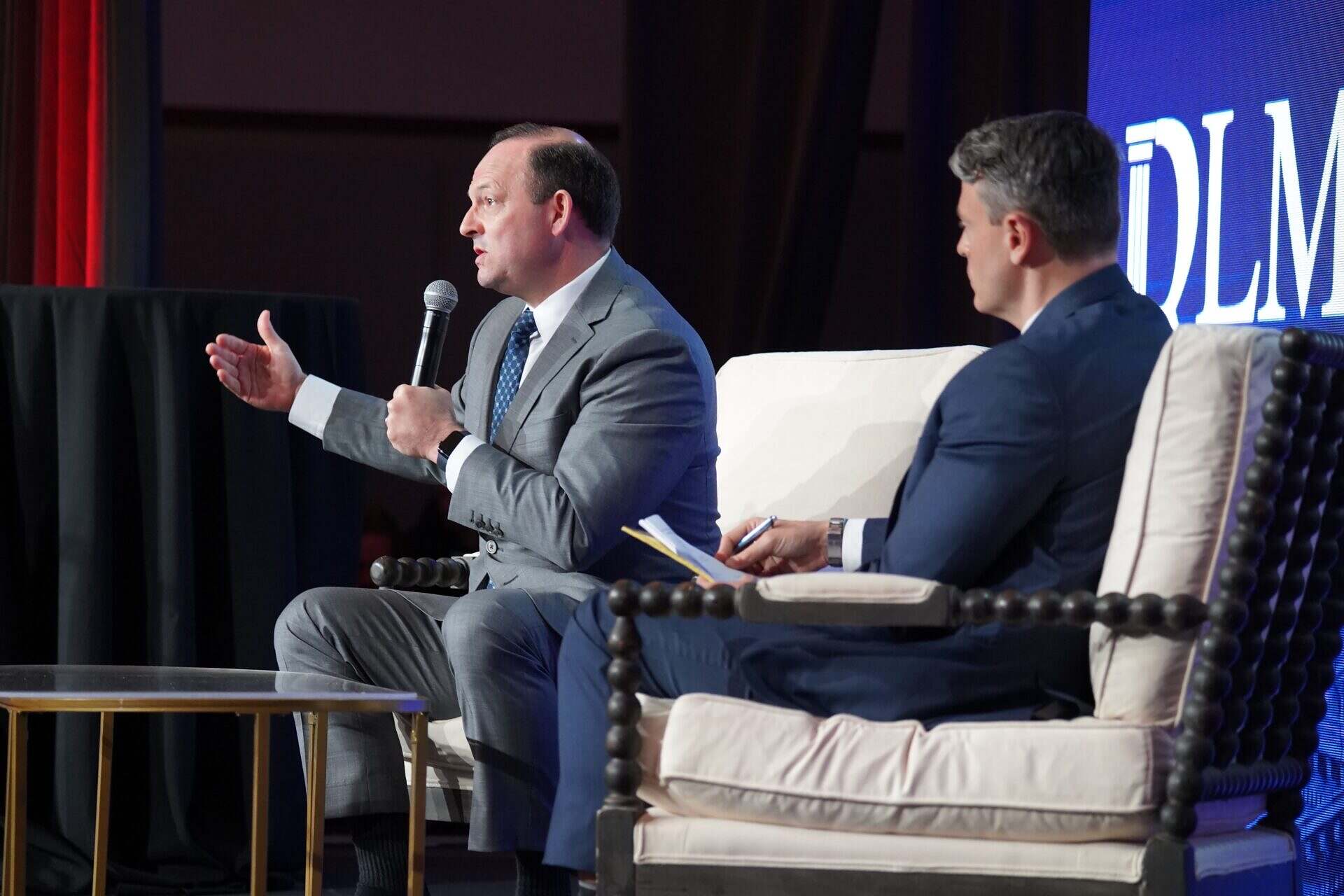
As we approach the pivotal homestretch of the 2026 South Carolina governor’s race, four-term attorney general Alan Wilson and first district congresswoman Nancy Mace are tied atop the Republican field – each drawing the support of 22% of likely GOP primary voters, per a new survey from Quantus Insights.
According to the pollsters, there is “no clear standard-bearer” in the race – while a “large share of the electorate (is) still weighing its options.”
“The defining feature of the race is not who leads but how open the contest remains,” pollsters noted. “A significant share of Republican voters has yet to commit to any candidate. The leading contenders remain clustered within a narrow band of support. And the issues that dominate the electorate — particularly the economy — remain broad enough that multiple candidates could plausibly claim ownership.”
Lieutenant governor Pamela Evette remained stuck in third place with 16% support – despite having recently received the endorsement of incumbent governor Henry McMaster. Fifth district congressman Ralph Norman was in fourth place with 11%, while state senator Josh Kimbrell was backed by 3% of respondents.
More than a quarter of those polled – 26% – were undecided.

***
Mace has gained ground since we last checked in on the race, while the other candidates have largely held their positions. Also of interest? The top line data from this particular survey included both firm commitments for candidates and the support of “leaners,” or respondents who indicated they were leaning toward supporting a candidate.
When these “leaners” were removed, Mace narrowly led the field with 19% support, followed by Wilson at 18%, Evette at 13% and Norman at 9%. Absent “leaners,” the undecided in the contest surged to 39%.
Frankly, we believe that undecided percentage is actually much higher than even that… which is why speculation continues to swirl that Lowcountry businessman Rom Reddy, founder of the DOGE SC movement, is considering jumping into the race.
Reddy would need to decide quickly, though, as filing for this spring’s partisan primary elections opens at 12:00 p.m. EDT this coming Monday (March 16, 2026) and closes at 12:00 p.m. EDT two weeks later – on March 30, 2026.
***
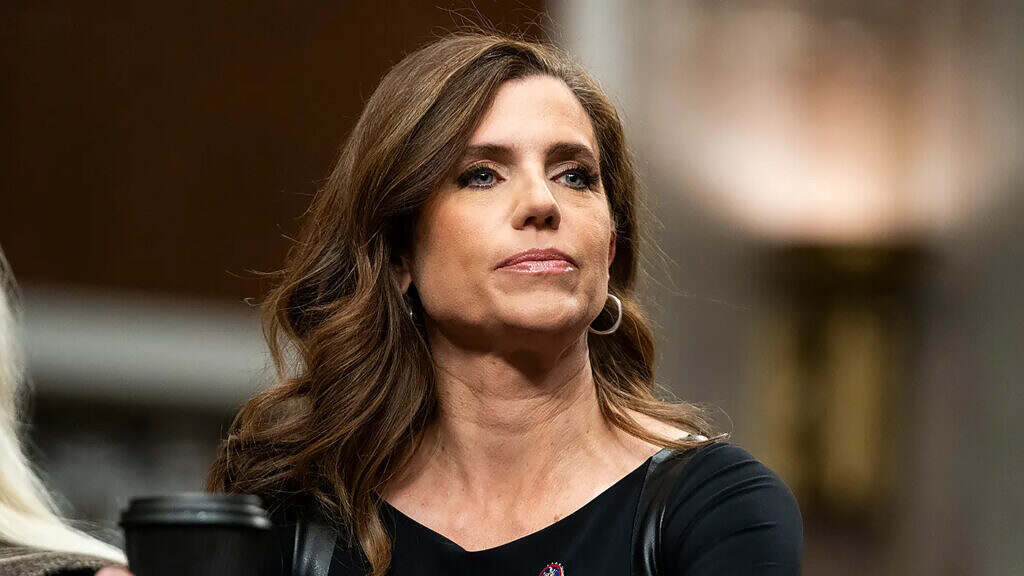
RELATED | NANCY MACE ‘ORIGIN STORY’ HEADLINES POLITICO
***
The last time Quantus polled this race was last fall. In that survey, which included “leaners,” Wilson’s support registered at 23%, Evette’s at 22%, Mace’s at 20% and Norman’s at 13%.
“Nancy Mace has modestly improved her position, rising from third place last fall to essentially tied for first in the current survey,” Quantus’ pollsters noted. “Pamela Evette has softened somewhat, slipping from the low-20s to the mid-teens. Alan Wilson, by contrast, has remained relatively stable, holding roughly the same share of support across both surveys.”
Evette’s decline comes despite her receiving McMaster’s imprimatur – and despite her spending far more on campaign advertising than the other candidates in the field.
“Perhaps the most important development, however, is the growth of the undecided vote,” the pollsters continued. “The share of voters still making up their minds has expanded since October, suggesting that as the field becomes clearer and the campaign begins in earnest, many Republicans are reassessing their options rather than locking into an early preference.”
That particular takeaway should be music to Reddy’s ears, in the event he is indeed planning to enter the race.
***

***
In addition to ascertaining the mood of the GOP electorate as it relates to the candidates vying for their votes, Quantus also dug into the issues which might motivate them to make a final determination.
“Economic concerns dominate the electorate,” the pollsters found, citing roughly 31% of respondents who identified “the economy, inflation, and the cost of living as their top issue, far ahead of any other concern.”
Next on the list, at 23%, was election integrity following by taxes and spending (13%) and border security and immigration (11%).
“The pattern reflects a familiar hierarchy in Republican primaries: voters concerned first with economic stability, followed by institutional and governance questions,” pollsters opined. “Candidates who can convincingly address the cost-of-living pressures facing households may therefore find the most fertile ground among undecided voters.”
Quantus surveyed 806 likely GOP voters in South Carolina between March 10-11, 2026. Its survey has a margin of error of plus or minus 3.5%.
Partisan primary elections in South Carolina are scheduled for June 9, 2026. In the event no candidate wins a majority of votes on the first ballot – which is a likelihood in the GOP governor’s race – a head-to-head runoff between the top two vote-getters would be held two weeks later (on June 23, 2026). As noted, the GOP primary is the race to watch in South Carolina, as Democrats haven’t won a gubernatorial election since 1998 – and haven’t won a statewide election since 2006.
***
ABOUT THE AUTHOR…

Will Folks is the founding editor of the news outlet you are currently reading. Prior to founding FITSNews, he served as press secretary to the governor of South Carolina. He lives in the Midlands region of the state with his wife and eight children.
***
SOUND OFF…
Got something you’d like to say in response to one of our articles? Or an issue you’d like to address proactively? We have an open microphone policy! Submit your letter to the editor (or guest column) via email HERE. Got a tip for a story? CLICK HERE. Got a technical question or a glitch to report? CLICK HERE.
