

***
Healthcare in South Carolina is strained by rising costs, workforce shortages, and a regulatory environment that grows more complex every year. CMS oversight is tightening. Controlled substance monitoring is under scrutiny. Public health responsibilities are shifting as DHEC transitions into the Department of Public Health (DPH) and the Department of Environmental Services (DES). Across our great state, hospitals, clinics, and community providers are doing everything they can to keep up. We need to build a smarter, safer, more predictive healthcare system for South Carolina. We need to stop reacting to crises and start anticipating them. We need a Governor who wants to strengthen trust, protect patients, and equip our healthcare workforce with the tools they need to succeed.
Medicaid is one of the most important services our state provides. Unfortunately, it is one of the most vulnerable to waste, error, and fraud. Today, too many providers learn about claim denials only after the damage is done. I want a champion for preventing Medicaid denials and for reviewing analytics that identify high-risk claims before they are submitted. These tools analyze historical trends, policy changes, and documentation patterns to flag vulnerabilities early. That means fewer denials, fewer administrative burdens, and more dollars going exactly where they belong: to patient care.
Hospitals and providers spend too much time on the appeals process. Once you add Medicare Advantage plans, which also deny claims, patients are left unsure about treatment and potentially do not seek care.

***
South Carolina has some of the strictest controlled substance regulations in the country. Enforcement alone is not enough. We need machine learning tools to prevent diversion, reduce overdose risk, or missed SCRIPTS checks that support prescribers who are doing their best to navigate a high-stakes environment. We need to ensure that patients can easily obtain the medications they need to treat an illness or injury.
Too many enforcement actions in South Carolina stem from preventable lapses in supervision. Our persistent health disparities will continue to widen without a full scope of practice for advanced practitioners, including nurses and physician assistants. This not only creates financial instability for small providers in rural areas but also increases the risk of delayed care and preventable harm to patients. Predictive supervision monitoring tools will alert organizations when practice agreements are expiring, when schedules violate LLR rules, or when procedures require additional oversight. This protects patients, supports clinicians, and reduces unnecessary penalties. By 2036, the U.S. healthcare industry is projected to face a shortage of over 330,000 Registered Nurses, with South Carolina facing one of the largest supply gaps. We need to provide better care to our underserved populations.
As DHEC transitions into DPH and DES, South Carolina must be ready for a new era of environmental and public health oversight. Our government needs to consider environmental compliance predictors that monitor medical waste, hazardous materials, and vendor performance. We need to inspect failures and safety risks. There is also a need for public health reporting timeliness models that help providers stay ahead of outbreaks and reporting surges.
***

RELATED | SOUTH CAROLINA: ONE OF AMERICA’S TOP STATES FOR FRAUD
***
Documentation is the backbone of healthcare integrity. Cybersecurity is the backbone of patient trust. With telehealth evolving quickly, artificial intelligence innovation is advancing rapidly. Our telehealth program must be aligned with SC licensure, billing, and privacy requirements. Telehealth in high-risk areas, such as health care, behavioral health, and home health, means capital expansion in the state to enhance compliance. AI-driven documentation quality scoring is coming, and we need to implement tools to identify missing elements, medical-necessity gaps, and audit risks before they become problems. By strengthening our statewide cybersecurity readiness through threat intelligence systems that detect vulnerabilities early, we can reduce the likelihood of breaches that trigger HIPAA and state notification requirements, thereby increasing patient safety in telehealth.
The future of healthcare compliance is integration. We should move to establish a statewide framework that integrates data from billing, documentation, SCRIPTS, supervision, environmental monitoring, and public health reporting. South Carolina deserves a healthcare system that is not stuck in yesterday’s problems but prepared for tomorrow’s challenges. We need a Governor that will work to protect patients, support providers, and build a resilient, future-ready healthcare system. Building more predictive tools to build a statewide intelligence network for healthcare is not a want, but a must.
Who can lead South Carolina into that future with integrity, transparency, and innovation? That is the question I want answered from the gubernatorial candidates.
***
ABOUT THE AUTHOR…
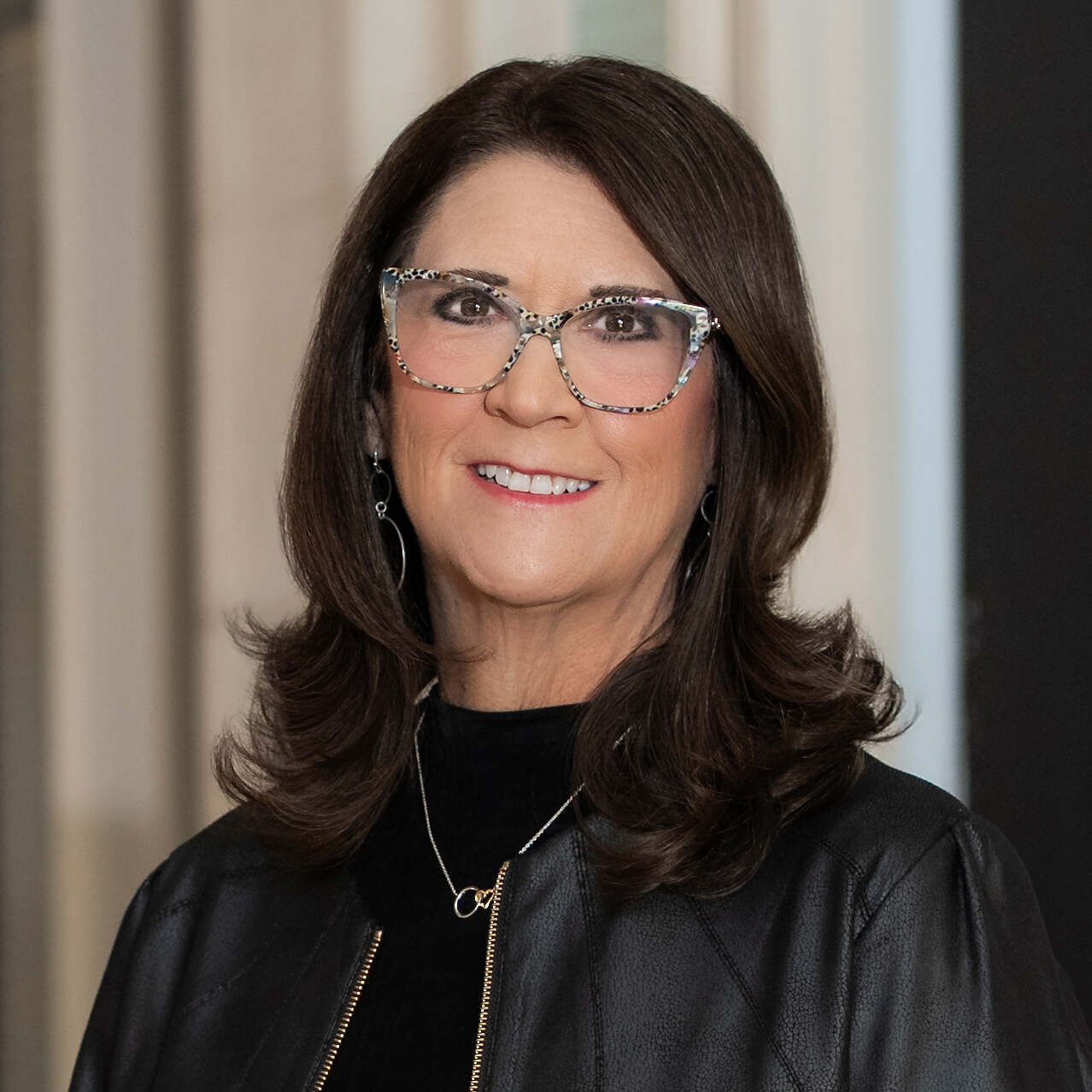
Dr. Kelly Willenberg is a healthcare compliance expert and owner of Kelly Willenberg & Associates with over 45 years of experience as a registered nurse. She serves on the board of the Healthcare Compliance Association (HCCA) and is a prominent advocate for hands-free legislation and expanded healthcare access. An accomplished author and speaker, she also established the Dale A Willenberg Congenital Heart Disease Endowment to support the South Carolina medical community.
***
SOUND OFF…
Got something you’d like to say in response to one of our articles? Or an issue you’d like to address proactively? We have an open microphone policy! Submit your letter to the editor (or guest column) via email HERE. Got a tip for a story? CLICK HERE. Got a technical question or a glitch to report? CLICK HERE.
