
by JENN WOOD
***
Many parents describe feeling grief when their child is diagnosed with autism. And while I understand where that feeling comes from, it wasn’t mine.
When my son was diagnosed at four, I felt something closer to relief.
We had already been deep in the world of therapies — behavioral, occupational, physical — stacking appointments into already long days, trying to address challenges we didn’t yet fully understand. I was exhausted, and more than that, I was searching.
The diagnosis didn’t define my son. It gave us direction. But while I was handed a map, the rest of the world wasn’t.
Autism is often talked about in extremes. It’s reduced to stereotypes, filtered through outdated assumptions, or framed as something to be feared, fixed, or overcome. For many families, the diagnosis itself isn’t the hardest part.
It’s everything that comes after.
It’s navigating school systems that aren’t always equipped to meet your child where they are. It’s fielding well-meaning but misinformed comments from strangers. It’s watching your child be misunderstood in spaces that were never designed with them in mind.
***
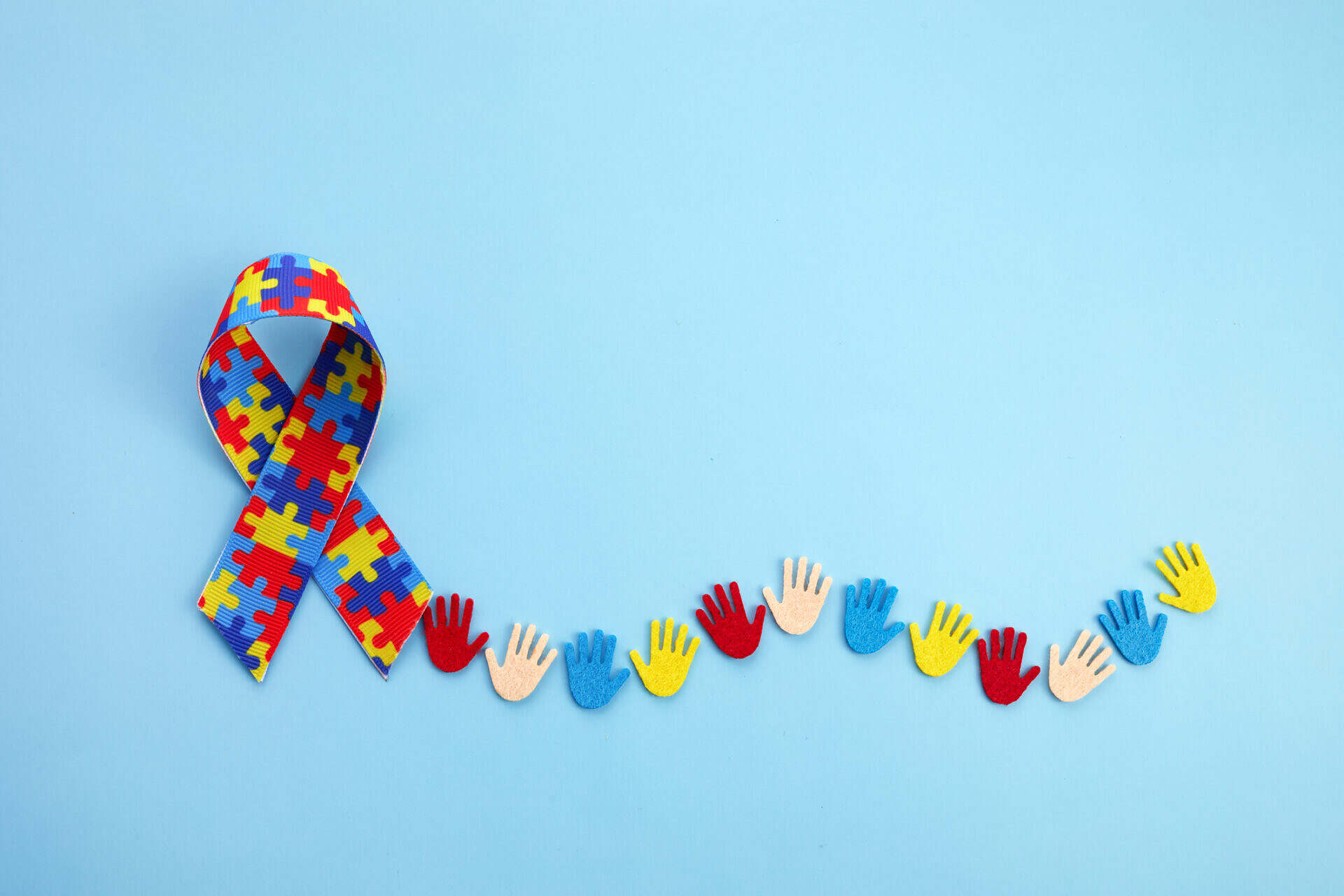
It's Autism Acceptance Month! ?
— Colonial Life Arena (@CLAmktg) April 1, 2026
We’re partnering with @MonsterJam & the South Carolina Autism Society for a special event—see a monster truck up close & meet a driver!
April 16 | 3–5 PM
EdVenture Children’s Museum "Columbia"
Come join us! pic.twitter.com/HaFhYO5uoi
***
And it’s realizing — sometimes quickly — that while you’ve spent months or years learning how your child experiences the world, much of that world hasn’t taken the time to understand them.
That’s where the concept of neurodiversity matters.
At its core, neurodiversity is the idea that neurological differences — including autism — are not deficits to be cured, but variations to be understood. It shifts the conversation away from “what’s wrong?” and toward “what’s different?” — and more importantly, “what support is needed?”
For me, that shift was everything.
Once I stopped measuring my son against a standard he was never meant to fit, I could start seeing him more clearly — not as a set of challenges to manage, but as a person with his own strengths, perspectives, and way of moving through the world.
That doesn’t mean the challenges disappear. They don’t. But understanding changes how you respond to them.
And more importantly, it changes how you advocate — not just for your child, but for a world that is still learning how to include them.

***
WHEN UNDERSTANDING MEETS REAL LIFE
Understanding autism in theory is one thing. Living it — and expecting the world around you to meet you halfway — is something else entirely.
For many families, the daily challenges aren’t always about autism itself. They’re about environments that don’t account for it.
It’s the fluorescent lights that are too bright. The sudden noises that feel overwhelming. The crowded spaces that can quickly turn from manageable to unbearable. It’s schedules that change without warning, expectations that aren’t clearly communicated, and systems that assume every child processes the world the same way.
When those environments aren’t built with neurodiversity in mind, the burden shifts.
It falls on the child to adapt.
On the parent to explain.
On the family to navigate.
Over time, that adds up. What might look like a “behavior” to an outsider is often a response — to sensory overload, to frustration, to being misunderstood. And without that context, those moments are too often judged instead of supported.
That’s why understanding matters.
Not in an abstract, checkbox kind of way — but in the way teachers structure classrooms, how businesses think about accessibility, how communities plan events, and how people choose to respond in everyday interactions.
Because small shifts in awareness can lead to meaningful changes in experience.
A quieter space.
A clearer expectation.
A little more patience.
For some families, those adjustments make the difference between participating — and staying home.
***

RELATED | EVERY CHILD BELONGED
***
MOVING FROM AWARENESS TO ACCEPTANCE
For years, much of the conversation has centered around “autism awareness.” But awareness alone isn’t enough.
Awareness recognizes that autism exists – acceptance asks what we’re going to do about it.
It challenges communities to move beyond surface-level understanding and toward meaningful inclusion — not by expecting individuals on the spectrum to conform, but by creating spaces where different ways of thinking, communicating, and experiencing the world are not just accommodated, but respected.
That shift doesn’t happen all at once. It happens in classrooms, in workplaces, in local events, and in everyday decisions made by people who may not realize the impact they have.
It happens when understanding replaces assumption. When patience replaces judgment. And when inclusion becomes intentional.
***
WHAT COMES NEXT
This is the first in a series recognizing Autism Acceptance Month — and in the weeks ahead, we’ll be taking a closer look at what this conversation means here at home.
From sensory-friendly events and inclusive spaces… to local resources available to families… to the real challenges (and progress) happening within our own communities…
Because understanding autism isn’t just a personal journey.
It’s a community one. And for families like mine, that understanding makes all the difference.
***
ABOUT THE AUTHOR …
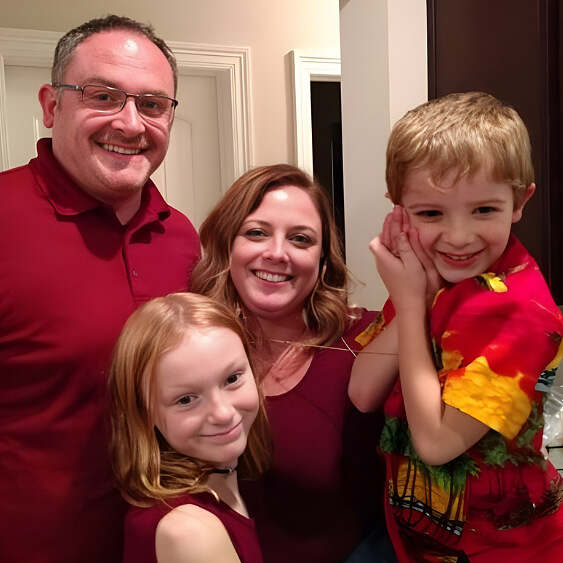
Jenn Wood is the research director at FITSNews, where she applies her background as a private investigator to complex, accountability-driven reporting. During Autism Acceptance Month, she is also writing from a more personal perspective — as the mother of a teenage son on the autism spectrum — offering insight into the realities families navigate and the importance of understanding neurodiversity in everyday life.
***
SOUND OFF…
Got something you’d like to say in response to one of our articles? Or an issue you’d like to address proactively? We have an open microphone policy! Submit your letter to the editor (or guest column) via email HERE. Got a tip for a story? CLICK HERE. Got a technical question or a glitch to report? CLICK HERE.
