
by JENN WOOD
***
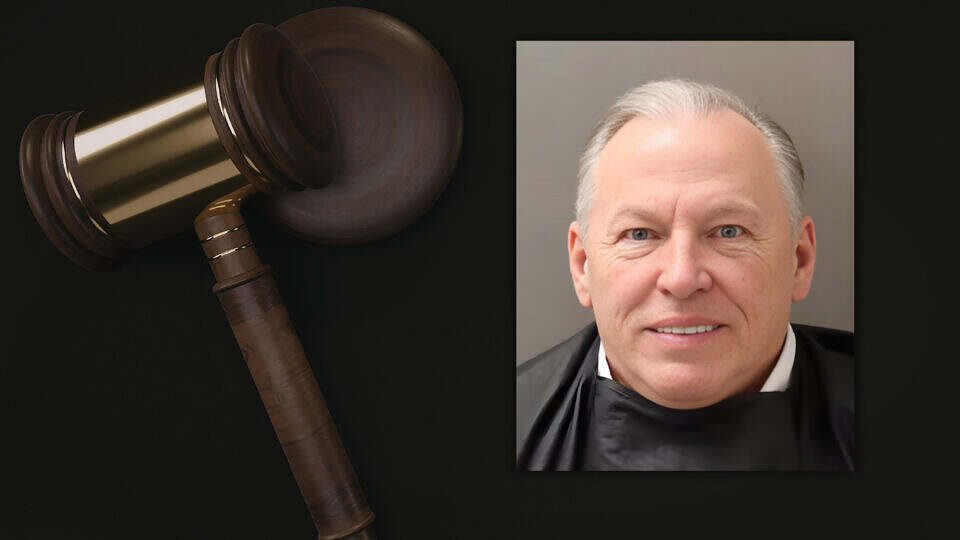
A felony child sex charge filed against an Upstate, South Carolina man was resolved last week via a controversial reduced plea agreement – one resulting in him serving a single day behind bars.
According to court records filed in the S.C. thirteenth judicial circuit, 63-year-old Emmanuel Jahu Gilstrap of Easley, S.C. pleaded guilty on February 26, 2026, to second-degree assault and battery after prosecutors dismissed the original charge filed against him.
Gilstrap was originally charged with committing or attempting a lewd act upon a child under sixteen — a felony. That charge was tied to allegations first reported to law enforcement decades after the alleged conduct occurred.
Public index records showed the original general sessions case was closed the same day the plea was entered, with the felony charge marked as “dismissed.” A second indictment, filed one day earlier, reflected the substituted assault charge, which was resolved through an Alford plea.

***
For those of you unfamiliar with an Alford plea, it means a defendant is maintaining his or her innocence – but acknowledging sufficient evidence exists to convict them of the crime of which they stand accused.
The case against Gilstrap stemmed from allegations dating back to the 1990s after a former babysitter came forward years later, ultimately resulting in his arrest by Easley Police Department (EPD) in 2023.
Court records do not publicly explain why prosecutors moved away from the original lewd act indictment, but charge reductions in older cases are often tied to evidentiary complications — particularly allegations involving decades-old events, limited corroborating records, fading witness memory, or challenges in meeting the burden required for trial on a more serious felony offense.
***

RELATED | PROBATION AGENCY FLIPS ON SEX OFFENDER’S STATUS
***
The plea agreement was accepted in open court by S.C. circuit court judge G. D. Morgan Jr., who imposed a three-year prison sentence that was suspended upon service of one day in custody, followed by thirty months of probation. The sentencing sheet also indicated the victim was present in court – and agreed to the negotiated resolution.
Still, many victims’ advocates privately told FITSNews they were disappointed in the decision by prosecutors to drop the more serious charge, believing it was done because Gilstrap is a wealthy member of the community who owns and operates a network of local car dealerships.
The original indictment was formally closed the same day, ending a prosecution that had remained pending in general sessions court for nearly three years…
***
ABOUT THE AUTHOR …

As a private investigator turned journalist, Jenn Wood brings a unique skill set to FITSNews as its research director. Known for her meticulous sourcing and victim-centered approach, she helps shape the newsroom’s most complex investigative stories while producing the FITSFiles and Cheer Incorporated podcasts. Jenn lives in South Carolina with her family, where her work continues to spotlight truth, accountability, and justice.
***
SOUND OFF…
Got something you’d like to say in response to one of our articles? Or an issue you’d like to address proactively? We have an open microphone policy! Submit your letter to the editor (or guest column) via email HERE. Got a tip for a story? CLICK HERE. Got a technical question or a glitch to report? CLICK HERE.

7 comments
This is why South Carolina needs statutes of limitations on all crimes. This happened over thirty years ago. Absent saved clothing like Lewenski had, what possible evidence could exist, today? If it wasn’t important (to the victim) enough to report it when it happened of after attaining adulthood, it really is not important now. Why waste police and court time on ancient history?
We do NOT need limitations. In your feeble mind homicide and murder charges must be had in 2 to 4 years.
Good grief!
perhaps the victim was scared, and intimidated from reporting. There are lots of reasons for delay not to mention the reporting and arrest in 2023 and adjudication in 2026.
He probably donated to Cindy Cricks campaign for solicitor. Fits needs to check on that and see if any of his employees donated for him so his name wouldn’t be on it
For a media outlet who is on new-found kick of championing the “impartial jury” part of the 6th Amendment, you are very happy to ignore the “speedy and public trial” the “confronted with the witnesses against him” part, the “compulsory process” part, and the rest of it.
You also are regularly happy to ignore the 8th Amendment wholesale.
And the presumption of innocence receives only lip-service, if any recognition at all, from y’all.
All you seem to want is hanging judges as soon as someone points a finger at a defendant.
And if the judge doesn’t hang the defendant upon your say-so, you want the judge him/herself hanged.
You can’t pick and choose from the Constitution. Respect all of it, or drop the act.
Where your short purpose hangs, its all bunched up due to a length issue.
SC does need statutes of limitations on almost all crimes. Not to lessen the crime that Mr. Gilstrap was “kind of” convicted of but it is almost impossible to reconstruct what happened, rely on witness memory and produce evidence from 30 years ago.While not casting any doubt on the accuser, I don’t think that we can expect that justice and the truth be served in this type of situation.
A Gray
Travelers Rest, SC