
by WILL FOLKS
***
Following a historic hiatus, the 2026 Atlantic season has finally produced a named hurricane…
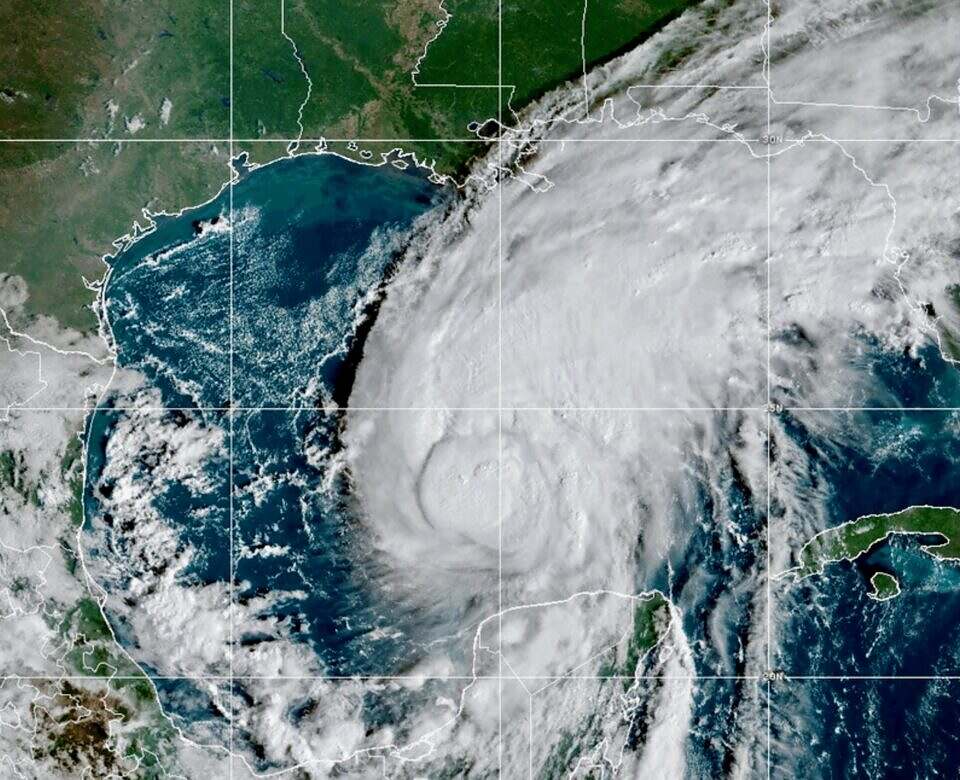
Hurricane Isaias formed over the Gulf of America late Wednesday evening (October 7, 2026), becoming one of the latest-forming first hurricanes on record. For those of you keeping score, there were no hurricanes in 1907 and 1914 – while the first hurricane of 1905 formed on October 8.
Isaias – whose Spanish pronunciation is routinely mangled – reprises the name of a 2020 storm which made landfall near Ocean Isle Beach, N.C. in August of 2020. That system continued up the east coast into the mid-Atlantic – doing an estimated $5 billion worth of damage along the way.
Where will 2026’s iteration of Isaias go?
***
? #TropicsWX A look at Hurricane Isaias… https://t.co/SwybcMeftP
— FITSNews (@fitsnews) October 8, 2026
***
As of 8:00 a.m. EDT on October 8, Isaias’ center of circulation was located at latitude 23.7° N longitude 90.6° W – or approximately 385 miles southwest of the mouth of the Mississippi River. The storm was moving east-northeast at nine miles per hour – packing maximum sustained winds of 80 miles per hour (with stronger gusts).
Hurricane force winds extended fifteen miles outward from its center, while tropical storm force winds extended ninety (90) miles outward.
“A turn toward the northeast is expected later today followed by a turn northward on Friday,” forecasters at the National Hurricane Center (NHC) in Miami noted. “On the forecast track, Isaias is expected to pass to the north of the Yucatan Peninsula later today and make landfall along the U.S. northern Gulf Coast within the warning area late Friday or early Saturday.”
“Additional strengthening is expected through early Friday, and Isaias should remain a dangerous hurricane as it approaches the northern Gulf Coast Friday night,” forecasters added.
***
Latest Thursday AM look at Hurricane Isaias. Still strengthening. Expected to peak at 110mph. A little weakening before landfall. NHC overnight track similar to prior. Matching tracks of the Google DeepMind and HCCA. EURO inching closer to these. Expanding wind field expected towards landfall spreading impacts more inland and to the east. Website updated with all the latest. https://t.co/0EQMEw6Iu0
— Mike’s Weather Page (@tropicalupdate) October 8, 2026
***
With the state of Alabama very much in the path of the oncoming storm, officials at the Heart of Dixie’s flagship institution have been “closely monitoring” the system ahead of the No. 6 Crimson Tide‘s scheduled game in Tuscaloosa on Saturday against second-ranked Georgia.
Kickoff from Bryant-Denny Stadium is scheduled for 7:30 p.m. EDT, although school officials said they are remaining “in close communication with the National Weather Service, the Southeastern Conference office and the University of Georgia as we observe conditions.”
Alabama governor Kay Ivey issued a state of emergency in forty (40) counties, indicating the move “will allow us to take any needed steps ahead of landfall.”
“While I hope for minimal impacts, we must take preparations seriously,” Ivey said.
As of this writing, South Carolina is not expected to see significant impacts from the storm – which is probably a good thing given the inability of its governor to pronounce its name.
***
? #TropicsWX Hurricane ICY ISIS. Foghorn governor @HenryMcMaster’s favorite storm of all time. https://t.co/en85KUlJYK
— FITSNews (@fitsnews) October 8, 2026
***
Last year was one of the slowest seasons on record in the Atlantic basin, with just thirteen (13) named storms – including five (5) hurricanes and four (4) major hurricanes. That output barely scraped the low end of alarmist forecasts issued ahead of the season. The American mainland was also spared any direct hurricane impacts in 2025 – with Tropical Storm Chantal the only system to come ashore in the United States last year.
Forecasters called for “below normal” tropical activity this season, but what we have witnessed instead is virtually unprecedented inactivity.
Isaias is the season’s first hurricane and only its ninth named storm. So far, only two systems have made landfall – Tropical Storm Bertha in late July and Tropical Storm Edouard last month.
Hurricane season runs from June 1 to November 30 each year. Keep it tuned to FITSNews as we follow the latest developments in the tropics…
***
ABOUT THE AUTHOR…

Will Folks is the founding editor of the news outlet you are currently reading. Prior to founding FITSNews, he served as press secretary to the governor of South Carolina. He lives in the Midlands region of the state with his wife and eight children.
***
SOUND OFF…
Got something you’d like to say in response to one of our articles? Or an issue you’d like to address proactively? We have an open microphone policy! Submit your letter to the editor (or guest column) via email HERE. Got a tip for a story? CLICK HERE. Got a technical question or a glitch to report? CLICK HERE.
