

|
Getting your Trinity Audio player ready...
|
by JENN WOOD
***
Nearly eleven years after four members of an Anderson County family were found brutally murdered inside their home, one of the two accused killers – Rosmore “Ross” Vilardi – is mounting a broad legal challenge to the evidence prosecutors intend to use against him.
Vilardi’s attorney, Shaun Kent, has filed a series of pretrial motions seeking to dismantle several pillars of the State’s case before Vilardi’s four-count murder trial begins on October 13, 2026.
The motions ask the court to dismiss the prosecution entirely based on the eight-year delay between the killings and Vilardi’s indictment. Alternatively, the defense wants to suppress or exclude evidence involving Vilardi’s finances, his cellphone, a bloody footwear impression, the arrest warrants used to take him into custody and testimony from two experts expected to help prosecutors interpret the case.
A two-day hearing on these motions is scheduled for July 27 and 28 in Anderson County before S.C. circuit court judge Jane Merrill.
The hearing could substantially shape what jurors are permitted to hear when Vilardi becomes the second defendant tried in connection with the notorious Halloween 2015 quadruple homicide. His wife and former co-defendant, Amy Vilardi, was convicted of all four murders in February and sentenced to four consecutive life terms.

***
A DECADE-OLD CASE
Vilardi is charged in the killings of his wife’s mother, 60-year-old Cathy Scott; her stepfather, 58-year-old Terry Michael “Mike” Scott; her grandmother, 82-year-old Violet Taylor; and her step-grandmother, 80-year-old Barbara Scott.
The four victims were discovered on November 2, 2015, inside the double-wide trailer they shared on Refuge Road near Pendleton, South Carolina.
According to investigators, Barbara Scott, Taylor and Mike Scott had their throats cut before being shot postmortem in the living room. Cathy Scott was shot twice in the head and stabbed in a bedroom.
At the time, Amy and Ross Vilardi lived with their children in a single-wide trailer located on the same property. Amy Vilardi called 911 after allegedly discovering the bodies approximately three days after prosecutors believe the killings occurred.
Both Vilardis were viewed as suspects early in the investigation, but neither was arrested until December 2023 — more than eight years after the murders. They were indicted the following month.
That delay now sits at the center of Ross Vilardi’s effort to prevent the case from reaching a jury.
***
DEFENSE SEEKS DISMISSAL
In the most consequential motion (.pdf), Kent argued the prosecution should be dismissed because the lengthy pre-indictment delay has left Vilardi unable to mount a complete defense.
To obtain dismissal on those grounds, the defense must establish that the delay caused substantial, actual prejudice and that the prejudice outweighs prosecutors’ justification for waiting to bring charges.
Kent claimed numerous potentially important witnesses have either died or become medically unavailable since the investigation began. The motion identified individuals the defense says could have offered evidence about activity around the property, statements made during the investigation, the victims’ relationships and the collection or interpretation of physical evidence.
Among them are a neighbor who reportedly heard gunshots around the potential time of the murders; an Anderson County K-9 handler whose dog was deployed at the scene; the polygraph examiner who tested Amy Vilardi; a nearby resident who allegedly observed activity involving a firearm; and the medical examiner who performed the autopsies.
***

***
The motion also identified investigators and experts whose memories have allegedly deteriorated or whose availability has otherwise become uncertain.
Kent contends the delay is especially damaging because no meaningful scientific breakthrough or newly discovered physical evidence appears to have transformed the case. Instead, he argues, the arrests followed a renewed investigation involving producers and consultants from the television program Cold Justice.
“The State has not disclosed the discovery of any new evidence that would materially change the facts used to prove their case,” the motion states.
The defense characterizes the prosecution as a reinterpretation of evidence available years earlier — not a case solved through a new DNA match, confession or newly identified witness.
Prosecutors have not yet filed their written responses to the motions. Allegations contained in defense filings have not been proven, and the State will have an opportunity to explain both the delay and the evidence supporting the charges.
***
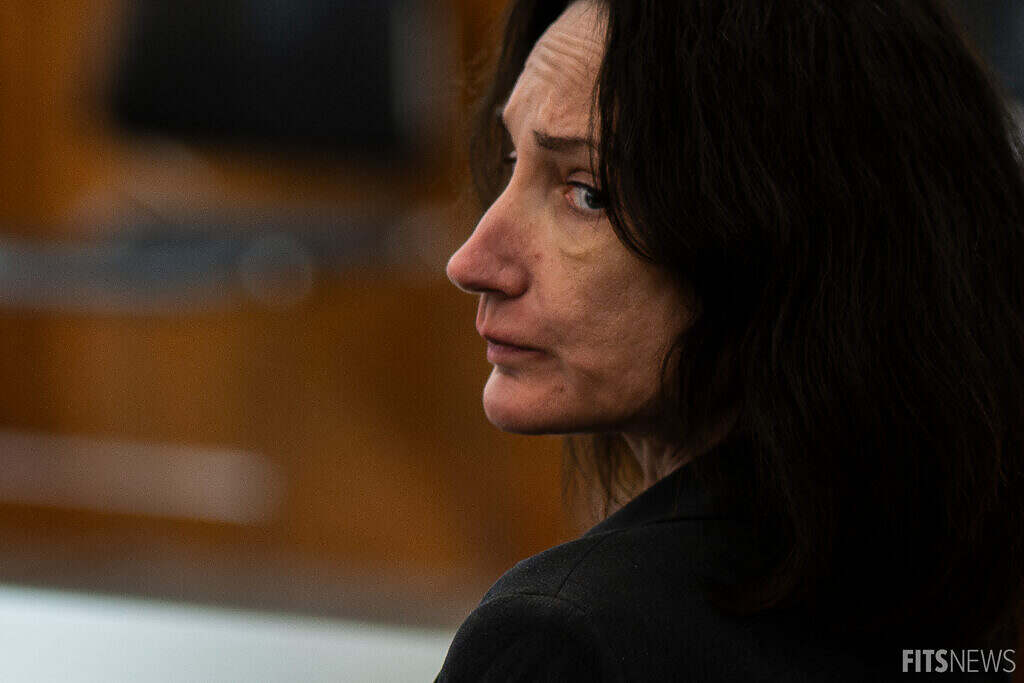
RELATED | Amy Vilardi Finally Faces a Jury
***
CHALLENGING THE ARREST WARRANTS
The defense is separately challenging the four warrants used to arrest Vilardi in December 2023.
Kent argues (.pdf) the warrants merely allege Vilardi caused each victim’s death with malice aforethought without reciting the underlying facts connecting him to the crimes.
Because the probable-cause language is substantially identical in all four warrants, the defense argues none of them independently explains what evidence justified Vilardi’s arrest.
Kent is asking Judge Merrill to hear testimony from the magistrate who signed the warrants to determine whether investigators provided additional sworn information that does not appear on their face.
A deficient arrest warrant would not automatically erase the indictments or end the prosecution. The more immediate question would be whether any evidence obtained because of the arrest must be excluded as the product of an unlawful seizure.
The defense specifically argued that fingerprints, blood or other information obtained after Vilardi was taken into custody could be subject to suppression if the court finds no valid probable cause supported the warrants.
***
THE CELLPHONE SEARCH
Another motion (.pdf) challenges the seizure and search of Vilardi’s Samsung cellphone in November 2015.
According to the defense, Vilardi cooperated with investigators following the murders and submitted to a polygraph examination on November 3, 2015. The motion states Anderson County investigators told him he had passed the exam “with flying colors.”
When Amy Vilardi appeared for her own polygraph one week later, Ross accompanied her. Investigators allegedly seized his cellphone while he was at the examination location and then obtained a warrant authorizing its search.
The affidavit supporting that warrant reportedly stated only that investigators had seized the phone as part of the homicide investigation and believed searching it would uncover pertinent evidence.
Kent argued that language was conclusory and failed to establish a factual connection between Vilardi’s phone and the murders. He also questions what authority investigators had to take possession of the device before obtaining the warrant.
The defense wants Merrill to suppress the extraction and any evidence derived from it under constitutional protections against unreasonable searches and seizures.
***
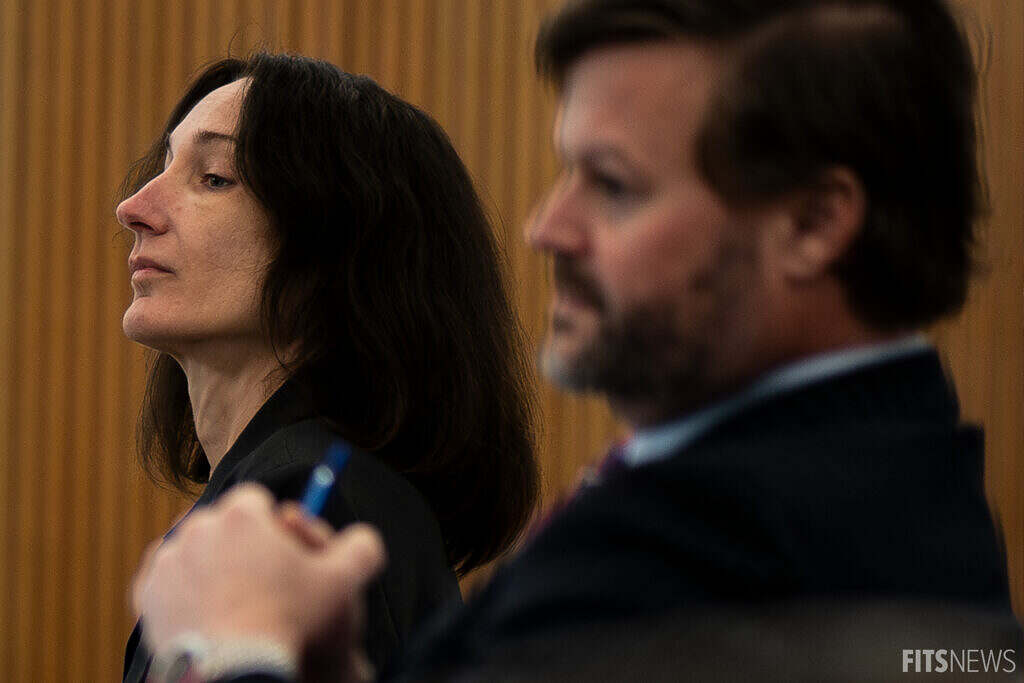
RELATED | Amy Vilardi Murder Trial: Cash, Cell Phones And Family Tensions
***
‘COLD JUSTICE’
Two additional motions focus on Eric Devlin, a Texas-based attorney and digital forensic examiner who works as an on-air consultant for Cold Justice.
Devlin analyzed dozens of electronic devices and accounts during the television program’s 2023 review of the case. According to the defense, investigators provided him with nearly 40 sources of electronic information, including cellphones, computers, email returns, Facebook records, storage devices and other digital material.
One motion (.pdf) seeks to suppress evidence Devlin extracted, arguing prosecutors cannot establish that the original 2015 search warrants were properly executed, inventoried and returned in accordance with South Carolina law.
A second motion (.pdf) argued that even if the underlying electronic evidence was admissible, Devlin should not be permitted to present his conclusions as expert testimony.
Kent alleged Devlin’s 303-slide presentation goes far beyond the technical extraction of digital information and instead constructs a prosecution narrative using selected messages, social media posts, financial records and cellphone-location data.
Among the labels Devlin allegedly placed on sections of evidence were “Financial Trouble,” “Marital Problems,” “Complaints about Victims” and “Ross instructing that victims are not to have contact with children at church.”
The defense argued jurors are capable of reading text messages without an expert telling them how those communications should be interpreted. It further contends that Devlin’s role as a member of the Cold Justice investigative team makes him an advocate for the prosecution rather than an independent forensic witness.
Kent also challenged Devlin’s qualifications to offer opinions about financial motive, relationships, cellphone-location analysis and other matters extending beyond digital data extraction.
The motion asks Merrill either to exclude Devlin entirely or strictly limit his testimony to technical work falling within his forensic expertise.
***
THE BLOODY FOOTWEAR IMPRESSION
Perhaps the most significant physical evidence facing Vilardi is a series of bloody footwear impressions documented inside the victims’ home.
During Amy Vilardi’s trial, jurors heard testimony that Ross frequently wore red Asics tennis shoes before the murders. Former employee Roxie Vorhees identified him in surveillance footage wearing the shoes and testified she did not recall seeing them after the killings.
No suspected murder weapon or shoes belonging to Vilardi were recovered for comparison, however.
According to the new motion (.pdf), investigators documented impressions at seven locations in a hallway outside a bedroom. At one location, blood droplets reportedly overlapped a footwear impression.
The evidence has undergone several examinations over the past decade.
An independent examiner initially concluded the impressions corresponded with the general outsole design of an Asics Gel Speedstar 5 and could have been made by that shoe model. The FBI later classified the evidence as inconclusive, finding the impressions could not be associated with a particular brand and model based on its available reference materials.
Forensic analysts with the S.C. Law Enforcement Division (SLED) also examined whether the blood was deposited before or after the footwear impression was made. Those examinations reportedly failed to establish the sequence conclusively.
A new SLED examination performed in February 2026 compared the impressions with two pairs of Asics shoes purchased from a store rather than recovered from Vilardi. The examiner reportedly found similarities in outsole design but determined the quality of the impressions prevented further comparison.
Kent argues the evidence can establish, at most, broad class characteristics shared by commercially manufactured shoes — not that Vilardi’s footwear created the impressions.
The defense also contends the repeated examinations, loss of the original outside examiner and absence of Vilardi’s actual shoes prevent meaningful independent review. It is asking Judge Merrill to exclude the footwear evidence or sharply restrict any expert from suggesting the impressions identify Vilardi as their source.
***
MONEY AS MOTIVE
The State’s theory against both Vilardis has centered heavily on money.
During Amy Vilardi’s trial, prosecutors presented evidence that the couple’s dog-grooming business had closed shortly before the murders and that an $8,000 commercial obligation was paid in cash on November 2, 2015 — the same day the bodies were discovered.
Jurors also heard testimony that Mike Scott kept large amounts of cash in a locked bedroom and that the Vilardis possessed tens of thousands of dollars after the killings.
Prosecutors argued Amy and Ross were experiencing financial pressure before the homicides and began paying debts with cash immediately afterward. That narrative became a central component of the circumstantial case that resulted in Amy Vilardi’s conviction.
Ross Vilardi now wants Merrill to prevent the State from presenting much of that evidence at his trial.
His motion (.pdf) argues investigators recovered $68,003 from the Vilardis’ single-wide trailer and $21,462.50 from the victims’ double-wide. The Vilardis claimed the money found in their home belonged to them, while investigators theorized some or all of it had been taken from Mike Scott.
***

***
The defense disputed the claim that photographed serial numbers connected the seized money to Scott, arguing the photographs were created approximately a year before the murders and do not establish when or how the bills entered the Vilardis’ possession.
Kent also pointed to civil litigation in which the Vilardis sought the return of money and other property seized during the investigation. That case ended in a court-approved settlement under which $34,890 was distributed to Ross and Amy Vilardi, while additional funds were allocated to other family members and trusts established for the Vilardis’ children.
The defense argued that resolution undermines the State’s attempt to portray the money as stolen proceeds and that evidence of financial hardship or possession of cash amounts to improper character evidence rather than proof of murder.
Prosecutors are likely to counter that the evidence establishes motive and forms an integral part of the events surrounding the killings. Judge Merrill will have to determine whether its probative value outweighs the risk that jurors will treat disputed financial conduct as proof of Vilardi’s propensity to commit the murders.
***

RELATED | Amy Vilardi: Guilty on All Counts
***
THE FORENSIC ACCOUNTANT
The defense is also seeking to bar testimony from Charles Schulze, a certified public accountant and forensic financial investigator hired by the Anderson County Sheriff’s Office (ACSO) in 2018 to analyze the Vilardis’ finances (.pdf).
Schulze reviewed bank statements, credit reports, tax filings, probate documents and other records before preparing a report addressing the Vilardis’ overall financial condition and transactions involving the victims and their estates.
Kent argues Schulze crossed the line from forensic accounting into psychology, criminal law and advocacy.
Among the opinions challenged by the defense is Schulze’s reported conclusion that financial distress “could be a motivating factor” for the killings. Kent contends no recognized accounting methodology allows a CPA to determine whether financial pressure would motivate a person to commit murder.
The defense is also challenging Schulze’s repeated use of the phrase “beyond a reasonable doubt” in his report, arguing that is a legal standard reserved for the jury — not an accounting principle.
Schulze also reportedly analyzed Amy Vilardi’s administration of her mother’s estate and offered conclusions about alleged fraudulent filings, unauthorized distributions and violations of South Carolina law.
Kent argues those conclusions involve subsequent, uncharged conduct by Amy Vilardi, are largely irrelevant to Ross Vilardi’s guilt and would force the defense to litigate a complicated probate dispute inside a murder trial.
The motion further claims Schulze worked from incomplete records, relied on cost-of-living data published after the period he was analyzing and conducted no independent interviews or verification beyond the materials selected by law enforcement.
Schulze was not called during Amy Vilardi’s trial. Ross Vilardi’s defense is asking Merrill to ensure he is not called in October — or, at minimum, to prohibit him from offering opinions about motive, legal violations or whether any disputed conduct was proven beyond a reasonable doubt.
***
A DIFFERENT TRIAL
Amy Vilardi’s conviction casts a long shadow over the coming proceedings, but Ross Vilardi will be tried by a new jury and prosecutors must independently prove his guilt beyond a reasonable doubt.
Although the State persuaded Amy’s jury that the couple acted together under South Carolina’s “hand of one is the hand of all” doctrine, the evidence against the two defendants is not identical.
There was no physical evidence directly tying Amy Vilardi to the crime scene. The footwear evidence, digital communications and financial transactions prosecutors associated more specifically with Ross could therefore play an even greater role in his trial.
That makes Judge Merrill’s decisions following the July hearing particularly consequential.
If the defense succeeds only at the margins, prosecutors will likely present a case resembling the one that resulted in Amy Vilardi’s four murder convictions: a circumstantial narrative built from money, family conflict, electronic communications, access to the property and the couple’s conduct surrounding the discovery of the bodies.
If Merrill excludes the footwear evidence, portions of the digital analysis or the State’s financial-motive testimony, however, jurors may hear a substantially narrower case.
And if the court finds the eight-year delay irreparably impaired Vilardi’s constitutional right to defend himself, the prosecution could end before a jury is ever seated.
Merrill is expected to hear arguments on the motions July 27-28 in Anderson County before deciding what evidence jurors will ultimately hear when Vilardi’s trial begins October 13.
FITSNews has reached out to the S.C. Attorney General’s Office (SCAG) seeking copies of the State’s responses to the defense motions ahead of the hearing. This story will be updated upon receipt of those filings.
For now, the motions reflect the central battle heading into October: Whether the evidence available in 2015 became stronger with time — or simply acquired a new interpretation after the case was placed in front of television cameras.
***
ABOUT THE AUTHOR …
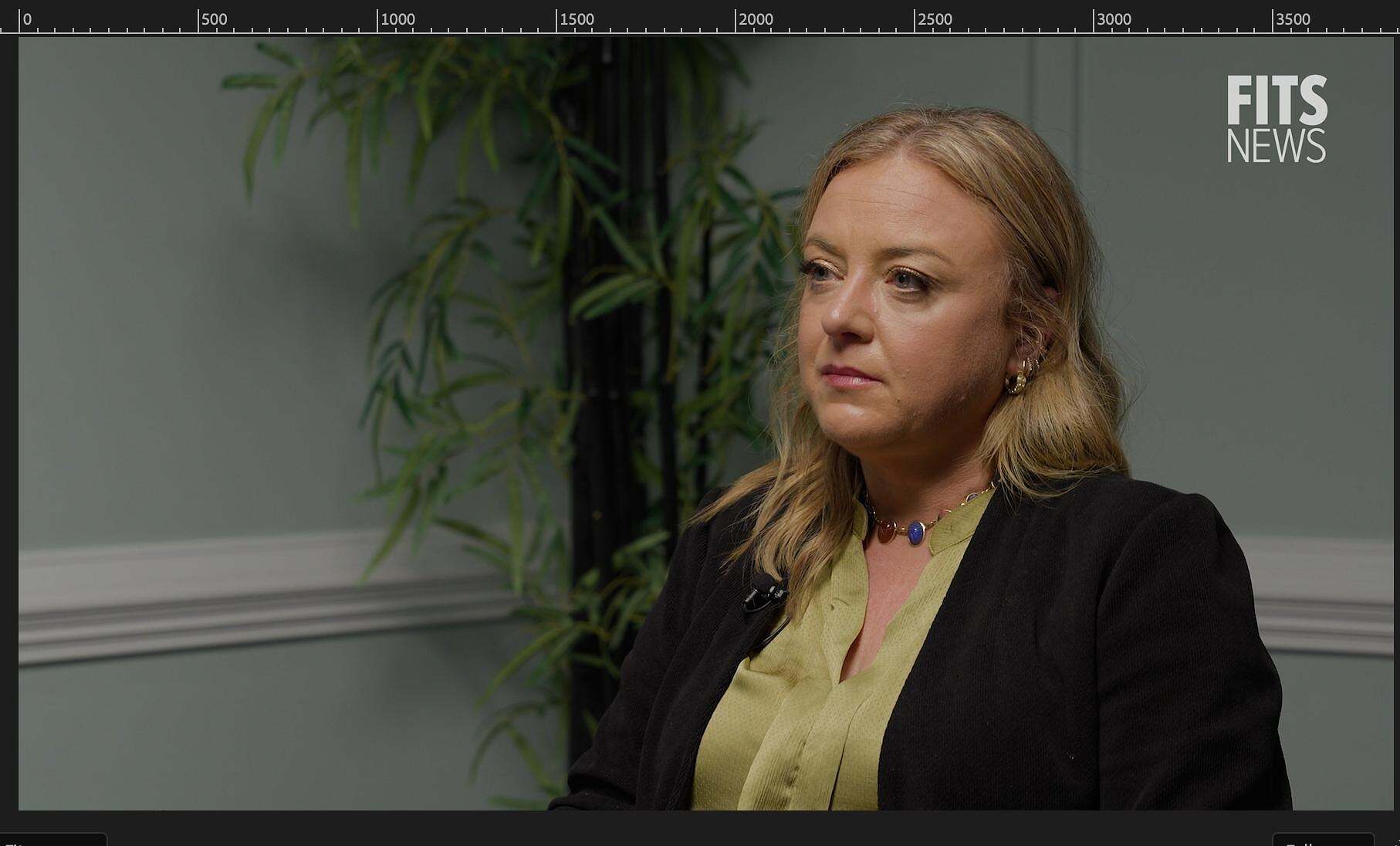
As a private investigator turned journalist, Jenn Wood brings a unique skill set to FITSNews as its research director. Known for her meticulous sourcing and victim-centered approach, she helps shape the newsroom’s most complex investigative stories while producing the FITSFiles and Cheer Incorporated podcasts. Jenn lives in South Carolina with her family, where her work continues to spotlight truth, accountability, and justice.
***
SOUND OFF…
Got something you’d like to say in response to one of our articles? Or an issue you’d like to address proactively? We have an open microphone policy! Submit your letter to the editor (or guest column) via email HERE. Got a tip for a story? CLICK HERE. Got a technical question or a glitch to report? CLICK HERE.
