

by JENN WOOD
***
Federal prosecutors in South Carolina are urging a judge to impose guideline prison sentences on former Spartanburg County Sheriff’s Office (SCSO) employees Lawson “LB” Watson and Amos Durham, arguing the pair played key roles in public corruption schemes that enabled them to enrich themselves while betraying the public trust.
In a sentencing memorandum (.pdf) filed Thursday, prosecutors contend Watson and Durham were “at the center of two significant fraud schemes led by Chuck Wright” and should receive prison sentences consistent with their advisory federal guideline ranges.
The filing comes less than two weeks before former Spartanburg County sheriff Chuck Wright is scheduled to be sentenced on July 7, 2026 with co-defendants Watson and Durham scheduled to appear before U.S. District Judge Timothy M. Cain on July 9.
Earlier filings established Watson’s advisory sentencing range at 10 to 16 months in prison and Durham’s at 6 to 12 months. Prosecutors now argue those guideline ranges appropriately reflect the seriousness of their conduct, framing Watson’s and Durham’s conduct as more than ordinary financial crimes.
Instead, they argue both men abused positions of trust within the sheriff’s office while helping facilitate corruption that damaged both deputies and taxpayers.
“For years, Watson drew a $57,000 salary and took benefits, insurance, a county vehicle, and a county phone while performing little or no work,” prosecutors wrote, adding that Durham “enabled and participated in the embezzlement of money set aside for deputies and their families in need.”
According to prosecutors, guideline sentences are necessary to “restore” public confidence.

***
Durham Accused Of Enabling Benevolence Fund Scheme
Much of the government’s filing focused on Durham’s role administering the Spartanburg County Sheriff’s Office Chaplain Benevolence Fund.
Federal prosecutors alleged Durham routinely withdrew cash for Wright despite knowing the fund prohibited cash withdrawals, wrote checks directly to Wright and helped keep the scheme operating for years. At one point, Durham reportedly admitted it became “a chess game” trying to move money around to keep enough funds in the account, telling investigators, “It was so much, I couldn’t keep up.”
The filing also alleged Durham personally benefited from the charitable account by using benevolence fund money to purchase clothing for himself and by helping facilitate checks that prosecutors say ultimately funded Wright’s prescription drug addiction.
Prosecutors estimated Wright and Durham diverted more than $95,000 from the benevolence fund.
The filing argued the consequences extended beyond financial losses.
According to prosecutors, deputies seeking emergency financial assistance were turned away because the fund had been depleted. Among those cited was a deputy whose wife was receiving hospice care for stage-four cancer. Another deputy whose home was damaged by a fallen tree was also denied assistance because money was unavailable.
While prosecutors acknowledged Wright exercised authority over Durham as sheriff, they argued Durham knowingly participated in the scheme.
“It was Wright who led the Benevolence Fund scheme,” prosecutors wrote, “but Durham knowingly helped him.”
***
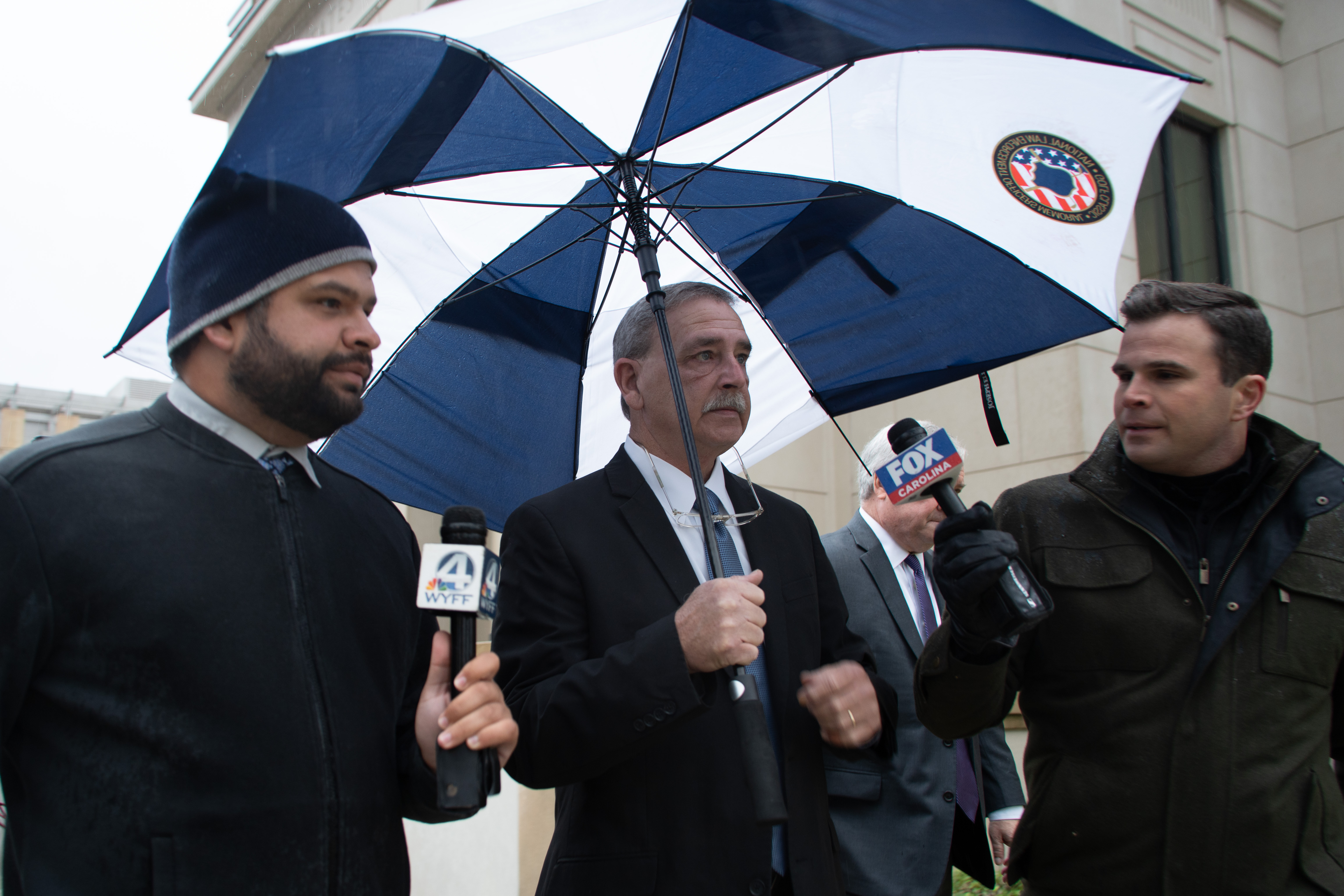
RELATED | Feds Say Wright’s Conduct Merits Prison, Not Leniency
***
Watson’s ‘No-Show Job’
The memorandum also revisited the allegations against Lawson “LB” Watson, Wright’s cousin, whom prosecutors accuse of collecting taxpayer-funded paychecks for years while performing little or no county work.
According to the filing, Watson’s employment came under scrutiny after an anonymous complaint alleged he reported to work only a handful of times each year while continuing to collect a salary.
Prosecutors said the investigation ultimately confirmed those allegations through interviews with more than twenty witnesses.
Employees allegedly told investigators “everyone knew” Watson was not working. Others reportedly described him as a “unicorn” because of his ability to collect a paycheck without showing up. The filing also alleges Watson operated his private paving business during county work hours while using county-issued equipment and vehicles.
According to prosecutors, Watson remained on the payroll because employees feared confronting someone viewed as a close ally of the sheriff.
Watson allegedly referred to himself as someone who “worked for Chuck,” while employees described him as a “friend of Chuck” whose position was effectively untouchable.
Prosecutors argued Watson knowingly accepted nearly $350,000 in salary and benefits he did not earn and should be held accountable for the sustained theft from county taxpayers.
***

RELATED | PROBE OF CHUCK WRIGHT ESCALATES
***
County Describes Lasting Damage
Beyond the financial losses, prosecutors highlighted a victim impact statement submitted by Spartanburg County describing what officials called one of the most significant breaches of public trust in county history.
According to the memorandum, county officials said Wright’s schemes depleted resources intended to help deputies in crisis, damaged morale within the sheriff’s office and caused the public to question the agency’s integrity and competence.
While prosecutors acknowledge mitigating factors—including Durham’s decades as a pastor, Watson’s age, health and lack of criminal history—they argue those considerations are already reflected in the advisory sentencing guidelines. They further contend that both men’s backgrounds in law enforcement ultimately weigh against leniency because they used the authority of the sheriff’s office to facilitate their crimes.
The government is asking Judge Cain to impose guideline sentences for both defendants, arguing prison terms are necessary to reflect the seriousness of the offenses, deter future misconduct and help restore public confidence in law enforcement.
***
THE SENTENCING MEMORANDUM
Subscriber-only document
This PDF is available to FITSNews subscribers. Get full access and be able to view documents like this one.
Subscribe for accessAlready a subscriber? Log in here
***
ABOUT THE AUTHOR …
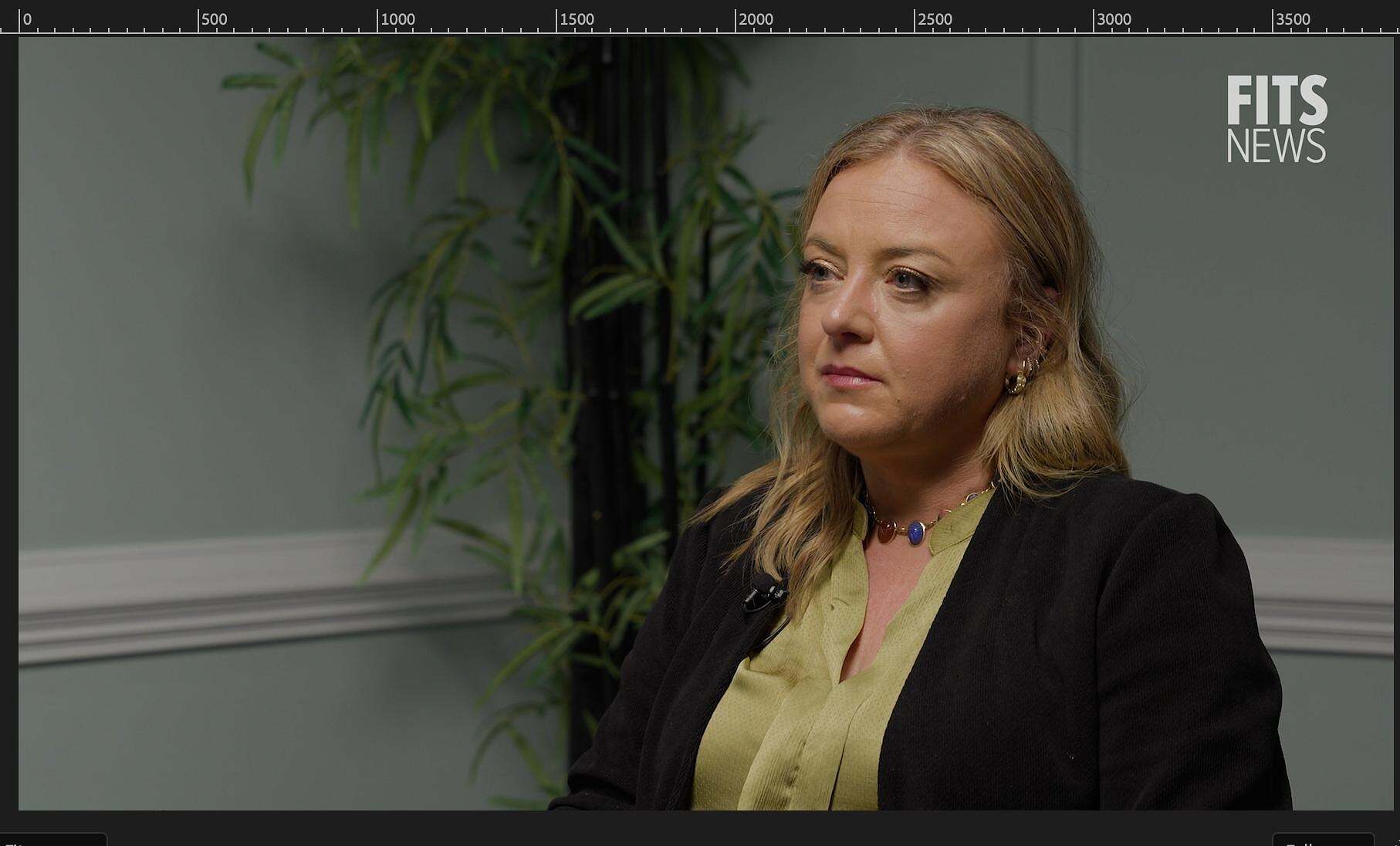
As a private investigator turned journalist, Jenn Wood brings a unique skill set to FITSNews as its research director. Known for her meticulous sourcing and victim-centered approach, she helps shape the newsroom’s most complex investigative stories while producing the FITSFiles and Cheer Incorporated podcasts. Jenn lives in South Carolina with her family, where her work continues to spotlight truth, accountability, and justice.
***
SOUND OFF…
Got something you’d like to say in response to one of our articles? Or an issue you’d like to address proactively? We have an open microphone policy! Submit your letter to the editor (or guest column) via email HERE. Got a tip for a story? CLICK HERE. Got a technical question or a glitch to report? CLICK HERE.
