
|
Getting your Trinity Audio player ready...
|
***
Columbia is about to raise your taxes and call it “road reform.”
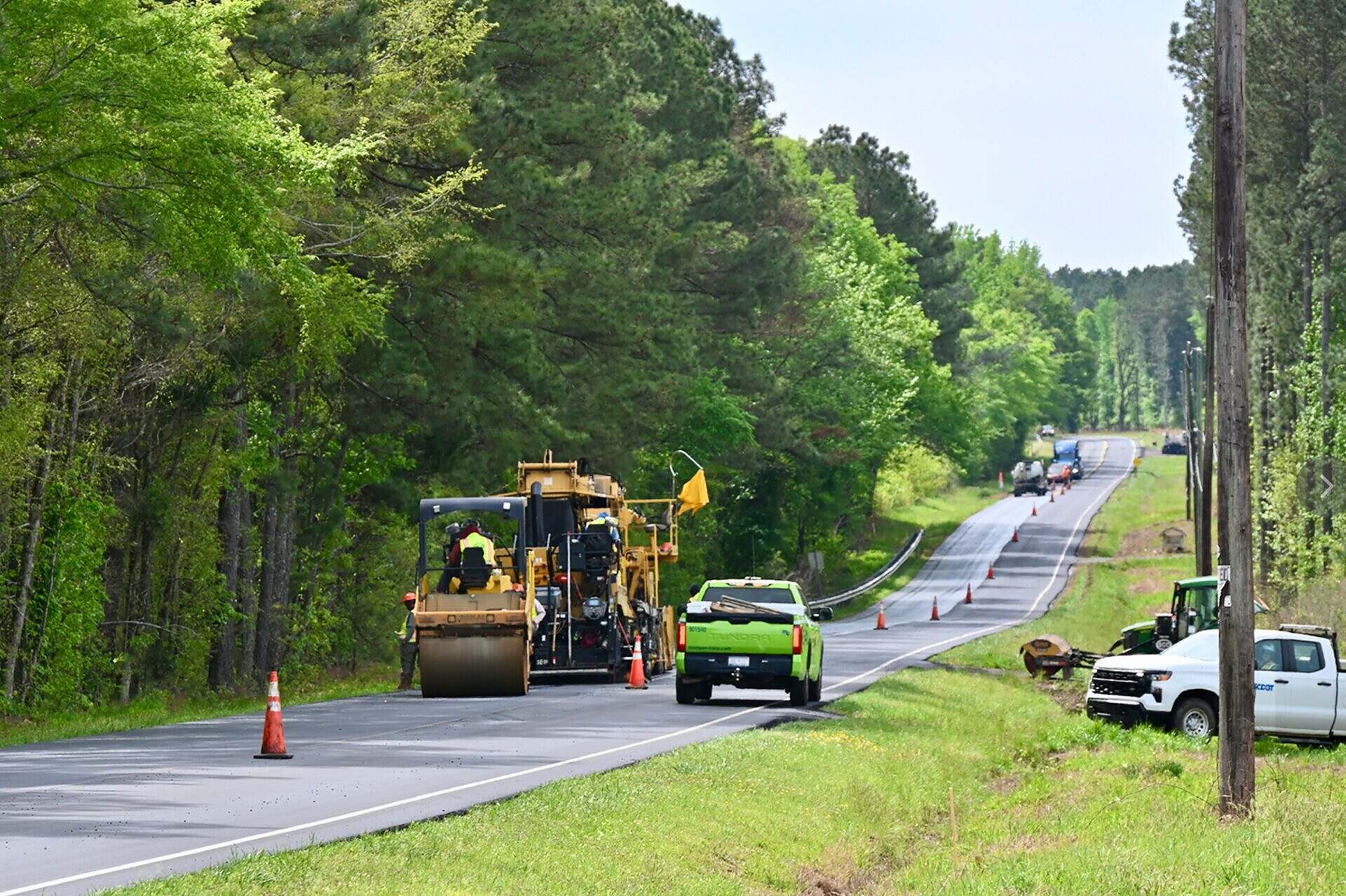
The South Carolina General Assembly is advancing S. 831 (also known as H. 5071), the so-called SCDOT Modernization Act. On April 1, the House Ways and Means Committee merged these bills and sent them to the House floor. Buried in this legislation is a plan to transfer state roads to counties – roads the state has neglected for decades.
The state keeps collecting the gas tax. That tax was raised in 2017 specifically to maintain state roads. Now the state wants to keep the money and hand off the responsibility.
The bill creates a System Realignment Fund to support these roads. But it has no dedicated funding. It only receives money if the General Assembly chooses to appropriate it, or if SCDOT decides to move money into it. There is no guarantee a single dollar follows these roads. Not this year. Not next year. Not ever.
The state keeps the revenue. Counties inherit the liability. The taxpayer gets the bill.
Here is how the bill makes that happen. First, it allows counties to impose a second transportation penny sales tax, doubling the current cap. Second, it allows counties to raise property taxes above the millage cap, as long as the money is used on these transferred roads. You pay the gas tax to Columbia. Then you pay again at home.
Same taxpayer. Same roads. Double billing.

***
Then there is control. Under Section 15, counties still need SCDOT approval to set speed limits and weight restrictions on these roads. Counties would own the roads, pay for the roads, and be blamed for the roads – while still needing permission from Columbia to manage them.
The same bureaucracy that failed to maintain these roads keeps control over how they operate.
Supporters of the bill argue the state cannot afford to maintain its road system. That is false. Columbia does not have a revenue problem. It has a discipline problem.
State revenues have grown year after year. Hundreds of millions in pork get passed out for non-essential pet projects. The gas tax brings in substantial funding. Federal infrastructure dollars continue to flow. The issue is not how much money comes in. It is how it is managed.
You do not fix that by transferring responsibility to counties and giving them permission to raise taxes. You fix it by demanding accountability from the people already in charge.
Not everyone in Columbia is on board. Representatives Micah Caskey and Kevin Hardee voted against the bill in committee. Oconee Representatives Bill Whitmire and Adam Duncan have pulled their support.
There are better options. H. 5331 would increase funding to counties for local roads without raising taxes. H. 5362 would reform SCDOT governance by making the Transportation Secretary accountable to the governor and, ultimately, the voters.
***

RELATED | LAWMAKERS PLOTTING MASSIVE CAPITOL COMPLEX EXPANSION
***
I support accountability. I support efficiency. I support clear lines of responsibility from the ballot box to the paving crew. What I do not support is the state offloading its obligations to counties without the funding to back it up.
The principle is simple. If the state transfers responsibility, the funding must follow. Anything less is a tax increase.
If this bill passes, local governments will face three choices. Raise taxes. Cut services. Or watch roads continue to deteriorate. None of those are acceptable. All of them are avoidable.
The General Assembly still has time to fix this. Remove the new taxing authority. Require guaranteed funding to follow any transferred road. Make the program truly voluntary with real protections for taxpayers. If they will not, they should vote no and start over.
South Carolinians are already paying for their roads. They should not be forced to pay twice just to clean up Columbia’s balance sheet.
***
ABOUT THE AUTHOR…
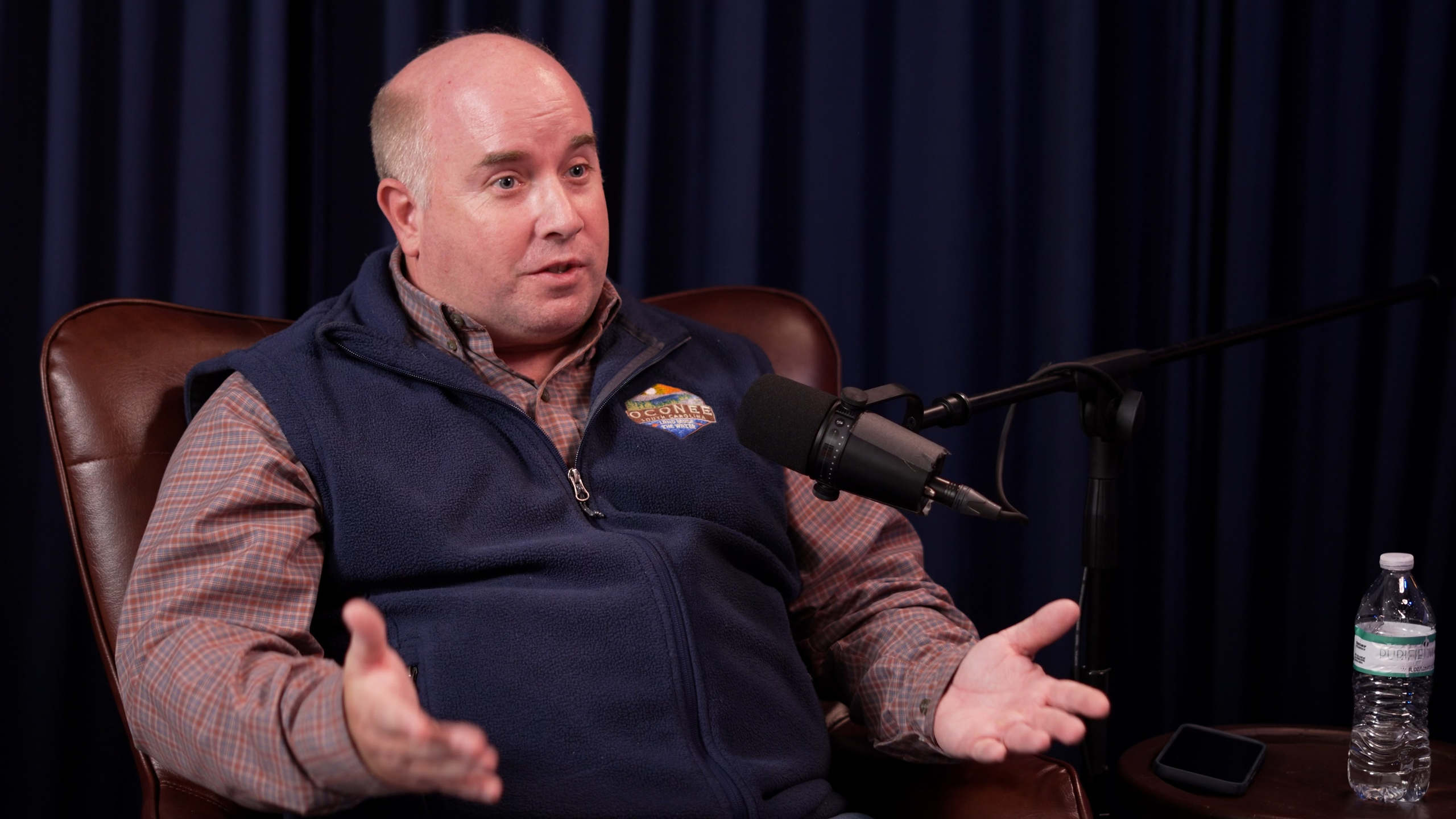
Matthew Durham is Chairman of Oconee County Council and founder of Oconee County Conservatives, a 501(c)(4) grassroots organization focused on advancing conservative principles and promoting accountability in local and state government.
***
SOUND OFF…
Got something you’d like to say in response to one of our articles? Or an issue you’d like to address proactively? We have an open microphone policy! Submit your letter to the editor (or guest column) via email HERE. Got a tip for a story? CLICK HERE. Got a technical question or a glitch to report? CLICK HERE.
