
by MARK POWELL
***
You don’t hear the phrase “imperial presidency” much these days. While Arthur Schlesinger intended the title of his 1973 book by that name as a dig at Richard Nixon’s administration, it quickly morphed into a much broader reference.
By the latter part of the 20th Century, the American presidency had swollen into a bloated establishment unto itself, drunk on its own self-importance. True, Americans frequently connected on a personal level with the chief executives they selected at the ballot box (the folksy Jimmy Carter and the affable Ronald Reagan, for instance).
But the presidential institution remained chiseled in marble every bit as solid as the Lincoln Memorial.
So whenever a president, or even a former one, breaks from the imperial presidency’s trappings, folks sit up and take notice.

***
Thus, it made headlines when Joe “Aw shucks, guys, I’m just a kid from Scranton” Biden showed up on a commercial flight from Washington, D.C. to Columbia, S.C., last Friday. True, the former president flew first class on American Airlines (third row). But Biden played it off as nothing out of the ordinary. He was the same guy who, after all, took Amtrak as a U.S. senator daily from D.C to his Delaware home.
It’s worth noting that while Biden himself acted like traveling among everyday Americans was nothing out of the ordinary, his handlers made sure news reporters and photographers were on hand to capture the moment.
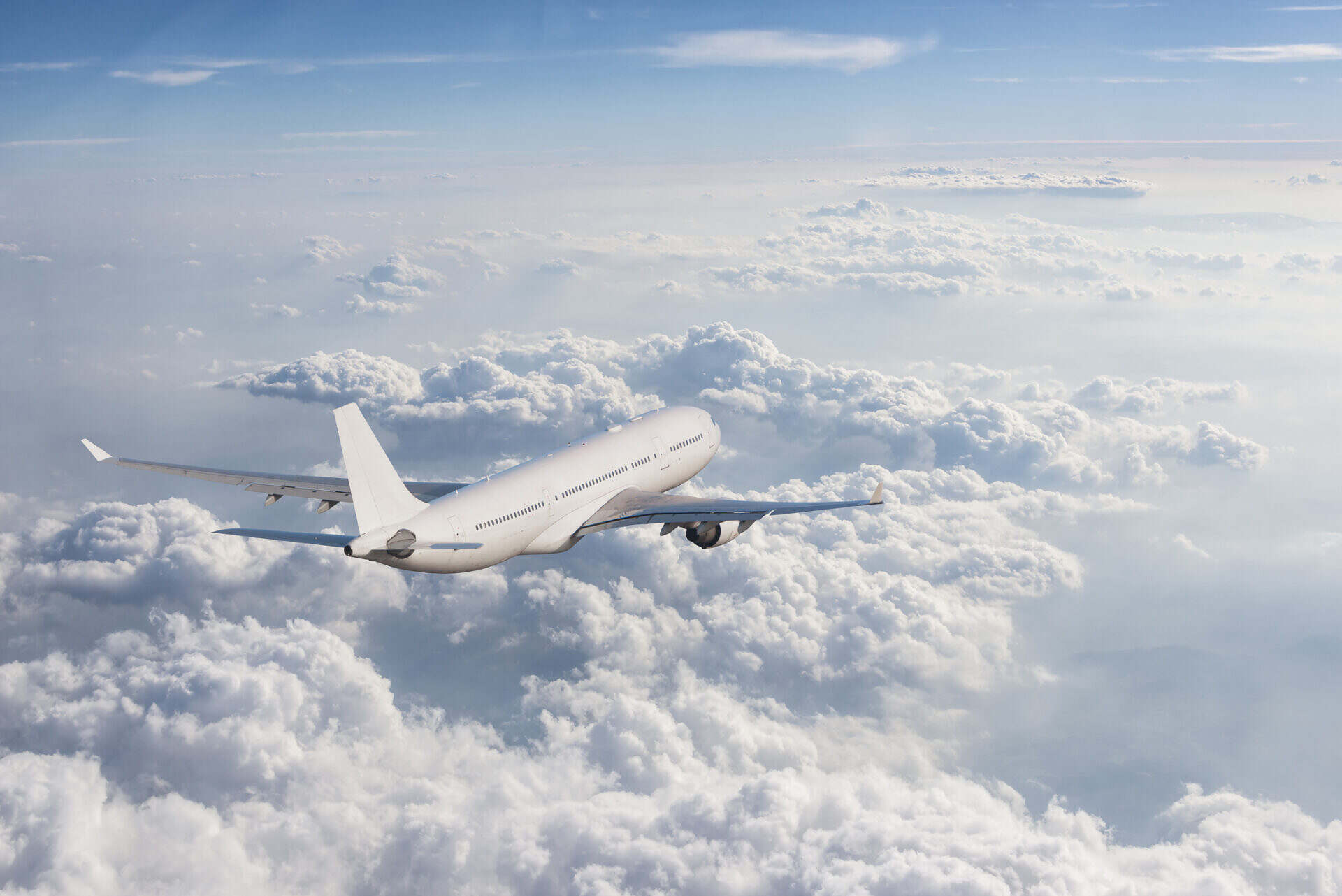
Still, Biden’s high-profile flight makes this an ideal opportunity to revisit the time another president flew commercial – and that one was an incumbent.
There was the usual shuffle of passengers finding their way to their seats that Wednesday morning in December 1973. It was the day after Christmas, and they were no doubt looking forward to leaving cold, dreary D.C. for warm, glittering Los Angeles.
***
NEW LIVE SHOW WEDNESDAYS @ 7:00 P.M.

***
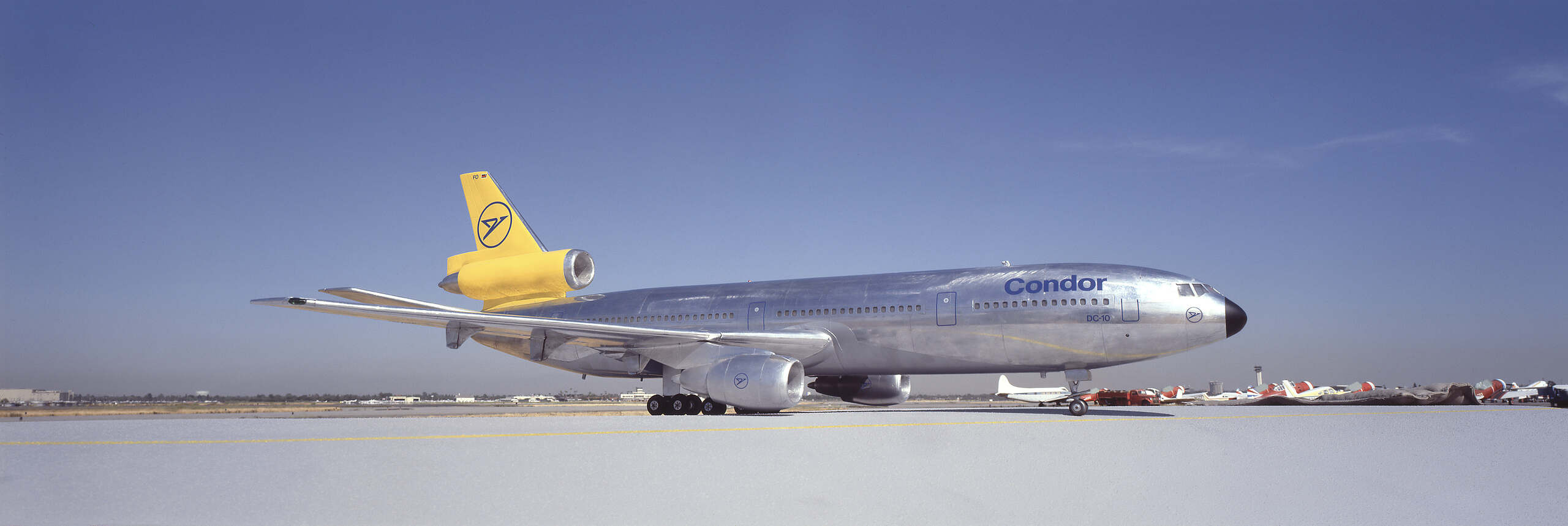
Departure time for Continental Flight 55 was fast approaching when there was suddenly a flurry of activity at the boarding gate. Security and plainclothes officers swarmed the concourse. Then, with no advance notice or fanfare, the extraordinary happened.
President Nixon, his wife Pat, daughter Tricia, and about two dozen Secret Service agents and White House staffers joined them in boarding the plane.
They say having the luxury of Air Force One at his beck and call is one of the great perks a president can enjoy. So the fact he was passing it up to ride alongside Joe and Mary Sixpack on the airline whose slogan was “We really move our tail for you” was remarkable.
However, Nixon was doing more than sneaking off with the family for a New Year’s getaway to sunny Southern California. He was going commercial to make a statement.
The trip took place during the height of OPEC’s oil embargo against the United States, the event that triggered the infamous energy crisis of the 1970s. For years, Arab oil-producing countries had been practically giving away their petroleum to the United States for a song. The American economy rested on a foundation of cheap gasoline and oil. Then the Arabs abruptly turned off the tap in October 1973 in retaliation for U.S. support of Israel during the Yom Kippur War.
***
***
In no time, the price of oil quadrupled, throwing fire on a domestic economy already gripped by recession. Prices at the pump hit the scandalously high price of .50 cents a gallon for the first time. The problem was serious… and growing more so with each passing month.
Amidst that backdrop, the Nixon party went along for the ride on that transcontinental flight in late December. The trip carried a message: the need to conserve fuel was so urgent that even the president was doing his bit by skipping Air Force One to save jet fuel.
The Nixons mingled with their astonished fellow travelers. They chatted freely, posed for pictures, and by all accounts had a jolly good time.
Whether the stunt saved any petroleum, however, was questionable. A backup jet filled with communications equipment followed in Flight 55’s wake. And since the Cold War was still underway, jet fighters also accompanied the aerial entourage at a respectful distance.
But as they say, it’s the thought that counts.
However, Nixon’s flight wasn’t the first time a sitting president went commercial. That happened thirty years earlier.
***
***
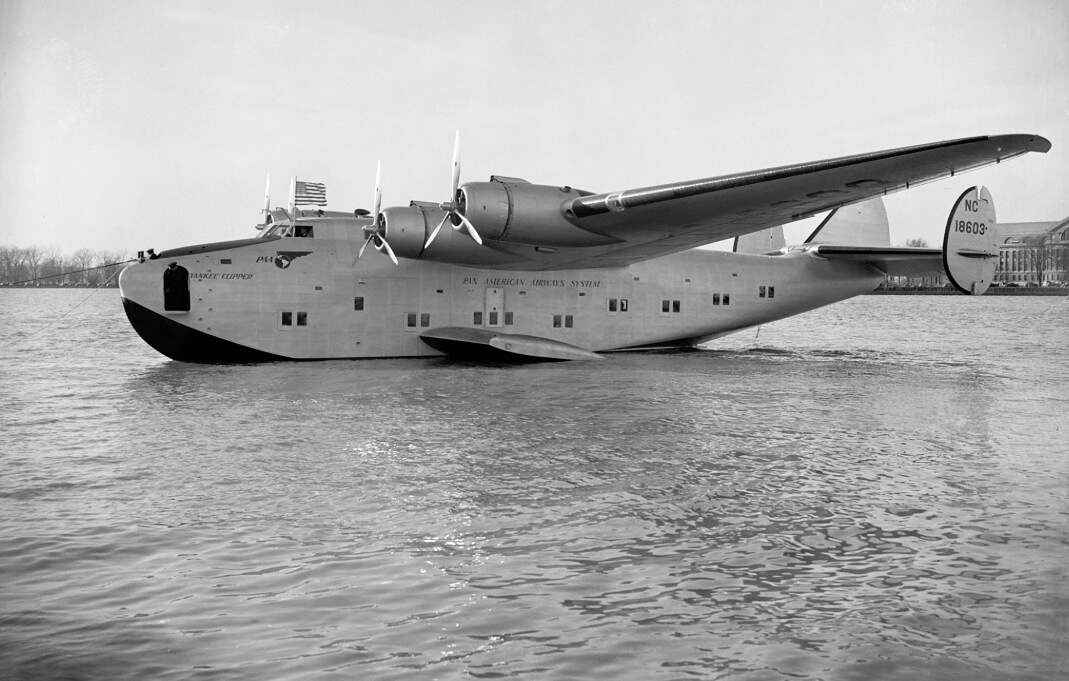
Believe it or not, when President Franklin Roosevelt headed to World War II’s important Casablanca Conference in Morocco in early 1943, he flew there on board a Pan American World Airways Boeing 314 named the “Dixie Clipper.” As a “flying boat,” it was under U.S. military control at the time. But it was still considered a private commercial flight.
The trip made history for another reason as well. The flight from Trinidad to Brazil and then on to North Africa was the first time a sitting president had ever flown overseas.
So, while presidents and ex-presidents travelling on commercial airliners isn’t unprecedented, such flights are about as common as four-leaf clovers.
***
ABOUT THE AUTHOR…
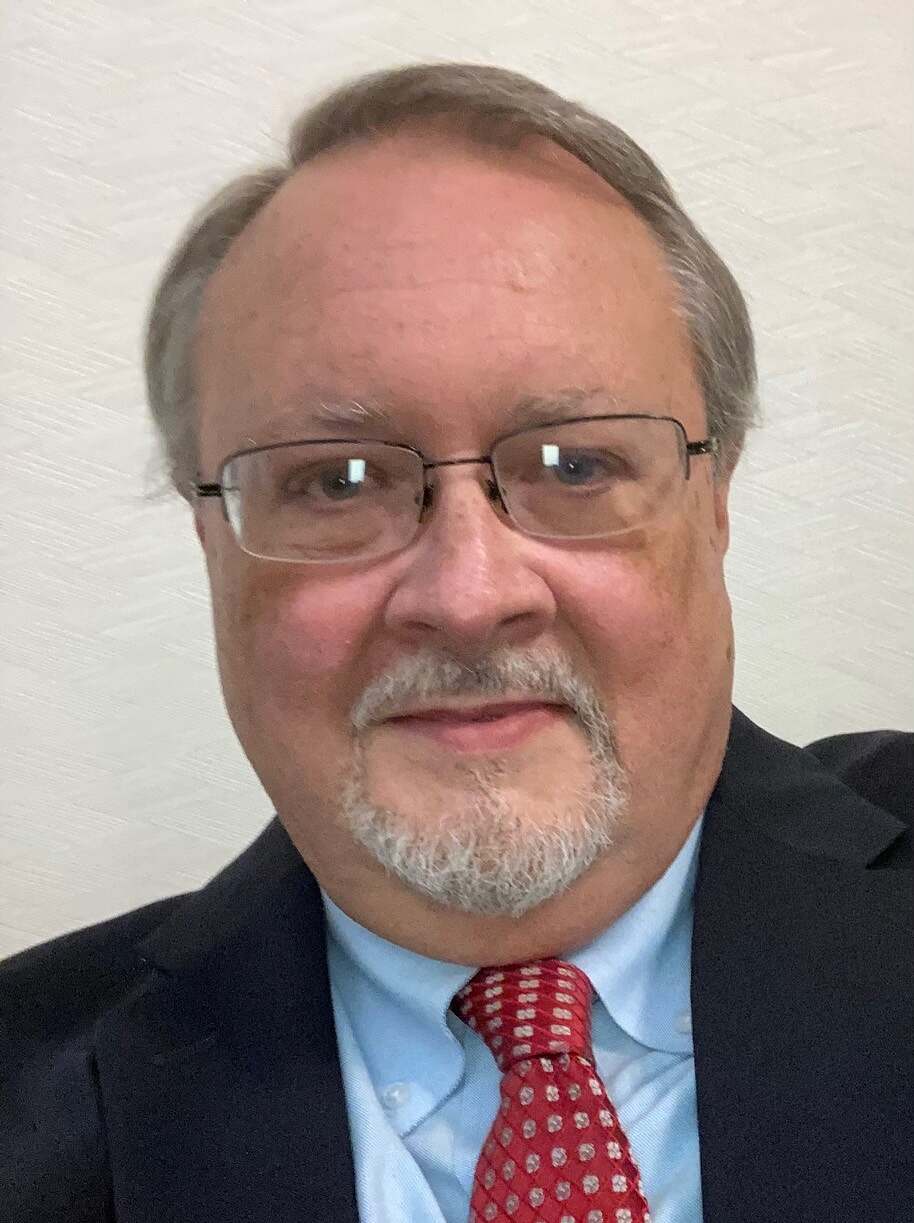
J. Mark Powell is an award-winning former TV journalist, government communications veteran, and a political consultant. He is also an author and an avid Civil War enthusiast. Got a tip or a story idea for Mark? Email him at mark@fitsnews.com.
***
SOUND OFF…
Got something you’d like to say in response to one of our articles? Or an issue you’d like to address proactively? We have an open microphone policy! Submit your letter to the editor (or guest column) via email HERE. Got a tip for a story? CLICK HERE. Got a technical question or a glitch to report? CLICK HERE.

4 comments
Truman drove himself home to Independence, MO in his personal automobile after leaving office – no security, no hullabaloo, just Bess and Harry S Truman, citizen.
Yep – and in addition, Truman didn’t go around trying to cash in on his presidency – in fact, his financial condition deteriorated so badly that once it became known back in D.C., Congress passed the act to create a post presidential pension program to ensure former presidents would not face such an indignity.
Hey Mister Fizznews Historian–a good story everyone ought to reminisce about, and timely considering the current events, is the time the “affable” Ronald Reagan made a deal with Iran to have the hostages held until his Inauguration Day. What a guy!
That’d be a great story if it were true. Both the house and senate investigated and both found the allegation to be not credible.