
by JENN WOOD
***
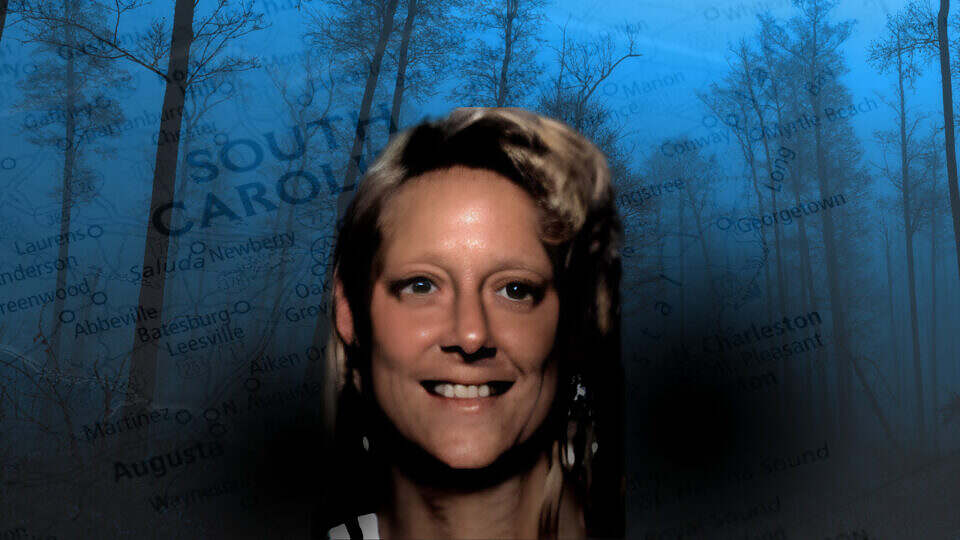
On the afternoon of April 24, 1993, Andrea Lynn Hayslette seemingly vanished without a trace from her Surfside Beach apartment just south of Myrtle Beach, South Carolina.
Andrea wasn’t simply another missing person. She was a wife, the mother of two young children and a straight-A Coastal Carolina University student who was just weeks away from completing her degree. Between classes, a part-time job at the university and raising her family, those who knew her described a woman determined to build a better future for herself and those who depended on her.
Then, without warning, the 29-year-old disappeared.
She never sat for her final exams. She never collected her last paycheck. More than three decades later, investigators still believe Andrea was murdered — although no one has ever been convicted and her body has never been found.

***
A LIFE INTERRUPTED
The first signs something was terribly wrong emerged almost immediately.
Andrea had been expected to meet her parents after they returned from a trip to Disney World with the couple’s oldest child. When she couldn’t be reached, nervousness quickly gave way to panic. Her father reported her missing on April 28, 1993 after Andrea’s husband, Larry Hayslette, allegedly told the family he had not seen her for several days.
As detectives began piecing together her final known movements, they found little to suggest Andrea had chosen to leave. Her Dodge van remained parked outside the couple’s apartment. Her bank account and credit cards were never used again. She failed to collect a paycheck from Coastal Carolina, where she worked part-time, and despite her stellar academic record she never appeared for her final exams.
***

***
The evidence fit neither the life Andrea had built nor the woman investigators came to know through dozens of interviews. Friends, professors, coworkers and family members consistently described her as a devoted mother, a dedicated student and someone deeply committed to her children and close-knit family. Detectives interviewed scores of people over the course of the investigation, yet none believed she would voluntarily abandon the life she had worked so hard to build.
Investigators ultimately reached the same conclusion. Throughout the investigation, Horry County detectives publicly maintained they believed Andrea was the victim of foul play, with former homicide investigator Russell Jordan repeatedly saying the facts simply did not support the theory that she had started over somewhere else.
How, investigators asked, does a mother walk away from her children without taking money, clothing or even returning for the future she had worked so hard to build?
***
A TURNS TOWARD HOME…
As detectives dug deeper into Andrea’s disappearance, their attention increasingly focused on the person closest to her — her husband.
Police records revealed Larry Hayslette had a troubling history of domestic violence. Several years before Andrea disappeared, he was convicted of criminal domestic violence after she reported that he grabbed her by the throat, shoved her to the floor and locked her inside a bathroom for nearly two hours. Responding officers documented injuries, while Andrea’s family later said they had no idea the abuse had occurred until after she vanished.
Investigators also found Larry’s actions following Andrea’s disappearance suspicious. Within weeks, he relocated to West Virginia, leaving the couple’s two children with Andrea’s parents. He later served prison time there after forging Andrea’s signature to sell her pickup truck — an offense unrelated to Andrea’s disappearance but one that further complicated investigators’ view of the case.
Then came the statements that would shape the investigation for years.
Andrea’s youngest daughter, Katie Hayslette, was not yet three years old when her mother disappeared. According to investigators and later court records, she told a therapist, “daddy hurt mommy” and “daddy put mommy in the bushes.” Those statements became one of the most significant pieces of evidence investigators possessed and ultimately formed the backbone of prosecutors’ theory that Andrea had been murdered.
Former solicitor Ralph Wilson publicly stated he believed Larry Hayslette was responsible for Andrea’s death, but acknowledged the extraordinary challenges prosecutors faced. Without a body or significant physical evidence, much of the case hinged on whether Katie’s recollections could ultimately be presented to a jury. Wilson described the little girl as bright and articulate, but questioned whether asking a child so young to testify would be in her best interests — or withstand aggressive cross-examination.
Despite the mounting scrutiny, Hayslette consistently denied harming his wife.
***
RELATED | Michael Akey’s Last Ride
***
A CASE WITHOUT A BODY…
Despite the enormous challenges, prosecutors took the unusual step in March 1996 of charging Larry Hayslette with Andrea’s murder — even though her body had never been recovered.
Former solicitor Wilson argued a homicide prosecution could conceivably succeed without human remains, pointing to another Horry County “no-body” murder case involving businessman Ernest Lee Vereen. At the same time, however, he acknowledged the Hayslette investigation lacked much of the physical evidence that strengthened the earlier prosecution and instead rested largely on circumstantial evidence.
At the heart of prosecutors’ case was Andrea’s youngest daughter, Katie. If the case went to trial, her testimony would almost certainly become the centerpiece.
It never did.
Just months after filing the murder charge, prosecutors voluntarily dismissed the case, concluding they no longer had sufficient admissible evidence to prove Larry Hayslette’s guilt beyond a reasonable doubt. Wilson made clear the decision did not reflect a change in his belief about what had happened to Andrea. Rather, psychologists warned that requiring five-year-old Katie to testify could cause lasting emotional harm – prompting prosecutors to determine they could not move forward without placing the child at risk.
Without her testimony, prosecutors believed their case was no longer strong enough to secure a conviction. Wilson emphasized, however, that dismissing the charge did not mean abandoning the investigation. He publicly maintained that Andrea had been murdered – and left open the possibility that charges could be refiled if additional evidence was ever uncovered.
***
THE SEARCH CONTINUES…
Although the murder charge was dismissed, investigators never stopped looking for Andrea.
Over the years, detectives repeatedly searched wooded areas throughout Horry County after receiving tips from confidential informants, members of the public and even self-described psychics. Search teams combed areas near Deerfield Plantation, electrical substations and other remote locations where investigators hoped Andrea’s remains might eventually be found.
One search uncovered what appeared to be bloodstained clothing, briefly raising hopes the investigation had finally turned a corner. Laboratory testing, however, failed to connect the evidence to Andrea. Detectives ultimately interviewed well over one hundred witnesses during the course of the investigation, but every promising lead ended the same way — with more questions than answers.
Nearly two decades after his mother disappeared, Andrea’s son Ryan publicly renewed his family’s plea for justice. By then an adult, he said he believed advances in DNA technology, combined with the possibility that someone’s conscience had changed over time, could still bring the truth to light.
Former Horry County investigator David Avant shared that optimism, noting that law enforcement had long believed Andrea was the victim of foul play while expressing hope that evolving forensic techniques or new witnesses could eventually break the case open.
Ryan has never stopped searching for answers. Neither has his grandmother, Selma Reburn, who raised Andrea’s children after her disappearance and spent years keeping her daughter’s case in the public eye.
***

***
THIRTY-THREE YEARS LATER
Today, Andrea Lynn Hayslette remains listed in the National Missing and Unidentified Persons System (NamUs) as a missing person, though investigators have repeatedly stated publicly that they believe she was murdered.
According to NamUs, Andrea was approximately 5-foot-4, weighed around 100 pounds and had blonde hair, blue eyes and a small scar on her forehead. She was last believed to be wearing a white silk top over a white mesh shirt, white shorts and white Reebok tennis shoes.
Andrea Hayslette has never been found. No one has ever been convicted in connection with her disappearance. But investigators have never closed the case.
Anyone with information about what happened to Andrea is urged to contact the Horry County Police Department (HCPD) at 843-915-5350.
After more than three decades, investigators — and Andrea’s family — hope against hope that someone knows the one piece of information that could finally bring resolution.
***
ABOUT THE AUTHOR …
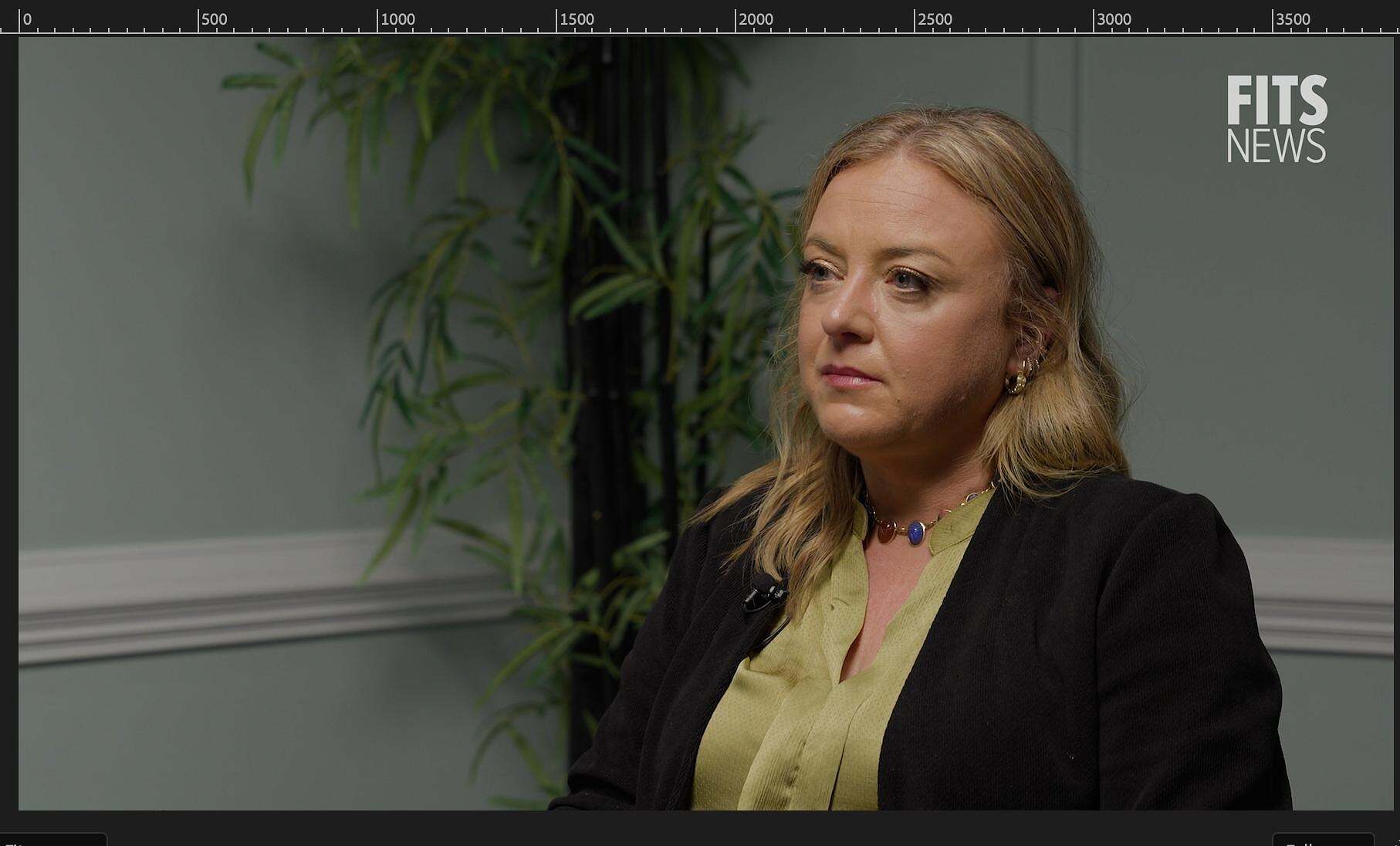
As a private investigator turned journalist, Jenn Wood brings a unique skill set to FITSNews as its research director. Known for her meticulous sourcing and victim-centered approach, she helps shape the newsroom’s most complex investigative stories while producing the FITSFiles and Cheer Incorporated podcasts. Jenn lives in South Carolina with her family, where her work continues to spotlight truth, accountability, and justice.
***
SOUND OFF…
Got something you’d like to say in response to one of our articles? Or an issue you’d like to address proactively? We have an open microphone policy! Submit your letter to the editor (or guest column) via email HERE. Got a tip for a story? CLICK HERE. Got a technical question or a glitch to report? CLICK HERE.

1 comment
Requiring her to testify would cause lasting emotional harm? WTF, I guess seeing her mom murdered wouldn’t have already done that.