

by MARK POWELL
***
It’s not the kind of thing that often comes up during a coffee chat with your bestie. In fact, women are often reluctant to talk about it at all – with good reason.
Who likes admitting they have bladder-related issues? No one – yet it’s unbelievably common.
“I would say it impacts anywhere from 50% to 75% of all women,” said Dr. Collin McKenzie, MD, at Lexington Urogynecology. “By age 75, more than 75% of women will indicate that they have one or more of these issues.”
There’s even a name for it.
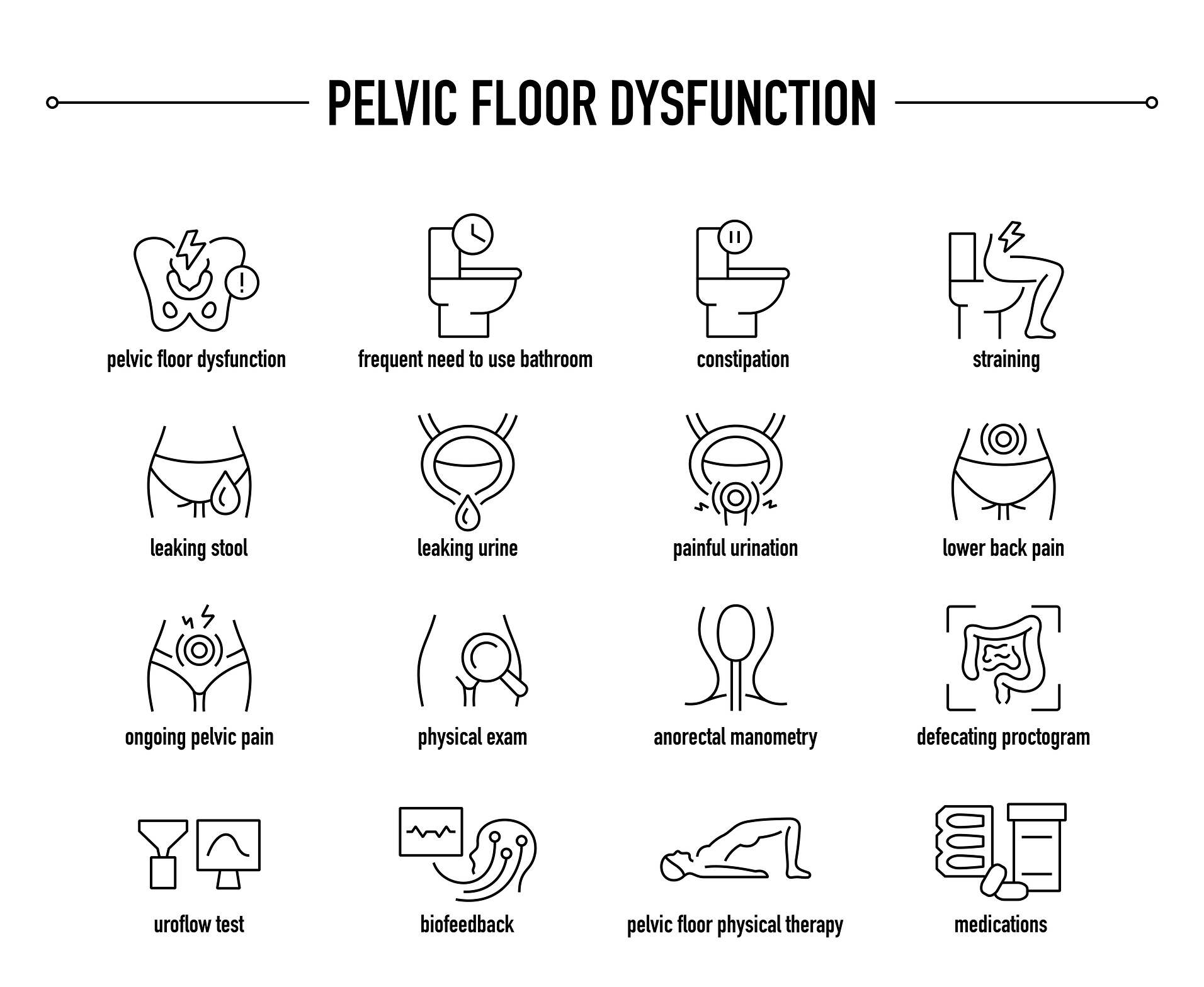
“Pelvic floor disorders are a catch-all term for a group of issues that impact women in particular,” Dr. McKenzie said. “They are urine leakage and pelvic organ prolapse. The latter is something not a lot of people hear about or talk about; but it is essentially a loss of support to the pelvic organs.”

***
This loss of support results in the involuntary need to relieve oneself. Sometimes it’s a sprinkle, sometimes it’s a deluge.
“The other big category is urinary leakage or urinary incontinence,” Dr. McKenzie continued. “It has two parts. There’s the overactive bladder. You may remember the television commercial, ‘gotta go, gotta go, gotta go right now.’ That’s overactive bladder, in which a patient may get the urge to go to the bathroom and not be able to make it there in time without an accident.”
“The other type of leakage that people commonly associate with after childbirth is stress incontinence,” Dr. McKenzie explained. “It’s better known as ‘cough, laugh and sneeze’ leakage – so that falls under the umbrella of pelvic floor disorders.”
***

***
What causes these conditions?
“All of these problems have a few things that contribute to their occurrence,” Dr. McKenzie noted. “Vaginal deliveries are one of them. After delivery, we often see some of these disorders develop. The other big contributing factors are age and post-menopausal status. After a woman has gone through menopause and her hormone levels drop off, that’s when we start to see these issues really become more prevalent and more bothersome to patients.”
The bad news: It’s especially annoying. The good news: It’s not medically serious.
“These issues aren’t life-threatening, but they are life-altering,” Dr. McKenzie advised. “I tell my patients nobody dies from these issues, but they can make a tremendous impact on their quality of life. I never want a patient to feel pressured to have something done about their problems, but I do want them to know their options. So, if it’s bothersome to a patient, I recommend they get it evaluated.”
When it comes to treatment, Dr. McKenzie said a wide range of options are available.
***
RELATED | KEEPING YOUR SPINE AND BACK SAFE
***
“Options vary depending on the pelvic floor disorder the patient presents with,” he said. “Fortunately, most of these procedures are minimally invasive. They can often be done in the outpatient surgery center, and almost every surgery we perform allows the patient to go home the same day. For things like an overactive bladder, sometimes medications are all that’s needed for treatment. For ‘cough, laugh, sneeze’ leakage, that’s a little more complicated because usually it involves the urethral sphincters and muscles. There’s not a great medication for that type of leakage.”
“Now, for pelvic organ prolapse, where the bladder or uterus has fallen, pelvic floor strengthening can help with that,” Dr. McKenzie noted. “We have some non-surgical options as well as minimally invasive surgeries. This could be surgery at the outpatient surgery center through the vagina or using the DaVinci robot we have here at Lexington Health, where we use small incisions to perform this minimally invasive trans-abdominal procedure.”
When should a woman see a doctor?
***
***
“I would say when it’s bothering you,” Dr. McKenzie advised. “Are you changing what you do? Are you changing how you live because of what you’re experiencing? If it’s causing you any sort of distress or it is altering your life, then at least come in and hear the options available to you so that, at a minimum, you know what you can do.”
Dr. McKenzie stressed women don’t need a referral to see a specialist. They can talk about it with their family doctor or make an appointment directly with a urogynecologist. Finally, Dr. McKenzie was asked if, after treatment, patients ever say they wish they had done it sooner.
“I hear that every single day,” he said. “Unfortunately, women will put everybody’s health above their own. They have a ton of responsibilities to the family. As caregivers, they often shoulder more burden than they probably should. And so my big takeaway for a lot of women is make sure you take care of yourself. Get checked out. And don’t be afraid to bring it up.”
***
ABOUT THE AUTHOR…

J. Mark Powell is an award-winning former TV journalist, government communications veteran, and a political consultant. He is also an author and an avid Civil War enthusiast. Got a tip or a story idea for Mark? Email him at mark@fitsnews.com.
***
SOUND OFF…
Got something you’d like to say in response to one of our articles? Or an issue you’d like to address proactively? We have an open microphone policy! Submit your letter to the editor (or guest column) via email HERE. Got a tip for a story? CLICK HERE. Got a technical question or a glitch to report? CLICK HERE.
