
by MARK POWELL
***
Spring is in full swing. Gardeners are planting flowers and vegetables, athletes are playing their favorite sports and joggers and bicyclists are back on the trails.
As you might expect with that increased activity, doctors are seeing an uptick in patients complaining of back and spine problems.
“When you put stress on your muscles, they need time to recover,” said Dr. J. David Li, Interventional Pain Specialist at Lexington Health. “Spring is here, and we all want to get out and garden. We live in South Carolina, so everybody wants to get out and golf. But the more you exert those muscles, the more you need to make them and your soft tissues less prone to injury.”
A physician at Lexington Health’s Brain and Spine Institute, Dr. Li sees an increase in patients presenting with these types of problems at this time of year. He works with them to help minimize the potential negative impacts of such issues on their daily routines.

***
“It can really affect every aspect of your life,” Dr. Li said. “Whether it’s doing things you love like gardening, playing with grandkids, just enjoying your pets or even doing everyday things around the house – like washing dishes and cleaning – it makes everything harder.”
One of the keys to avoiding injury from over-exertion? Regular activity.
“The single best thing people can do to maintain good back and spine health is to be active,” Dr. Li explained. “It really goes a long way in keeping away the pain in that part of the body.”
Dr. Li went on to note an important distinction between soreness and pain.
“We need to know if it’s something chronic or something acute.” he said. “Take things like going to the gym or doing lawn work: if you haven’t done them in a while, you may experience aches and soreness. You might be a little bit more tender than usual. But the question to ask is: how long does it last? Most soreness, aches, and pain go away after a day or two if you use conservative measures like ice, heat, and anti-inflammatories such as Tylenol or Advil. But if there’s something more significant than that – whether it’s a strain, a tear, or any sort of more serious injury, it can be quite problematic.”
***
***
And that, Dr. Li explains, is when the issue starts to create a major hassle for patients.
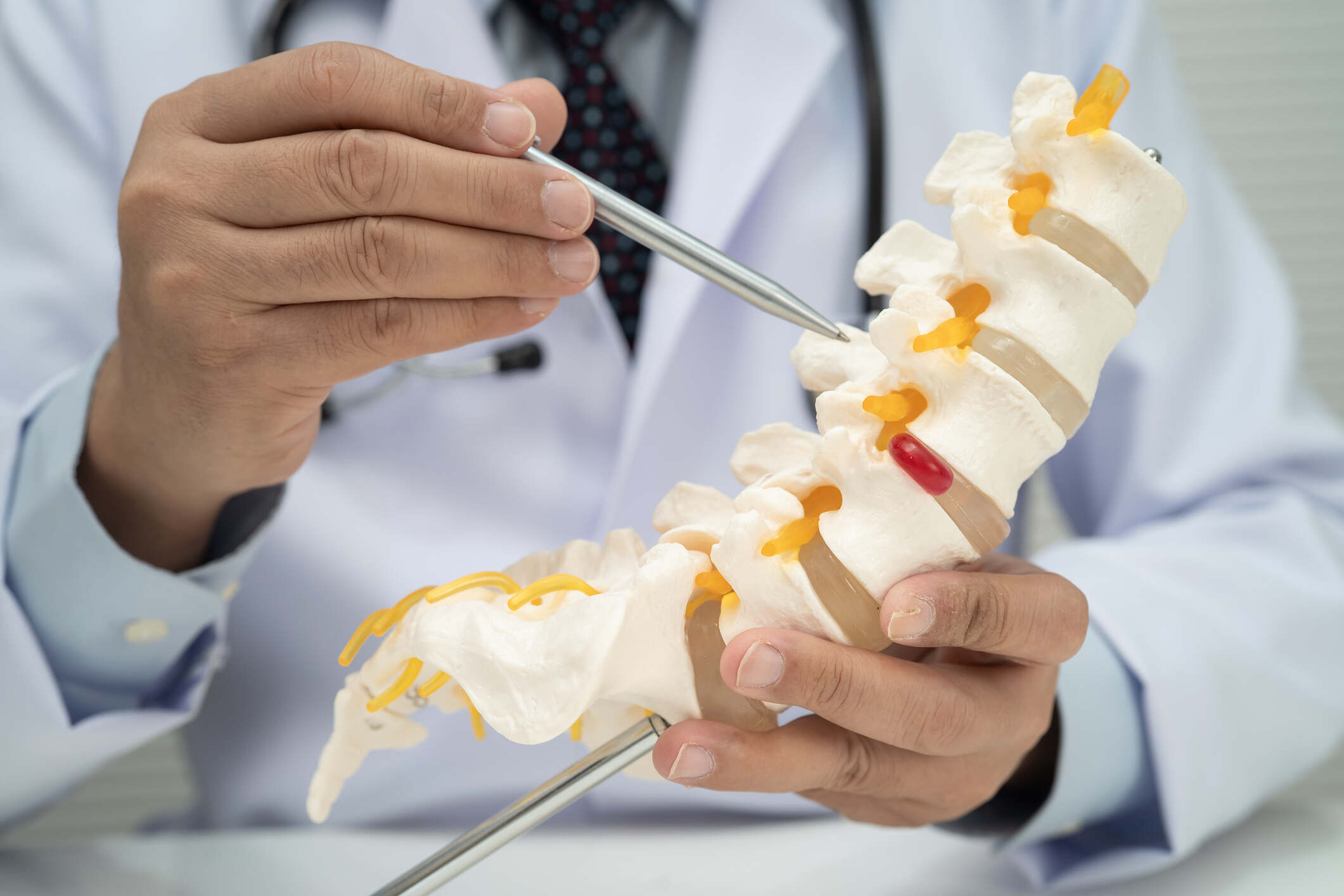
”It can limit your ability to position yourself, stand up straight and lift things,” Dr. Li said. “And it can certainly affect other parts of your body – like sciatica or a herniated disc.”
What can be done when problems arise?
“We’re looking for red flag symptoms,” Dr. Li said. “Rather than just the pain, we’re looking to see if there are neuro deficits – things like loss of bladder control, or a sudden severe weakness in your legs. The biggest thing people will notice is something called a foot drop – which is the inability to essentially point your toe to the sky. That’s a big red flag symptom. The other is called saddle anesthesia, which is numbness and tingling along the groin region. Those two indications suggest there might be something more than just your regular aches, pain and strain.”
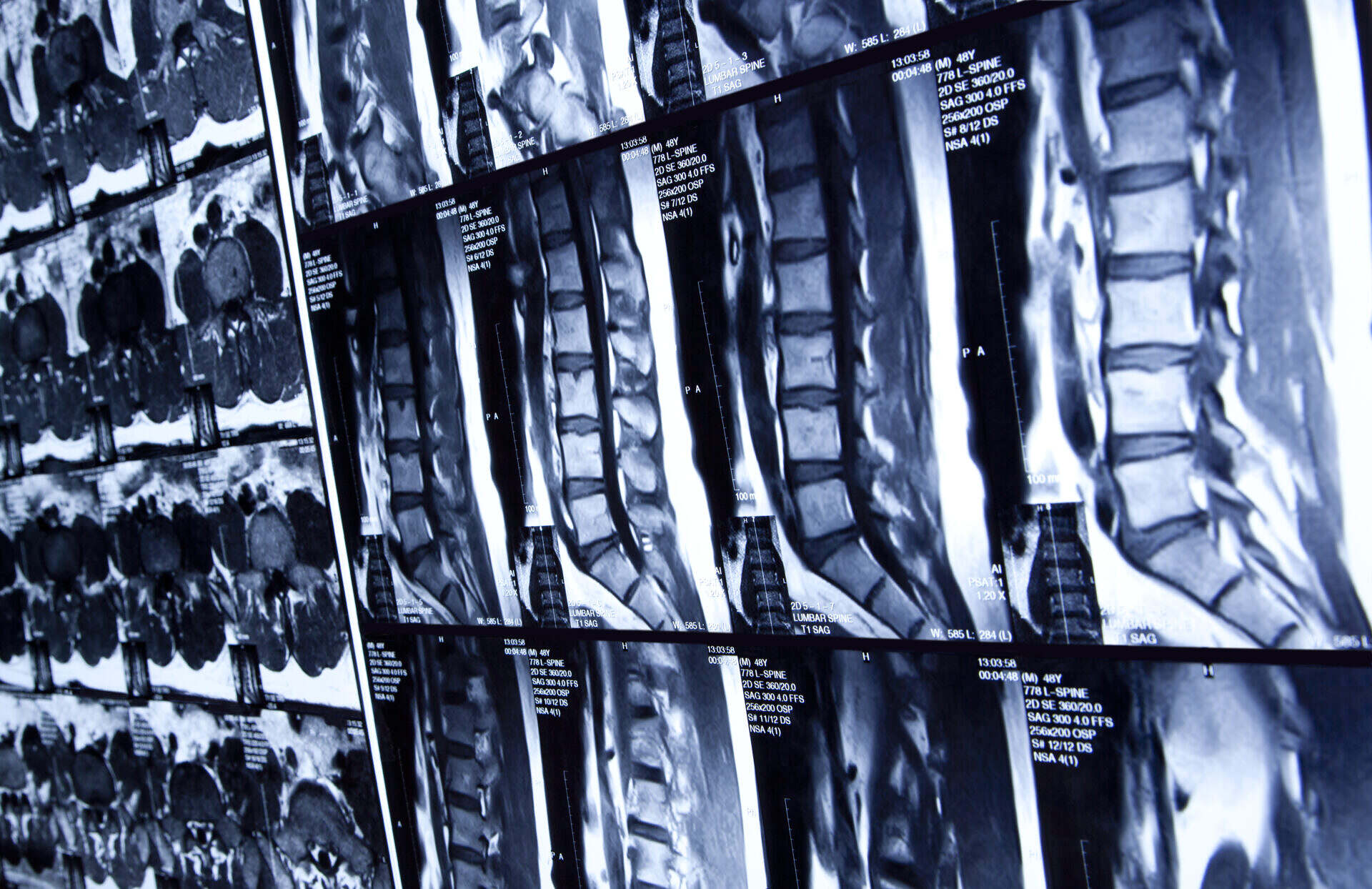
According to Dr. Li, such lingering injuries often require “further imaging to make sure that there’s no significant pressure on the spinal cord or the nerves themselves.”
***

***
What’s the best way to limit exposure to these injuries in the first place? Believe it or not, the best preventive strategy is astonishingly simple: just stay active and healthy and use your common sense.
“If you are going to be active, use proper safety precautions,” Dr. Li said. “If you know you’re going to help your child move into the dorm at college, for example, just make sure you don’t overdo it. Don’t lift anything you know is going to be painful.”
Dr. Li also encouraged the use of proper lifting techniques – including keeping loads close to the body and lifting with your legs, not your back.
Another word of advice? Pace yourself…
“We live in a very go-go-go world, and everybody wants to get things done right away, ” Dr. Li said. “But it’s certainly not worth potentially injuring yourself. So if you have a big project or task that requires physical exertion, having a helping hand – or dividing the task so you’re not overexerting yourself – is always a smart thing to do.”
***
ABOUT THE AUTHOR…

J. Mark Powell is an award-winning former TV journalist, government communications veteran, and a political consultant. He is also an author and an avid Civil War enthusiast. Got a tip or a story idea for Mark? Email him at mark@fitsnews.com.
***
SOUND OFF…
Got something you’d like to say in response to one of our articles? Or an issue you’d like to address proactively? We have an open microphone policy! Submit your letter to the editor (or guest column) via email HERE. Got a tip for a story? CLICK HERE. Got a technical question or a glitch to report? CLICK HERE.
