

|
Getting your Trinity Audio player ready...
|
by JENN WOOD
***
After my son’s autism diagnosis, I began to understand something that had been shaping our lives long before we had a name for it.
The struggles we faced in crowded places — the quick exits, the overwhelming moments, the plans that didn’t go as expected — they weren’t random. They were sensory. What we had experienced as frustration or unpredictability was, in many cases, sensory overload.
For a while, that realization did something I didn’t expect: it made our world smaller. We avoided certain outings, thought twice about events, and started weighing whether something was worth the risk of becoming too much.
But that began to change when I realized there were places offering something different — sensory-friendly days, quieter environments or spaces designed with such experiences in mind. And with that, the world started to open back up.
Because for families like mine, accessibility isn’t just about convenience — it’s about whether participation is possible at all.

***
WHAT “SENSORY-FRIENDLY” REALLY MEANS
In recent years, more organizations have begun using the term “sensory-friendly” — but what that actually looks like can vary.
At its core, a sensory-friendly environment is one that reduces or adapts common triggers. That can include lower lighting, reduced noise, smaller crowds, flexible seating, and clearer expectations about what to expect in a space.
In some cases, it also means providing tools — noise-canceling headphones, fidget items, or quiet rooms where individuals can step away if needed.
These are often minor adjustments – but they can have a major impact in making spaces and events more comfortable and accessible.
***

RELATED | AUTISM ACCEPTANCE MONTH
***
WHERE TO FIND SENSORY-FRIENDLY EVENTS ACROSS SOUTH CAROLINA
While sensory-friendly options can sometimes feel limited or hard to find, their availability is expanding — and can now be found in multiple regions of South Carolina.
That growth matters because for many families, the presence of even a single accessible event or space can change what’s possible — turning an outing that once felt overwhelming into something manageable, and in some cases, enjoyable.
But availability alone doesn’t solve everything.
Consistency, thoughtful design, and a genuine understanding of sensory needs all play a role in whether those spaces truly work for the families they’re intended to serve.
***
THE MIDLANDS (COLUMBIA AND SURROUNDING AREAS)
***
In the Midlands, several organizations have made intentional efforts to create more accessible experiences for families.
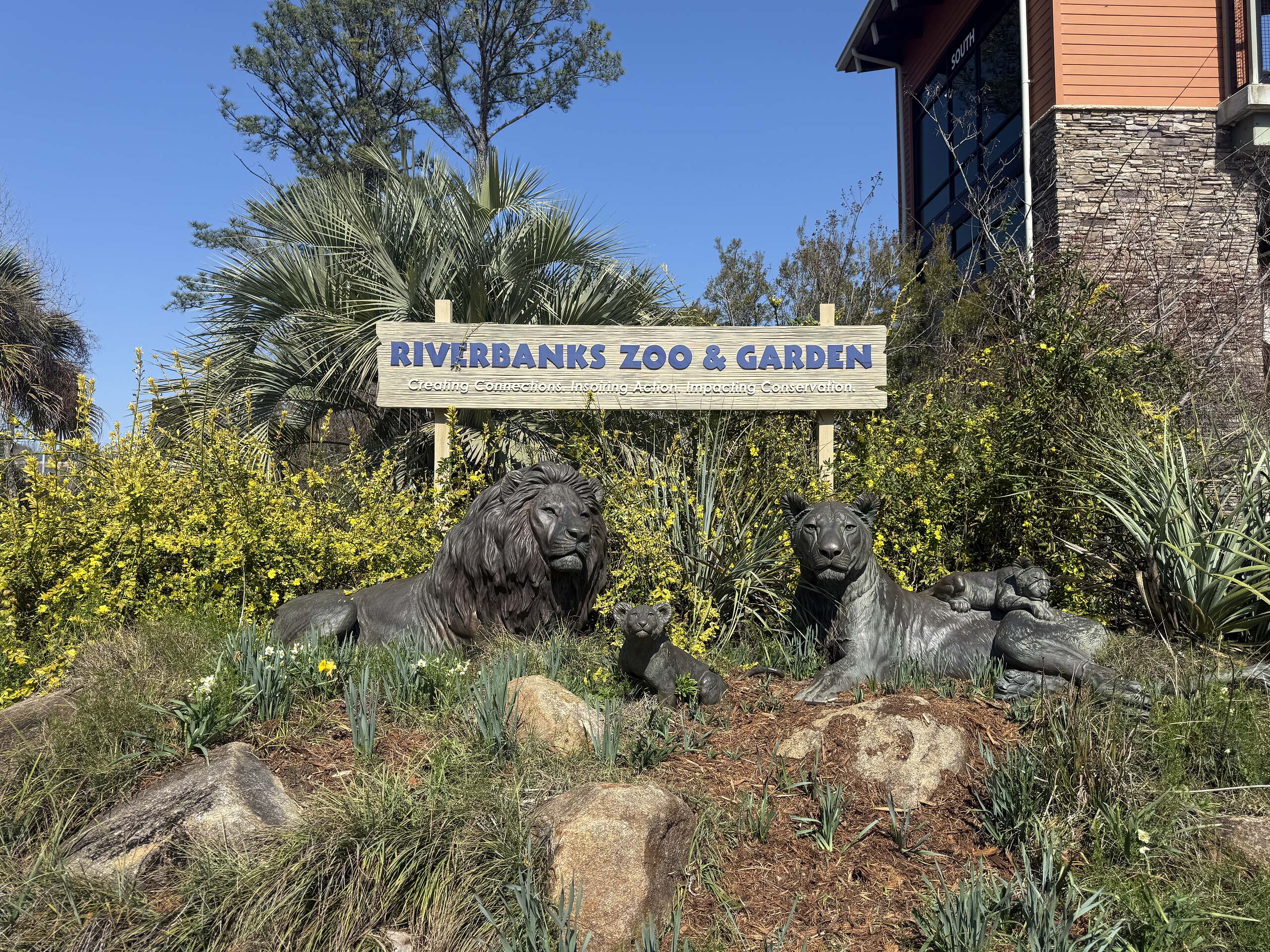
The Riverbanks Zoo and Garden regularly hosts sensory-friendly days, offering quieter environments, designated calm spaces, and staff trained to support guests with sensory sensitivities. The Zoo’s most recent Sensory-Friendly Day was scheduled for March 10, 2026, where music was turned off throughout the park to reduce stimulation, sensory bags were made available, and local partners were on-site to support families.
At the South Carolina State Museum, accessibility is built into recurring programming through its monthly Accessibility Mornings — designed specifically for individuals and families who benefit from a quieter, more sensory-friendly environment. These events offer a calmer setting with reduced stimulation, optional activities, and the ability to explore exhibits at your own pace. They also include added supports such as American Sign Language (ASL) interpretation, sensory rooms, and adaptive resources, with free admission for participants.
The EdVenture Children’s Museum offers recurring Sensory Nights, evenings designed to give families a calmer, more controlled way to experience the museum. These events feature reduced lighting, limited crowd sizes, and structured programming, along with resources for parents and caregivers. The events are free with advance registration and held at both Columbia and Myrtle Beach locations, with one upcoming Sensory Night scheduled for this Friday (April 17, 2026) from 5:30 – 7:30 p.m. EDT.
***
THE UPSTATE (GREENVILLE AND SURROUNDING AREAS)
***
In the Upstate, both structured programming and inclusive design are expanding access.
The Children’s Museum of the Upstate offers sensory-friendly events, adaptive tools and quieter visiting options.
The South Carolina Children’s Theatre incorporates sensory-friendly accommodations into performances, making live theater more accessible.
At larger venues, accessibility is also becoming part of the design. The Bon Secours Wellness Arena features a dedicated Sensory Suite located at Section 105, designed for guests who may have difficulty processing the sights and sounds of a typical arena event. The space includes sound- and light-dampening glass, soft seating, and a de-escalation area with a privacy curtain and calming sensory tools. Even during events where the suite’s view may be limited, arena staff can provide access to the space for ticketed guests who need a quieter environment.
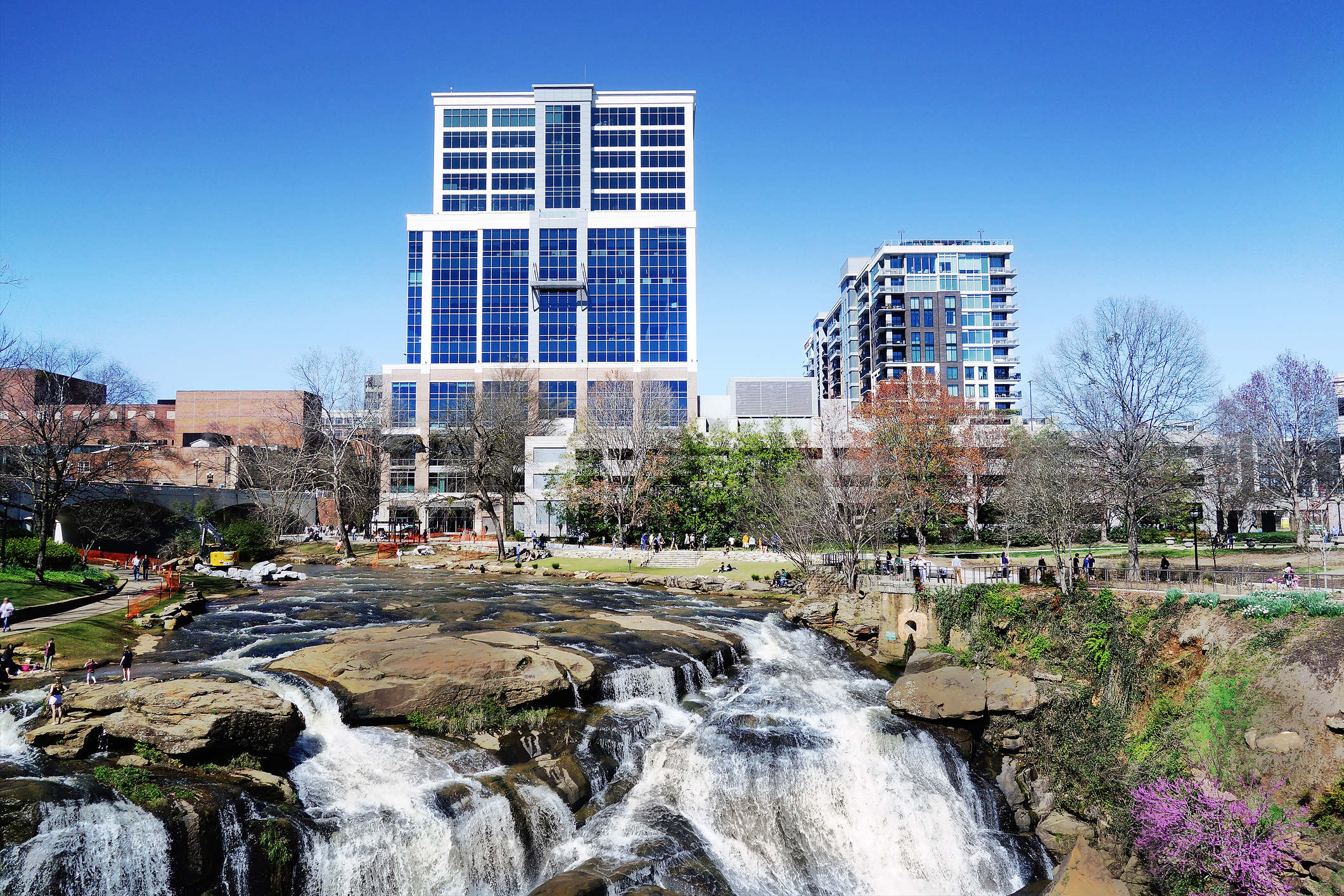
Even outside of structured programming, spaces like Falls Park on the Reedy offer naturally lower-stimulation environments, allowing families to engage at their own pace.
***
THE LOWCOUNTRY (CHARLESTON AND COASTAL AREAS)
***
In the Lowcountry, accessibility efforts often center around both structured events and everyday accommodations.
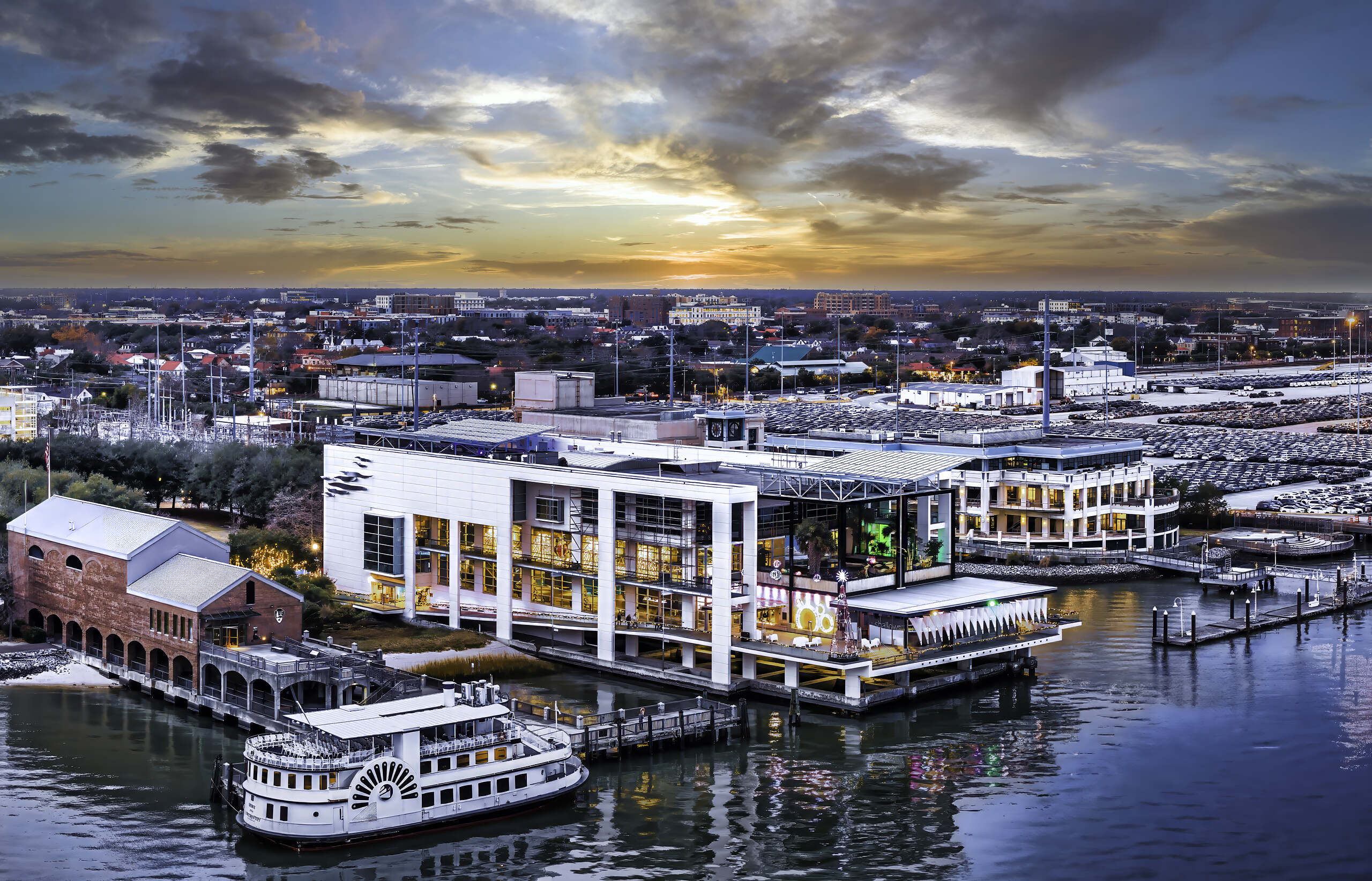
The South Carolina Aquarium has taken a more comprehensive approach through its sensory inclusion program, becoming the first organization in the state certified as sensory-inclusive through KultureCity. That certification includes staff training to better support guests with sensory sensitivities, along with practical tools designed to make visits more manageable.
Families can check out sensory bags equipped with items like noise-reducing headphones, fidget tools, and visual communication aids, as well as access sensory maps that highlight areas of higher and lower stimulation throughout the aquarium. Quiet spaces are available for guests who need a break, and staff are trained to help families navigate the environment in real time.
The Children’s Museum of the Lowcountry also offers dedicated sensory-friendly access through special early-opening events for children with special needs and their families. These sessions allow children to explore the museum free of charge in a quieter, more controlled environment — without the typical crowds and overstimulation that can come with peak hours. Registration is required, helping ensure a more manageable and predictable experience.
Outdoor destinations like Magnolia Plantation and Gardens offer naturally lower-stimulation experiences for families looking for more flexible options.
***
THE GRAND STRAND (MYRTLE BEACH AND SURROUNDING AREAS)

***
In the Myrtle Beach region, accessibility is increasingly being built into the broader visitor experience — not just through individual events, but through a coordinated, community-wide effort.
Attractions like Ripley’s Aquarium of Myrtle Beach have made intentional efforts to create more accessible experiences. Through its sensory-friendly events, the aquarium offers a quieter, more relaxed environment, along with accommodations like complimentary noise-canceling headphones and adjusted lighting to reduce overstimulation. As a Champion Autism Network (CAN) –certified organization, it has committed to providing inclusive experiences throughout the year — giving families the ability to explore the space in a way that works best for them.
But in Myrtle Beach, those efforts extend far beyond a single attraction.
Through the “The Beach is for everyBODY” sensory-friendly initiative, local businesses across the Grand Strand are encouraged to commit to inclusive practices — from staff training to better support guests with sensory sensitivities to creating more accommodating environments across hotels, restaurants, and attractions. The program, developed in partnership with organizations like the Champion Autism Network and Autism Travel Club, focuses on equipping businesses with practical tools and training to respond to real-world situations families may encounter.
That approach has helped transform the region into one of the country’s leading autism-friendly travel destinations, with hundreds of businesses participating and multiple municipalities earning autism-friendly designations.
For families, that kind of consistency matters.
Because it means accessibility isn’t limited to a single event or location — it’s something that can carry through an entire experience, from where you stay to where you eat to how you spend your day.
Natural spaces like Brookgreen Gardens continue to offer quieter, open-air environments that can be easier to navigate, rounding out a region where accessibility is increasingly being built into both structured and everyday experiences.
***
MOVING FROM ACCESS TO TRUE INCLUSION
While progress is being made, sensory-friendly options are still inconsistent — and often limited.
Many events are periodic. Some are not widely available. And in more rural areas, options can be scarce.
Even when spaces aim to be inclusive, there can be a gap between intention and execution. A “sensory-friendly” label doesn’t always guarantee a truly accessible experience — and for families, that distinction matters.
But creating more inclusive environments doesn’t always require major changes.
Often, it starts with awareness — understanding that not everyone experiences the world the same way, and that small adjustments can have a meaningful impact. Accessibility isn’t about creating separate spaces; it’s about making shared spaces more inclusive.
For families like mine, that shift can mean the difference between staying home and showing up — between managing and belonging.
And that’s where this conversation continues.
In the final installment of this series, we’ll take a closer look at what long-term inclusion looks like — not just in events or services, but in how communities, schools, and workplaces continue to evolve.
Because awareness starts the conversation.
Access advances it.
But inclusion is what sustains it.
If you know of sensory-friendly events or spaces in South Carolina that should be included, share them in the comments — we’ll continue adding to this conversation.
***
ABOUT THE AUTHOR …
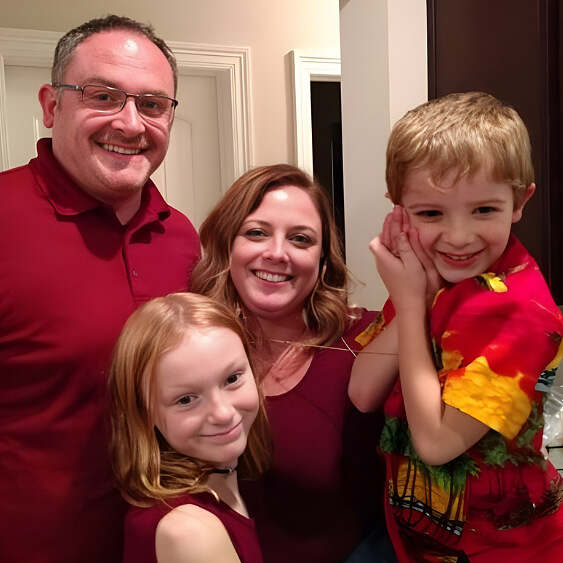
Jenn Wood is the research director at FITSNews, where she applies her background as a private investigator to complex, accountability-driven reporting. During Autism Acceptance Month, she is also writing from a more personal perspective — as the mother of a teenage son on the autism spectrum — offering insight into the realities families navigate and the importance of understanding neurodiversity in everyday life.
***
SOUND OFF…
Got something you’d like to say in response to one of our articles? Or an issue you’d like to address proactively? We have an open microphone policy! Submit your letter to the editor (or guest column) via email HERE. Got a tip for a story? CLICK HERE. Got a technical question or a glitch to report? CLICK HERE.
