
by MARK POWELL
***
If Director of National Intelligence Tulsi Gabbard ever writes her memoirs, chances are she won’t recall Wednesday, March 18, 2026, as a good day. Because it was anything but that.
It was supposed to have been routine annual appearances before the Senate Intelligence Committee in the morning and the House Intelligence Committee in the afternoon, reporting on threats and challenges facing the United States around the world. But the timing couldn’t have been worse for Gabbard.
For starters, the U.S. is involved in a high-stakes shooting war with Iran right now, a conflict nobody had on their Bingo card on January 1. Or even six weeks ago, for that matter.
Even worse, her testimony came just one day after National Counterterrorism Center Director Joe Kent resigned, insisting he couldn’t “in good conscience support the ongoing war in Iran.” The message between the lines: President Donald Trump had no justifiable reason for initiating the fighting on February 28.

***
Amid that backdrop, the trinity of U.S. intelligence leaders — Gabbard, CIA Director John Ratcliffe, and FBI Director Kash Patel — faced grueling questioning on Wednesday. And Gabbard clearly got the worst of it.
Democrats, especially Georgia Senator John Ossoff, demanded to know if she thought Iran had posed an “imminent threat” to the U.S before the Trump administration inaugurated the conflict. He pressed the point, demanding to know the director’s thinking.
Gabbard repeatedly declined to answer. In a classic example of Washington passing the buck, the best she could muster was, “the only person who can determine what is and is not an imminent threat is the president.”
It all sounded hauntingly familiar, harkening back through the mists of time to a moment when another legislator demanded an accounting of another president’s justification for taking the United States to war.
As the 19th Century neared its mid-point, the nation was gripped by the eloquent phrase Manifest Destiny. It was the guiding principle of expansionists who wanted the country to cover the complete span from the Atlantic to the Pacific. And they drooled at one bright, shiny prospect in particular.
Texas.
***
***
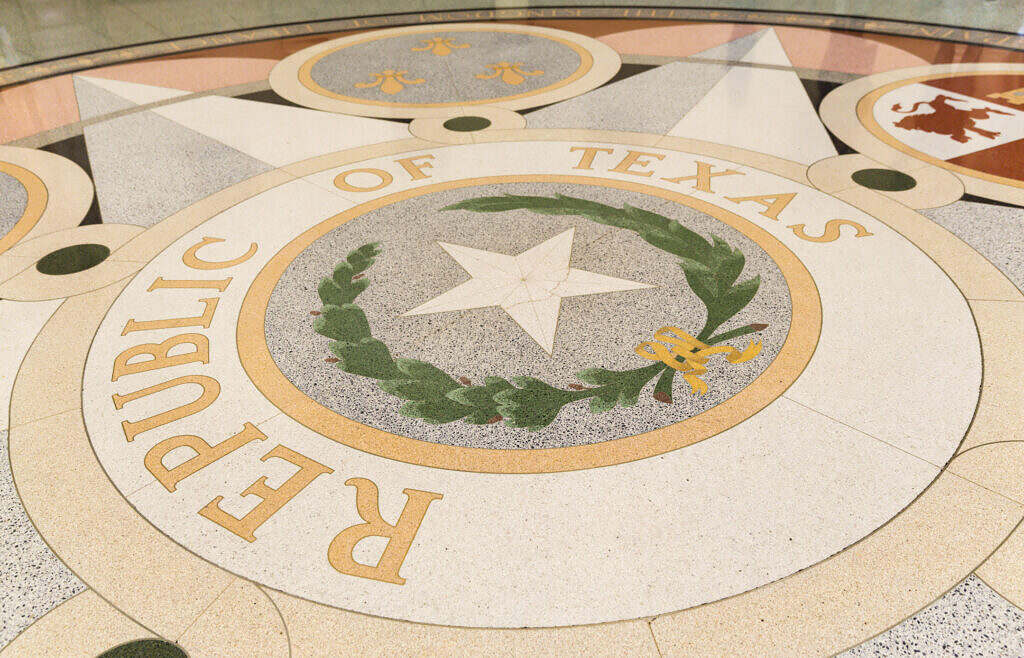
More specifically, the Republic of Texas. Because the future Lone Star state was an independent nation at the time – or at least it was in Washington’s eyes. Mexico City, from whose control it had broken away, didn’t see it that way, though.
Encompassing broad swaths of land stretching well beyond the current state’s boundaries – reaching into what’s now Wyoming and encompassing a sizable chunk of the Southwest – Texas was a glittering prize, a beacon of opportunity.
Southerners eagerly wanted to acquire Texas. They foresaw an expansion of cotton raising, the backbone of Dixie’s economy, as well as the creation of new slave states necessary to maintain the delicate balance of power in Congress between North and South. The North, where the abolition movement was slowly growing and which wanted to make its financial and emerging industrial sectors the driving force in the national economy, stridently opposed it.
This was an interesting role reversal from when the North had advocated for the War of 1812 and the South had resisted it.
Despite Northern opposition, the Republic of Texas was admitted to the Union as the state of Texas on December 29, 1845, with the formal transfer taking place on February 19, 1846.
The exact border between the two lands was fuzzy, though. Washington claimed it was the Rio Grande. Mexico argued it was actually the Nueces River farther north. President James K. Polk (a North Carolina native, adopted Tennessean and devote southern expansionist) sent U.S. troops to the Rio Grande to enforce the American border claim – a move northerners warned would only invite trouble.
And trouble wasn’t long in coming…
***

RELATED | DOGE SC’S VANISHING ACT
***
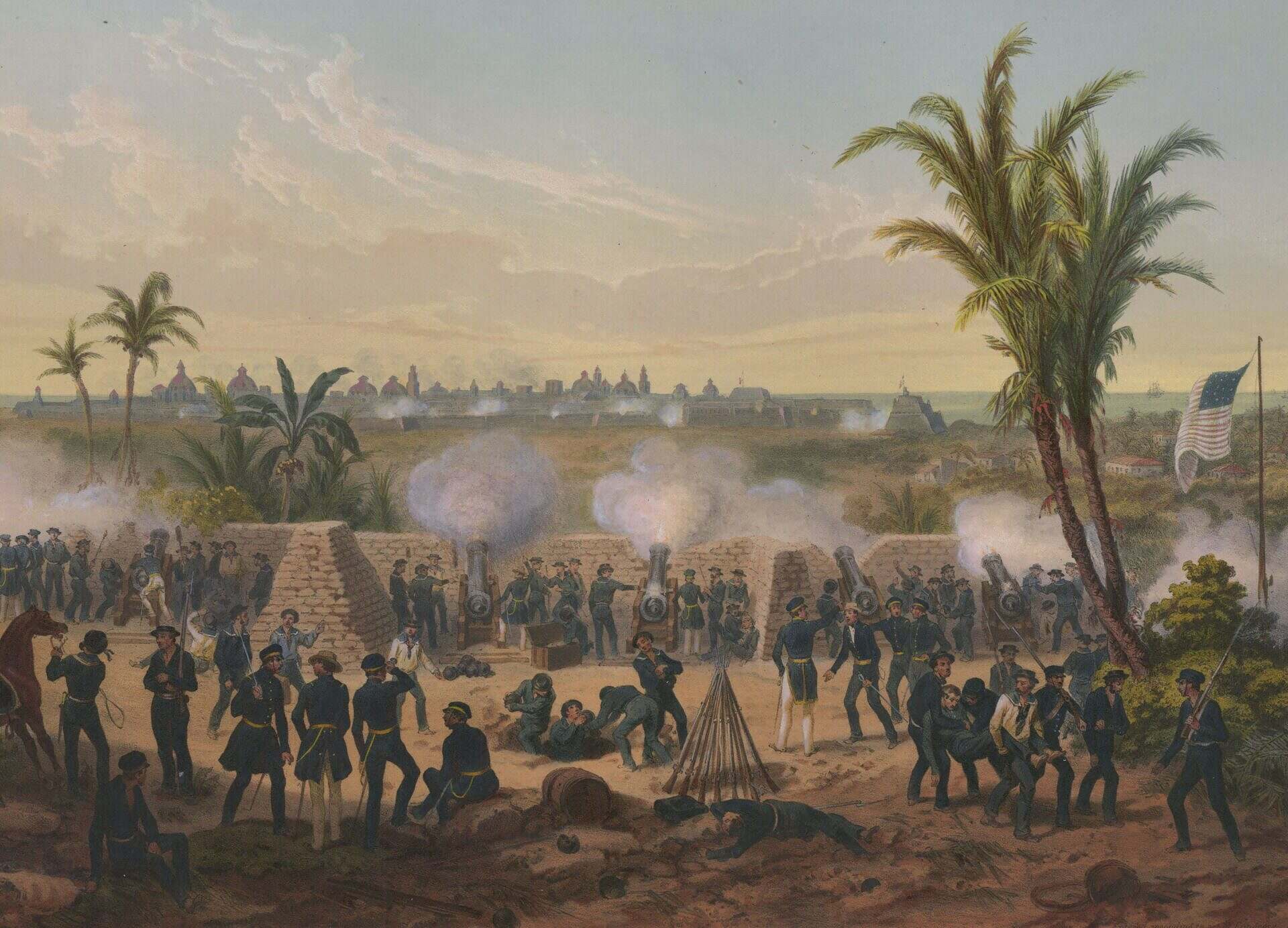
Mexico responded by putting its army on a war footing. On April 25, 1846, some 2,000 Mexican horsemen attacked a seventy-man U.S. reconnaissance force inside the disputed territory between the two rivers. When the shooting ended, 11 Americans were dead, 52 were captured, and Polk had grounds for war, which Congress promptly declared on May 13, 1846.
As American armed forces mobilized for the country’s first war in 34 years, Northerners fretted. Then fumed. In their eyes, something wasn’t right. Had the blood been shed on U.S. soil or in Mexican territory?
In December 1847, a tall, lanky freshman congressman rose to speak in the United States House of Representatives. The little-known lawmaker introduced eight resolutions, each demanding Polk answer a specific question about the incident. Together, they were designed to have the president pinpoint the precise spot where the fighting had started. The answers, the congressman contended, would reveal whether U.S. soldiers had been legitimately attacked on their own turf, as Polk claimed, or had provoked the Mexicans into attacking them, as some people believed.
Although the resolutions were never officially debated on the House floor, they were hotly argued in the capital’s salons and taverns. Both of South Carolina’s senators and all seven of its congressmen firmly opposed them.
The “Spot Resolutions,” as they were called, died a quiet legislative death. But they did provide an impetus to the anti-war movement. And they also helped put their author, representative Abraham Lincoln, on the political map. Though ridiculed by rivals at the time as “Spotty Lincoln,” he took the national road of fame the resolutions had launched him on all the way to the White House.
Whether it was putting a presidential finger on an exact location in 1846 or identifying the exact nature of an Iranian “imminent threat” in 2026, one thing remains consistent: presidential accountability is sometimes the first casualty of war.
***
ABOUT THE AUTHOR…

J. Mark Powell is an award-winning former TV journalist, government communications veteran, and a political consultant. He is also an author and an avid Civil War enthusiast. Got a tip or a story idea for Mark? Email him at mark@fitsnews.com.
***
SOUND OFF…
Got something you’d like to say in response to one of our articles? Or an issue you’d like to address proactively? We have an open microphone policy! Submit your letter to the editor (or guest column) via email HERE. Got a tip for a story? CLICK HERE. Got a technical question or a glitch to report? CLICK HERE.
