

by JENN WOOD
***
After years of warnings about its worsening finances — and another shakeup at the top of its finance department — Clemson University is offering hundreds of faculty and staff members money to leave.
The university announced Thursday (October 22, 2026) that 452 employees would be offered a limited voluntary separation program (VSP). Those who accept the offer will receive a lump-sum payment equal to nine months of their base pay, as defined in the program documents.
Clemson framed the offer as part of a broader effort to rethink how the university operates and invests its resources.
“The VSP is one of the tools supporting our broader transformative work,” the school’s announcement stated.
That “transformative work” is taking place against a deteriorating financial backdrop FITSNews has been documenting for more than a year: rising debt, expenses growing faster than revenues and trustees increasingly frustrated by the administration’s inability to bring spending under control.
Now, eligible employees are being asked to consider whether they want to be part of Clemson’s future — or take a payout and leave it behind.

***
WHO GETS AN OFFER?
According to Clemson, participation is entirely voluntary. The program is limited to current employees in full-time equivalent positions who meet its requirements and are not otherwise excluded by the plan.
Generally, participants in the South Carolina Retirement System or Police Officers Retirement System must have been eligible to retire with full benefits as of June 30, 2026. Employees participating in the Optional Retirement Program must have been at least 59-and-a-half years old on that date.
The university said eligible employees would receive an email Thursday afternoon (October 22, 2026) outlining their offers, important dates and next steps. Additional eligibility rules and the program timeline are available through its VSP website.
Clemson also said college and division leaders helped plan the program to maintain continuity in academic programs and daily operations.
The announcement did not identify a projected participation rate, total payout cost or expected annual savings. Nor did it explain how many vacated positions would be eliminated, reorganized or filled again.
Those details will matter in determining how much the program actually does to address Clemson’s spending problems.
***
THE WARNINGS CAME FIRST…

***
As FITSNews previously reported, trustees received another blunt assessment of the university’s finances earlier this year.
Then-chief financial officer Rick Petillo warned that expenses continued to grow faster than revenues. At the time of our May report, budgeted operating expenses for fiscal year 2027 were 8% higher than actual expenses for the then-current fiscal year.
Trustee Joe Swann proposed a 10% expense reduction goal, while fellow trustee Nikki Haley questioned why the board kept hearing the same warnings without seeing a lasting solution.
“How many more years do we do this?” Haley asked.
The financial report cited in our May coverage put Clemson’s debt at approximately $1.15 billion and its total long-term liabilities at approximately $2.65 billion. Those were the figures reported at the time, rather than a new accounting of the university’s obligations accompanying Thursday’s announcement.
The voluntary separation offer now gives employees a concrete example of the operational changes university leaders have been discussing. Whether it produces the lasting spending reductions trustees demanded remains to be seen.
***

RELATED | Code Orange: Clemson’s DEEPENING Financial Crisis
***
NEW LEADERS, FAMILIAR PROBLEMS
The program also comes less than three months into president Benjamin C. Ayers’ tenure.
As FITSNews reported in July, Clemson selected the former University of Georgia provost after its first choice, Michigan State University (MSU) president Kevin Guskiewicz, opted to remain at MSU.
Ayers took office on August 1, 2026. His background included leading Georgia’s Terry College of Business and its school of accounting — experience directly relevant to the financial problems awaiting him in Tigertown.
The turnover continued in September, when Clemson announced Petillo’s departure for Vanderbilt, effective October 2. Kelly Collins, the university’s associate vice president for financial operations, was named his interim replacement.
That made Collins the third person overseeing Clemson’s finances in roughly twenty months, following Petillo and former executive vice president Tony Wagner.
In announcing that transition, Ayers pointed to Clemson’s strong credit ratings and positive outlook as evidence of its financial strength. He also said the university had made progress in financial planning and allocating resources.
Thursday’s announcement did not attach a savings target to the separation program. Until Clemson provides those numbers — and explains what happens to the positions employees leave behind — the financial impact of its latest initiative will remain unclear.
FITSNews will continue following the university’s finances and the effects of its restructuring on employees, students and South Carolina taxpayers.
***
ABOUT THE AUTHOR …
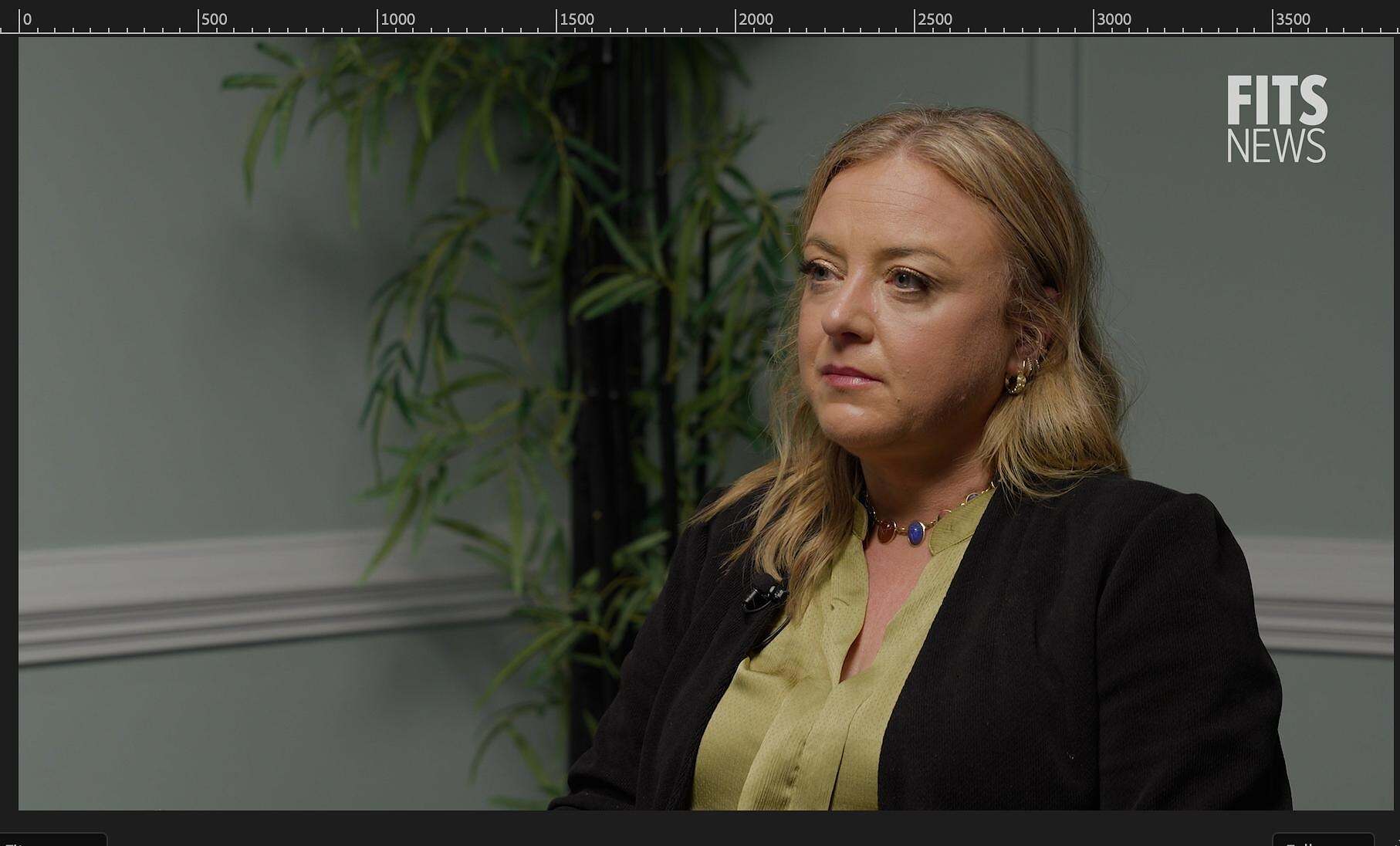
As a private investigator turned journalist, Jenn Wood brings a unique skill set to FITSNews as its research director. Known for her meticulous sourcing and victim-centered approach, she helps shape the newsroom’s most complex investigative stories while producing the FITSFiles and Cheer Incorporated podcasts. Jenn lives in South Carolina with her family, where her work continues to spotlight truth, accountability, and justice.
***
SOUND OFF…
Got something you’d like to say in response to one of our articles? Or an issue you’d like to address proactively? We have an open microphone policy! Submit your letter to the editor (or guest column) via email HERE. Got a tip for a story? CLICK HERE. Got a technical question or a glitch to report? CLICK HERE.
