
by WILL FOLKS
***
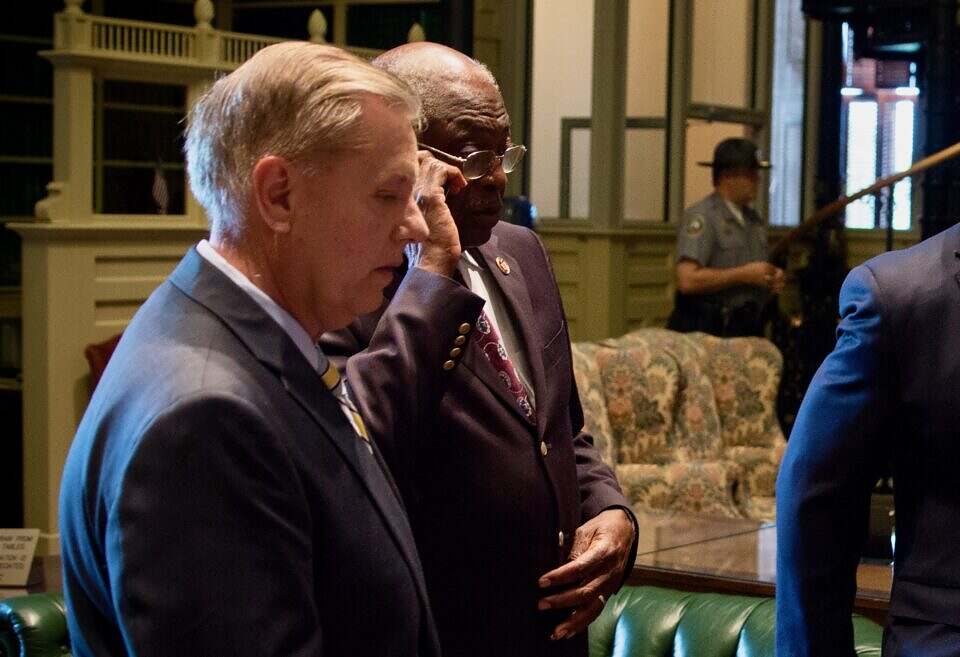
Three weeks ago, guest columnist Josh Bazzle drew our audience’s attention to an aborted federal investigation into the late U.S. senator Lindsey Graham.
According to ProPublica – the nonprofit foundation which first broke the news – the anti-corruption unit of the Federal Bureau of Investigation (FBI) was hot on the trail of allegations involving Martin Kao, CEO of defense contractor Navatek, whom they allege illegally bribed U.S. senator Susan Collins of Maine over government contracts.
The inquiry wasn’t confined to Collins, though. By late 2024, federal investigators had “come to believe there was enough evidence to warrant a broader investigation into bribery of (other) members of Congress,” per ProPublica‘s report.
Part of that broader investigation “centered on South Carolina,” the nonprofit noted – and more specifically on Graham and his connections to Kao and Navatek.
According to ProPublica, this “sweeping bribery probe” was stopped dead in its tracks soon after U.S. president Donald Trump took office in 2025 – even after Kao confessed to his involvement in the scheme.
***
***
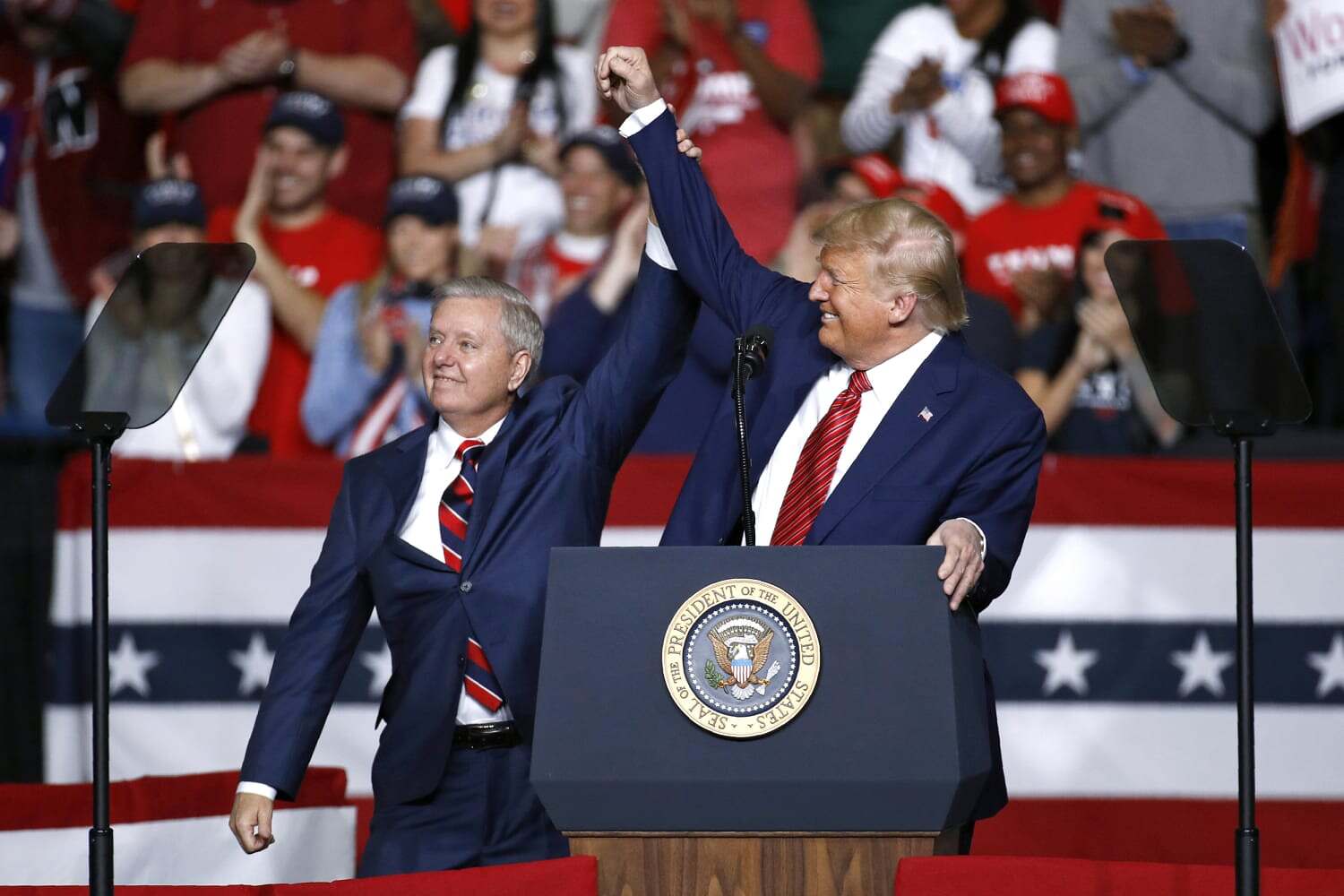
This week, ProPublica published a jaw-dropping follow-up installment on its original report – one which delved even deeper into the allegations against Graham. This bombshell follow-up also raised additional allegations against long-serving U.S. congressman Jim Clyburn, one of the most powerful Democrats in Washington, D.C., and veteran congressman Joe Wilson, a key member of the U.S. House armed services committee.
According to the report, Graham met with Kao and his corporate lobbyists in March of 2020 at Charlie Palmer Steak – a ritzy restaurant located just a block from the U.S. Capitol grounds. This meeting with the senior senator from South Carolina did not come cheap.
“(Graham) had required them to commit to $40,000 in campaign contributions for a 45-minute meeting,” the ProPublica report noted.
Not only that, the checks were allegedly counted by a Graham staffer before the meeting took place.
“A fundraiser working for Graham appeared first and accepted an envelope from Kao containing checks made out to Graham’s campaign,” ProPublica reported, based on Kao’s statements to federal investigators. “Kao did not know the fundraiser’s name; in an FBI debrief, he simply referred to the person as the ‘money man.’ After that person departed, Graham entered.”

***
The entry fee appeared to have been worth paying…
“Graham agreed to steer a $10 million government contract Navatek’s way in his native South Carolina, Kao later recounted to the FBI,” per the report. “In exchange, he said, Graham asked Kao to pledge a total of $100,000 to his reelection campaign.”
Graham, according to Kao, was unambiguous in prescribing the terms of this quid pro quo.
“This is how much I want, and how much I am going to give you,” he allegedly told the contractor, per records from the FBI debrief.
Three months after the Washington, D.C. meeting, in July 2020, Navatek received the contract in question – one of several deals the company and its successors undertook in cooperation with the University of South Carolina.
Kao also reportedly told federal agents he entered into “cash-for-contracts deals” with Clyburn and Wilson – ostensibly to ensure that funding for his company which was earmarked in the Senate budget was “mirrored” in the House.
***
***
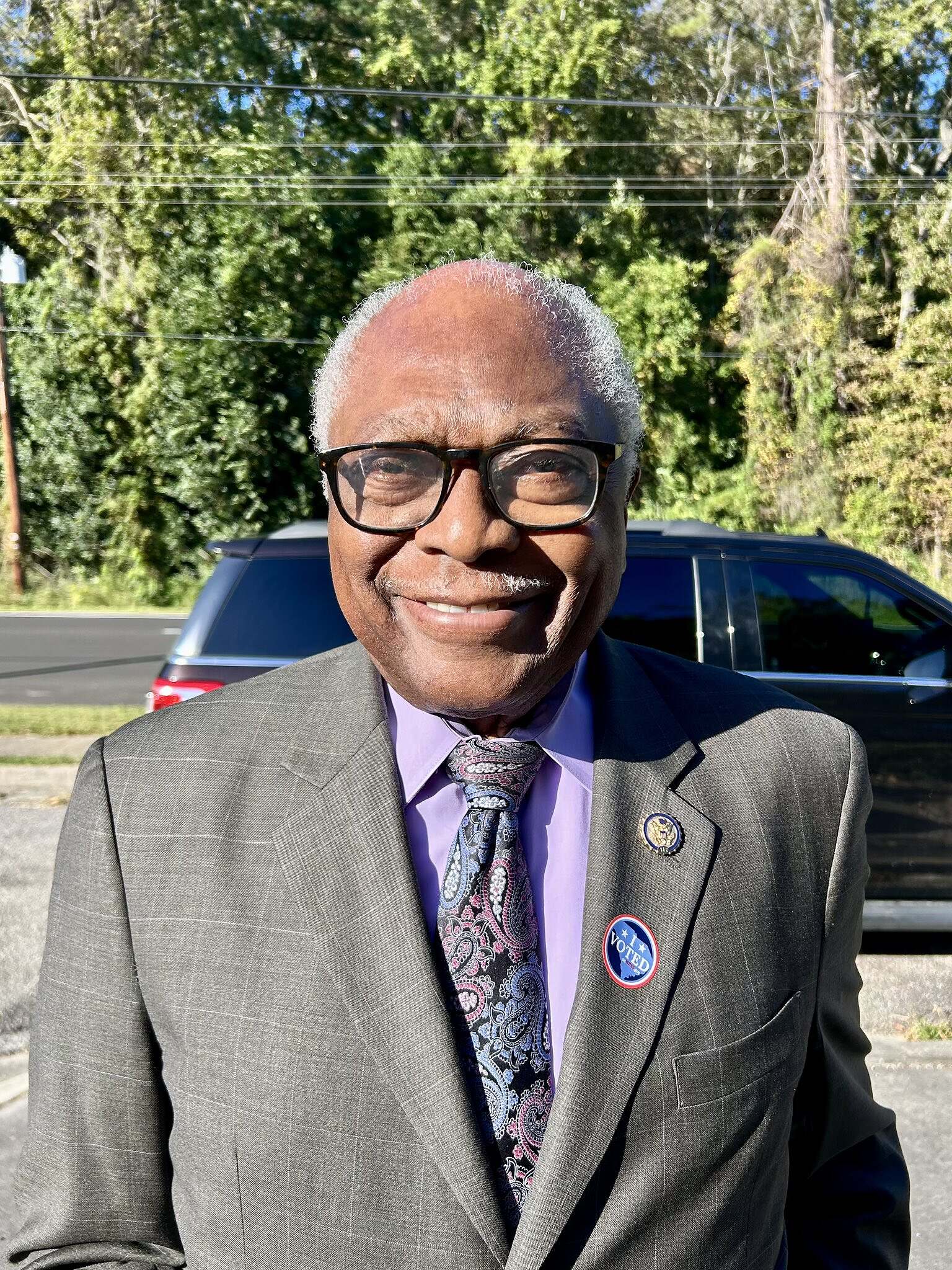
“Over a meal, Clyburn asked Kao how much he was donating to Graham and then asked for the same amount, $100,000,” according to ProPublica.
FBI investigators reportedly tracked $20,000 in contributions made by Kao and his family members to Clyburn – as well as a $10,000 gift to S.C. State University (SCSU).
A “similar bargain” was allegedly struck with Wilson, whom Kao said allegedly asked for “however much Clyburn was getting in campaign contributions in exchange for his support.” Like Graham, Wilson was accused of requiring a campaign donation to facilitate his meeting with the contractor.
While Graham, Clyburn and Wilson were never designated as subjects of a federal inquiry, “agents were actively investigating their interactions with Kao,” per ProPublica. Furthermore, these agents “indicated to their superiors that the lawmakers could become subjects in the future.” An investigatory memo dated December 9, 2024 indicated the FBI had “uncovered a lengthy history” of donations to powerful politicians “in exchange for government contracts.”
“They had Graham, Clyburn and Wilson in their sights,” ProPublica noted, adding that agents were preparing to dramatically escalate their inquiry using undercover assets and other investigatory tools. All that came to a screeching halt when Trump took office, though. Within months, “the corruption investigation, just launched, suddenly went dark.” One of the lead agents on the case was fired in October 2025, while the other was allegedly “forced out” in early 2026.
***
RELATED | THE LINDSEY GRAHAM INVESTIGATION THAT NEVER HAPPENED
***
Graham died suddenly in July of this year. His sister, Darline Graham Nordone, was tapped as his interim replacement and – thanks to Trump – is the Republican nominee for the U.S. Senate seat he held. Most of the same staffers who worked for the late senator hold their same posts within his sister’s office. Clyburn is seeking his 18th term in the U.S. House this fall, while Wilson is seeking his 15th term.
Spokespersons for all three offices denied wrongdoing when questioned by ProPublica – insisting their bosses followed all applicable federal rules regarding contributions. One of them even had the audacity to suggest that insisting on campaign contributions in exchange for being granted a meeting with a politician was standard operating procedure in Washington, D.C.
While credible allegations of access/influence peddling by multiple leading South Carolina elected officials are indeed troubling, the real scandal as far as we’re concerned is the Trump administration’s scuttling of this investigation – at the precise moment it was bearing fruit.
Trump based his reelection campaign in no small part on ending the politicization – and the weaponization – of justice in America. On the first day of his second term, he chided the previous administration for undertaking prosecutions which appeared “oriented more toward inflicting political pain than toward pursuing actual justice or legitimate governmental objectives.”
While Trump was correct to call out politically motivated prosecutions, it is every bit as reprehensible to shut down prosecutions – or scuttle investigations – due to political motivations. In fact, doing so would seem to be every bit as egregious and potentially criminal as the conduct these politicians have been accused of engaging in.
***
ABOUT THE AUTHOR…
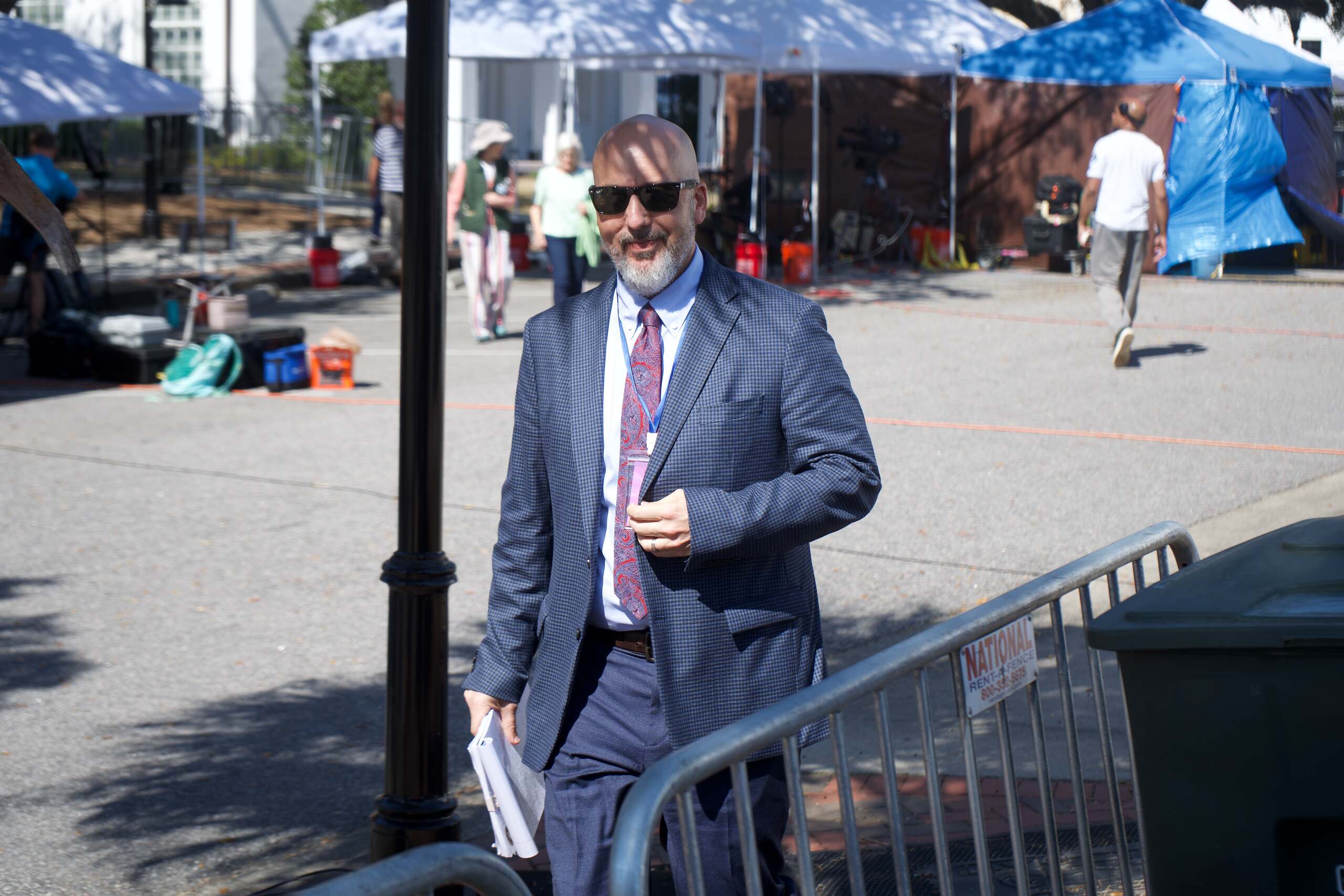
Will Folks is the founding editor of the news outlet you are currently reading. Prior to founding FITSNews, he served as press secretary to the governor of South Carolina. He lives in the Midlands region of the state with his wife and eight children.
***
SOUND OFF…
Got something you’d like to say in response to one of our articles? Or an issue you’d like to address proactively? We have an open microphone policy! Submit your letter to the editor (or guest column) via email HERE. Got a tip for a story? CLICK HERE. Got a technical question or a glitch to report? CLICK HERE.

1 comment
Wow!