
by ERIN PARROTT
***
South Carolina public health officials are warning residents to protect themselves from mosquito bites following a confirmed West Nile virus outbreak in the Pee Dee region of the state – with evidence of the mosquito-borne virus subsequently surfacing in other parts of the state.
The S.C. Department of Public Health (SCDPH) declared the outbreak earlier this month after two human cases were diagnosed within a similar time frame and geographic area.
According to the agency, the cases indicated “sustained West Nile virus activity” in the region – and met the definition of an outbreak.
While SCDPH reports human cases at the regional level to protect patient privacy, reports of two cases were confirmed in the Myrtle Beach area – with at least one patient seen at Grand Strand Medical Center. The outbreak comes amid additional evidence that the virus is circulating in South Carolina’s mosquito population.
A mosquito sample collected in Richland County, S.C. also tested positive for West Nile virus, according to the state’s public radio network.
More recently, Georgetown County and SCDPH confirmed another West Nile-positive mosquito sample during routine testing on August 13, 2026. In response, county mosquito control officials increased targeted treatment efforts, including additional truck spraying in affected areas.

***
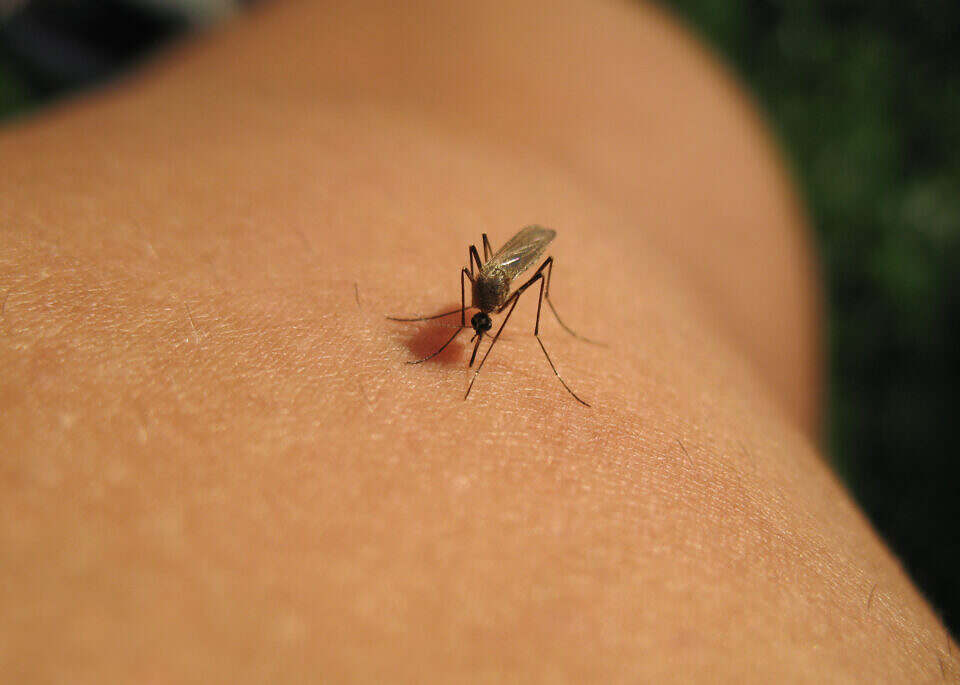
West Nile virus is transmitted to humans through the bite of an infected mosquito and cannot be spread directly from person to person, according to SCDPH. For most people who contract the virus, the infection goes unnoticed.
“Most people infected with West Nile virus have no symptoms,” state epidemiologist Dr. Abdoulaye Diedhiou noted. “The risk of serious illness is low, with less than one percent of people infected developing encephalitis, a potentially fatal swelling of the brain.”
Still, Diedhiou urged residents to take the outbreak seriously and reduce their exposure to mosquitoes.
Approximately one in five infected people develops symptoms, typically between two and 14 days after being bitten. Symptoms can include fever, headaches, joint and muscle pain, nausea, vomiting, sensitivity to light, inflammation of the eyelids and, in some cases, a rash. In rare cases, the disease can become significantly more serious.
Dr. Temujin Chavez, an infectious disease physician at MUSC Health Florence Medical Center, said severe cases can become “neuroinvasive,” affecting the nervous system and potentially causing encephalitis, meningitis, seizures or, in rare instances, paralysis.
Chavez said people 65 and older and those with weakened immune systems face a greater risk of severe illness. He also warned that South Carolina could see additional infections before mosquito season subsides.
“There will probably be several more cases,” Chavez told MUSC. He noted West Nile infections are generally seasonal, with cases most commonly occurring from July through September.
Nationally, West Nile remains the leading cause of mosquito-borne disease in the continental United States, according to the U.S. Centers for Disease Control and Prevention (CDC). Federal surveillance data are subject to reporting delays and mild infections are particularly likely to go unreported.
***
RELATED | RABID ANIMAL UPDATE
***
PROTECTING AGAINST WEST NILE
SCDPH is encouraging residents – both in the Pee Dee and elsewhere in South Carolina – to take precautions against mosquito bites.
Those measures include using insect repellents containing DEET, picaridin, oil of lemon eucalyptus, IR3535 or 2-undecanone, wearing clothing that limits exposed skin and making sure windows and doors have tight-fitting screens.
Residents should also eliminate sources of standing water around their homes, including water collected in flowerpots, tires, gutters, buckets and pet bowls.
Mosquitoes can bite during the day or night, although activity varies by species. SCDPH said early mornings and late afternoons are peak times for some day-active mosquitoes, while other species are more active around dawn and dusk.
SCDPH works with the CDC to monitor mosquitoes and mosquito-borne illnesses, but the agency does not conduct mosquito control itself. Spraying and other mosquito-control programs are handled by local governments.
State officials are encouraging local governments to review their mosquito-control efforts and policies aimed at eliminating standing water and mosquito breeding grounds.
SCDPH encourages anyone who develops a fever or other symptoms after a mosquito bite to contact a healthcare provider.
***
ABOUT THE AUTHOR…

Erin Parrott is a Greenville, S.C. native who graduated from the University of South Carolina in 2025 with a bachelor degree in broadcast journalism. Got feedback or a tip for Erin? Email her here.
***
SOUND OFF…
Got something you’d like to say in response to one of our articles? Or an issue you’d like to address proactively? We have an open microphone policy! Submit your letter to the editor (or guest column) via email HERE. Got a tip for a story? CLICK HERE. Got a technical question or a glitch to report? CLICK HERE.

2 comments
Several confirmed cases of west Nile in Beaufort county mosquitos recently. Not sure why that wasn’t mentioned.
One of the people who has come down with West Nile has been in the ICU for 29 days on a ventilator.