
by MARK POWELL
***
At 2:20 p.m. EST on Tuesday afternoon (November 17, 2026), television and radio stations across the country will carry a simple message. A familiar, slightly annoying tone will sound, followed by these words, “this is a nationwide test of the Emergency Alert System, issued by the Federal Emergency Management Agency… this is only a test.”
Such broadcast drills are routine. This one was announced back in September, in fact. But coming as it does at this particular moment in time – amid numerous unexplained service disruptions impacting major companies in critical industries – it will tap directly into an anxious undercurrent a growing number of Americans are feeling.
“Something is clearly going on,” a senior tech worker at a Fortune 500 company told us. “The question is, ‘When will we find out the truth about what’s really happening?’”
Frequent FITSNews readers will recall our recent report on a rash of preparedness warnings emanating from several western governments. The United Kingdom, in particular, urged its citizens to get ready for service disruptions. Little Luxembourg even went so far as to urge its people to keep a 72-hour supply of necessities on hand, just in case.
At the time, it seemed like a curiosity. Then, last week, things took a more ominous turn. Last Thursday (November 12, 2026), a major outage suspended vital email and online collaboration services for Microsoft 365, Outlook, Teams, and Copilot. The outage left many businesses, university services, and even federal government offices frozen in their tracks. Microsoft insisted the problem was technical, not the result of a cyberattack.

***
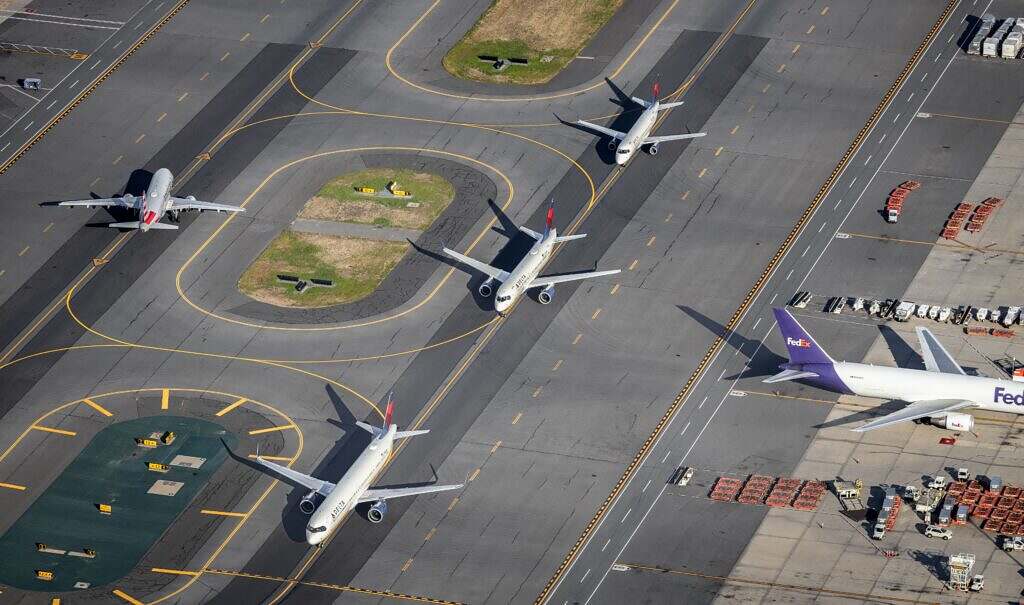
Last Friday (November 13, 2026), the Federal Aviation Administration (FAA) imposed an immediate nationwide ban on flights taking off due to what it deemed “extraordinary circumstances.” For four hours, hundreds of thousands of travelers and flight personnel were left in limbo until the green light was given again. It took all weekend to untangle the resulting massive scheduling snarl. Once again, yet another technical glitch was blamed.
The headaches kept coming this week. On Monday (November 16, 2026), Chase reported a software bug that interrupted some Zelle transactions. Customers also reported spotty issues with Bank of America, U.S. Bank, Wells Fargo, and other banks.
Amazon Web Services, which operates one of the world’s largest concentrations of data centers in Northern Virginia, experienced several hours of sign-up, authentication, and connectivity problems. Then, United Airlines flights were suddenly grounded due to what the carrier referred to as “a widespread system outage.” Making matters worse, American Airlines suddenly began experiencing similar problems. At last word, a total of 192 flights and counting had been impacted by the interruptions. Once again, “technology problems” were blamed.
“These aren’t minor hiccups happening to mom-and-pop companies,” a former television network news producer told us. “They’re major disruptions happening to major corporations, potentially costing them millions of dollars. So many outages hitting almost simultaneously is a hell of a coincidence. And remember what the CIA used to say during the Cold War: ‘There is no such thing as a coincidence.’”
***
RELATED | AIR TRAFFIC GROUNDING SPARKS CYBERATTACK CONCERNS
***
No one in the federal government would speak officially regarding the recent spate of outages, but several of our sources referred to possible “probing actions” initiated by a hostile foreign actor aimed at gauging American response capabilities.
“The more these things keep happening, the more afraid people will be about when the next shoe will drop,” a Capitol Hill senior staffer explained.
A retired military officer we spoke with concurred.
“Americans are getting jittery about all this; you can feel it,” he said. “Remember, one of the federal government’s constitutionally mandated responsibilities is ensuring domestic tranquility. So it’s no wonder Washington is staying mostly mum, except to blame it on glitches and software fouls-ups.”
With nothing more than “technical problems are to blame” given as an explanation, unfounded speculation is morphing into fear-mongering. For example, social media has been buzzing recently with claims that a 90-day blackout in the United States is imminent. That led Homeland Security secretary Markwayne Mullin to reassure Americans there’s no need to stock up on food supplies and other necessities.
Still, skepticism lingers in many quarters – fueled by the fact it’s been nearly a week since U.S. president Donald Trump was last seen publicly. At the very least, the string of recent incidents is a fresh reminder of the fragility – and potential vulnerability – of our online interconnectivity, and how even a minor interruption can cause major problems with serious consequences.
Meaning it’s likely more people will be paying closer attention to Tuesday’s scheduled Emergency Alert System test than usual…
***
ABOUT THE AUTHOR…

J. Mark Powell is an award-winning former TV journalist, government communications veteran, and a political consultant. He is also an author and an avid Civil War enthusiast. Got a tip or a story idea for Mark? Email him at mark@fitsnews.com.
***
SOUND OFF…
Got something you’d like to say in response to one of our articles? Or an issue you’d like to address proactively? We have an open microphone policy! Submit your letter to the editor (or guest column) via email HERE. Got a tip for a story? CLICK HERE. Got a technical question or a glitch to report? CLICK HERE.
